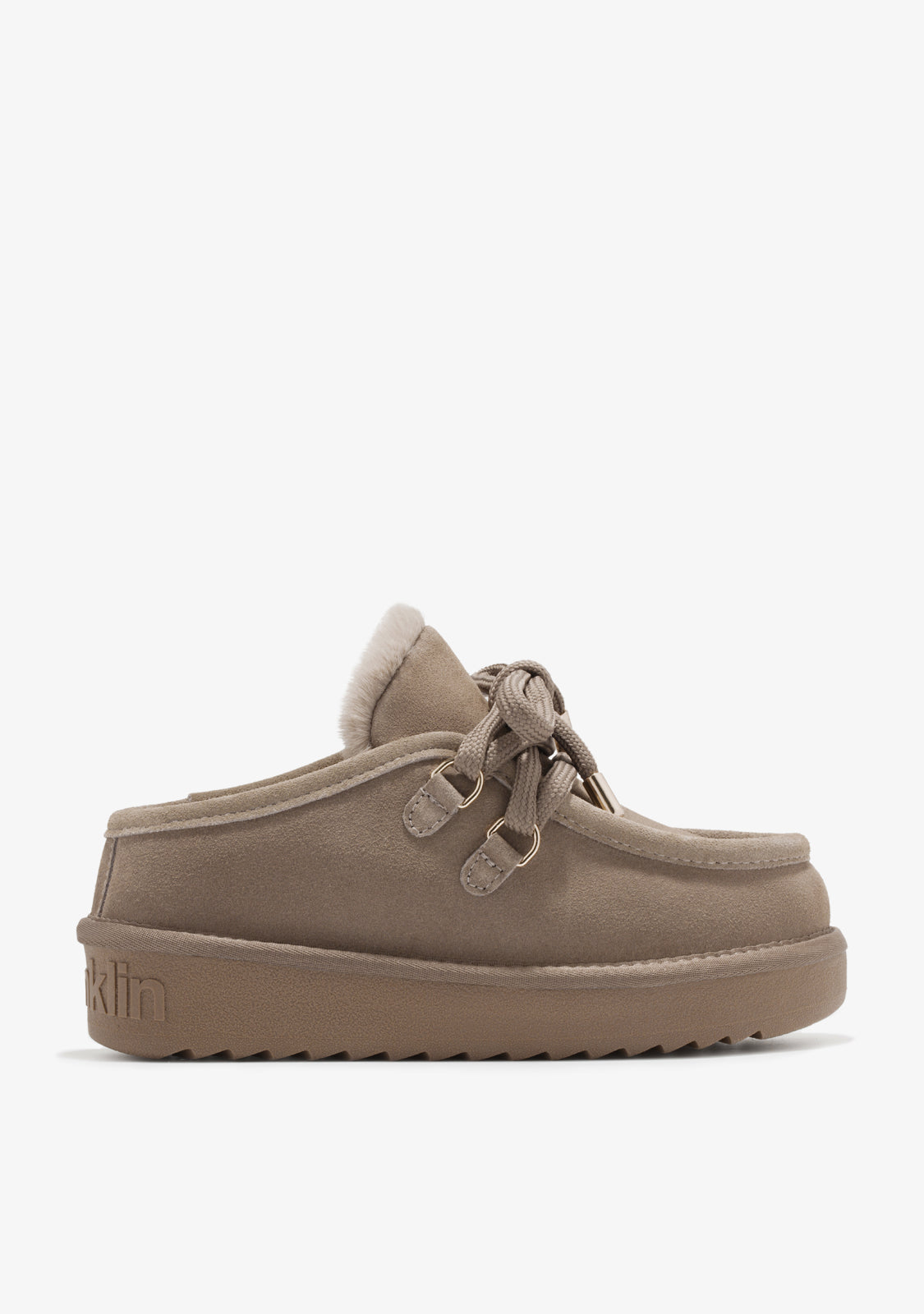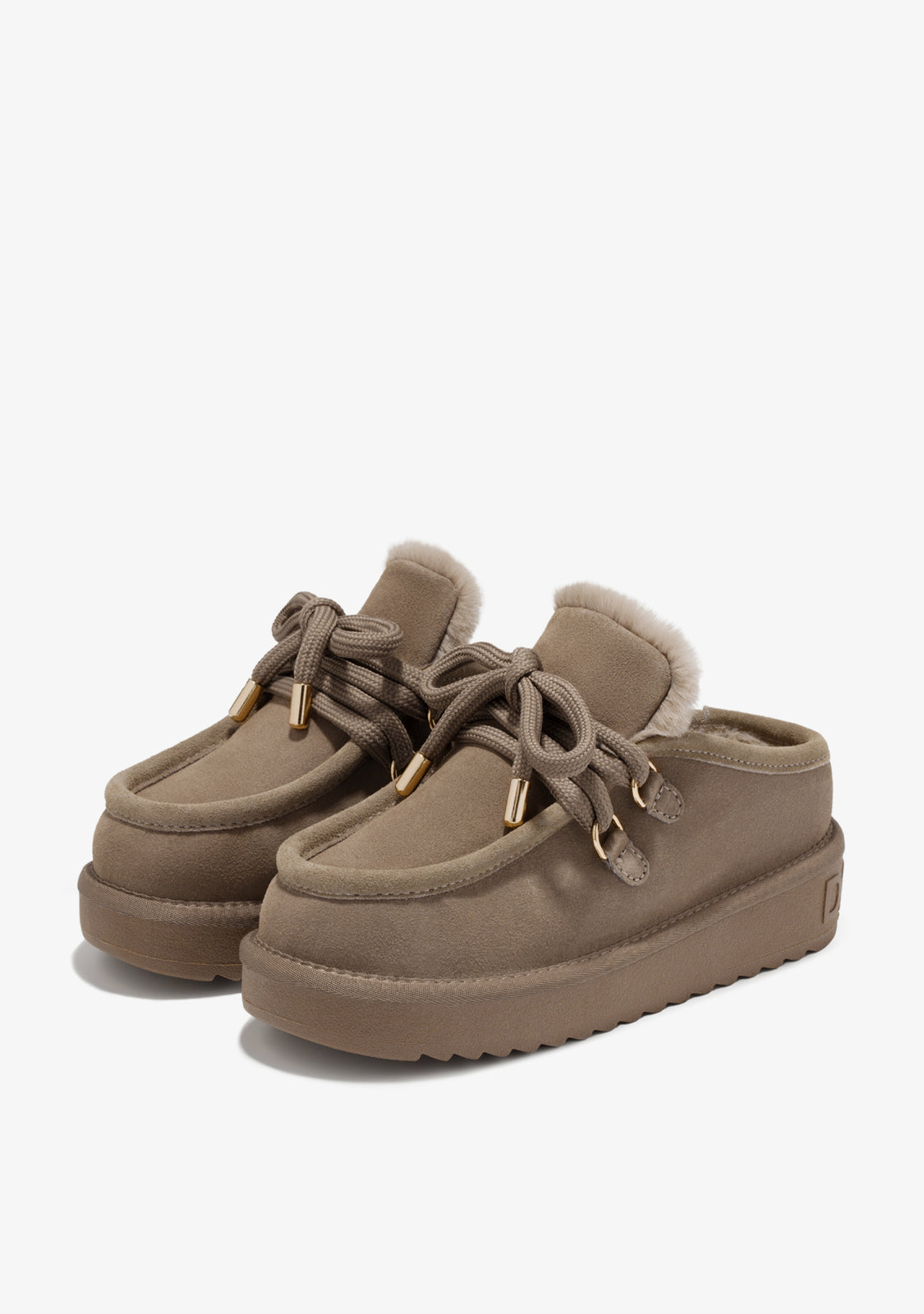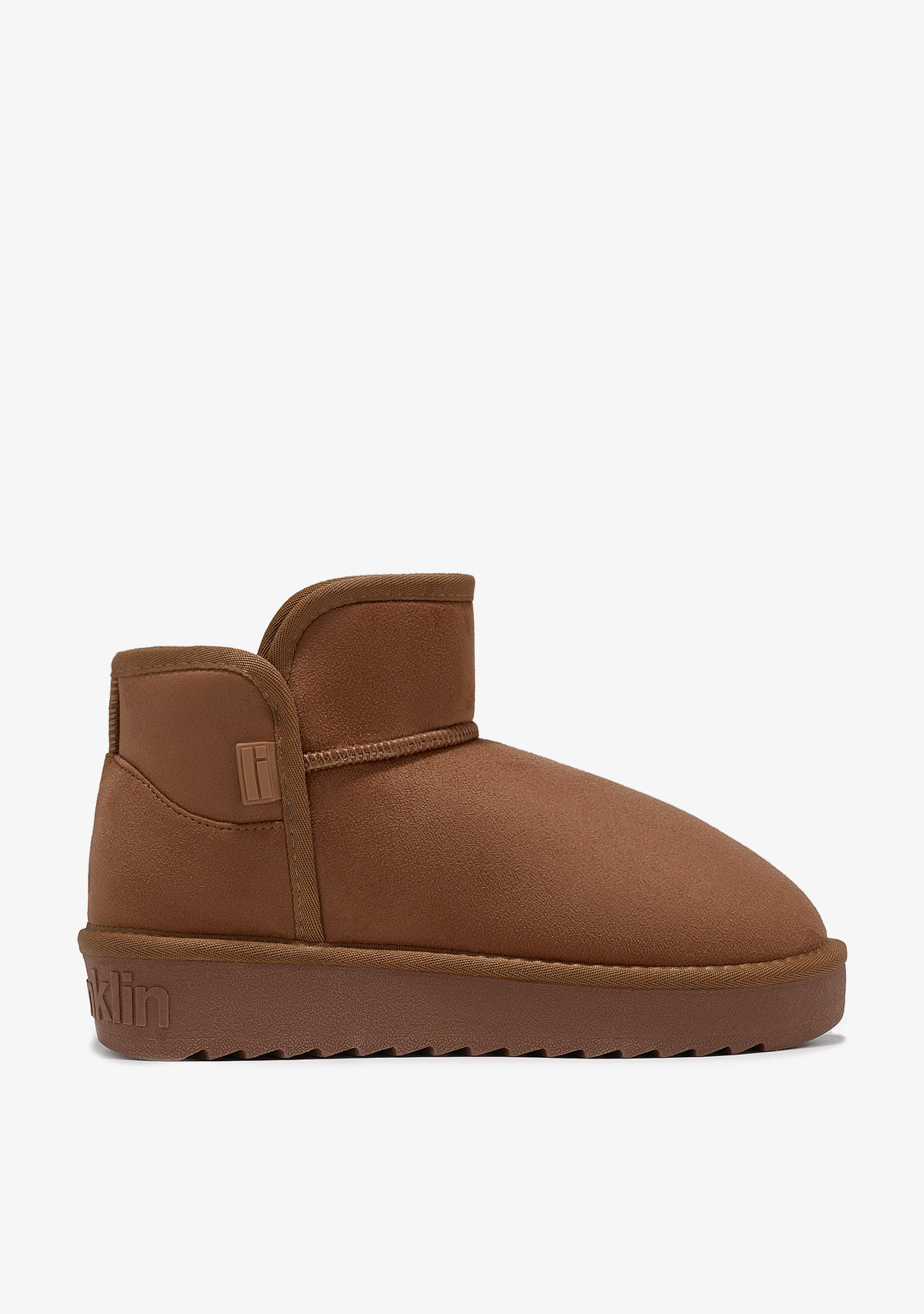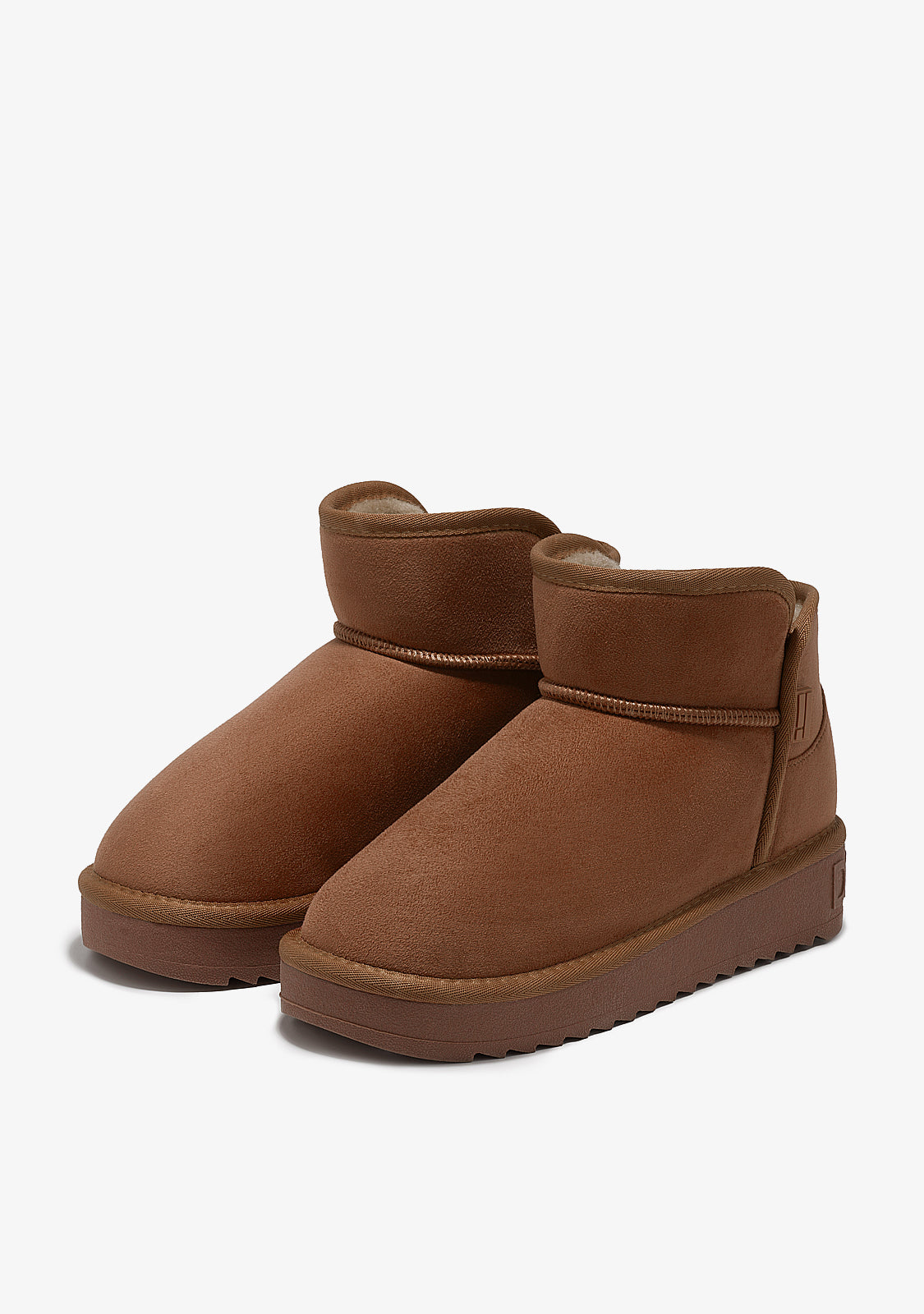
You may also like
New In Shoes
New In Shoes
Compare new additions by their own measurements, material and finish. A new colour or release does not necessarily change the fit or technical specification of a familiar silhouette.
Read moreRead less
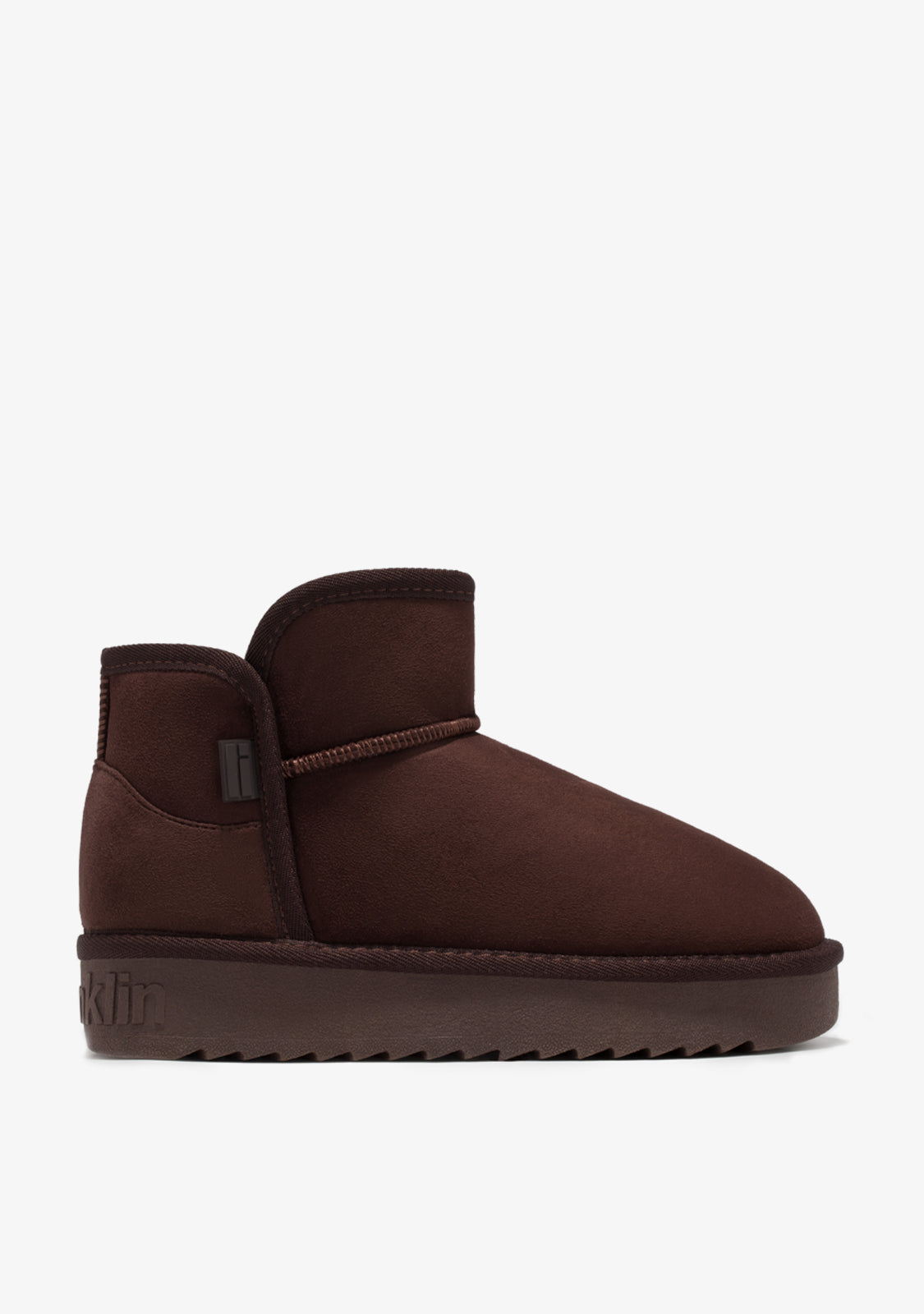
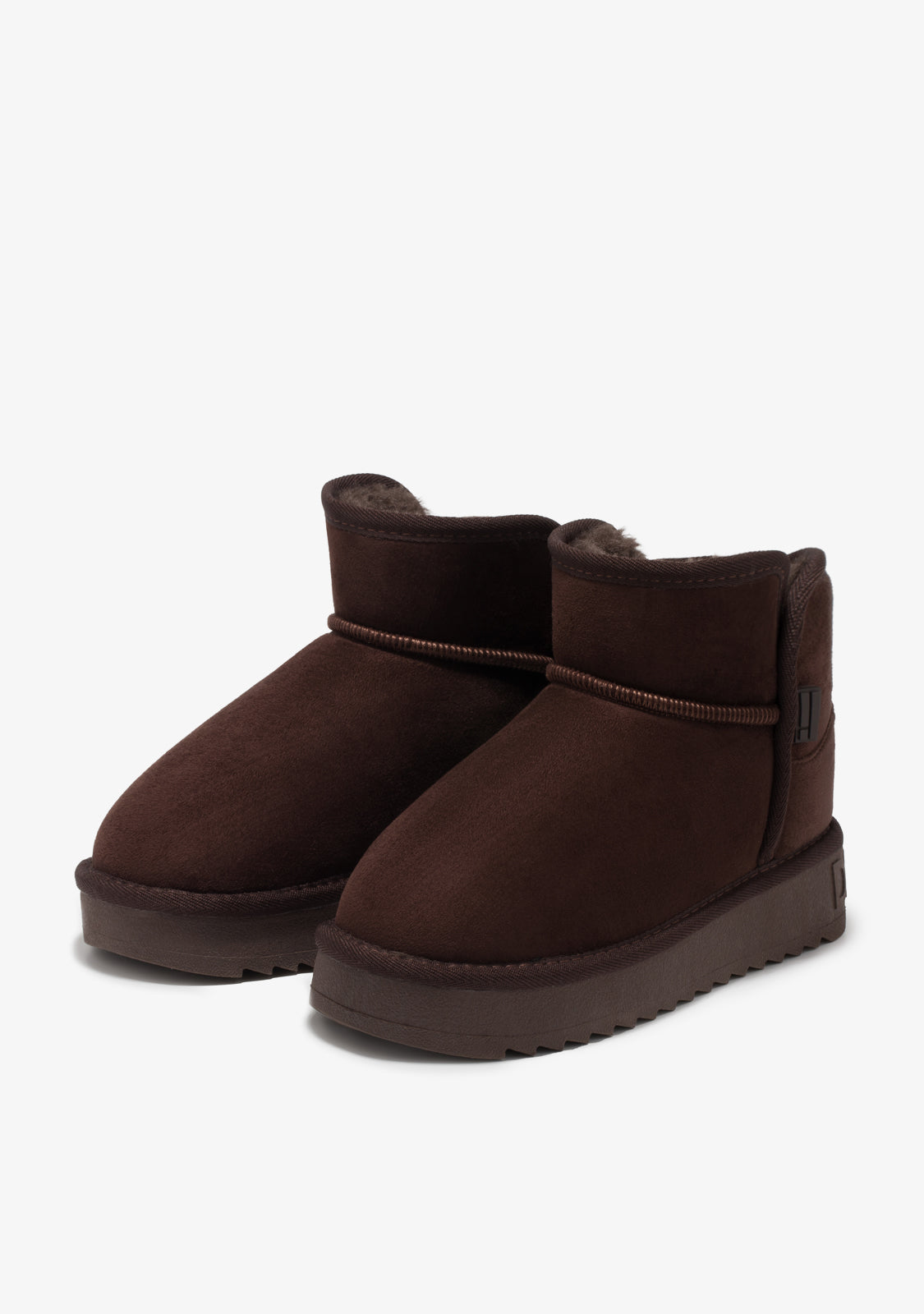
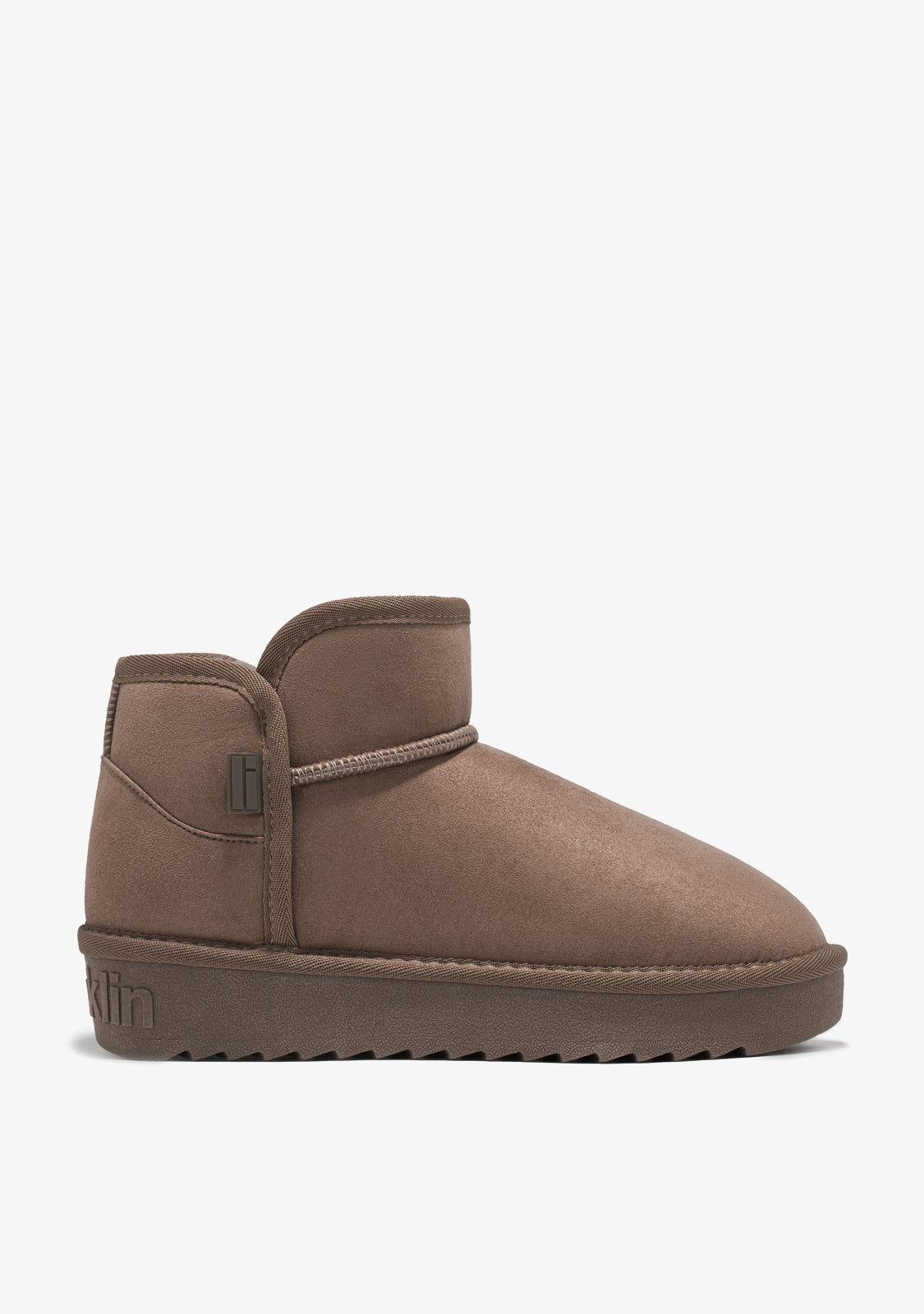
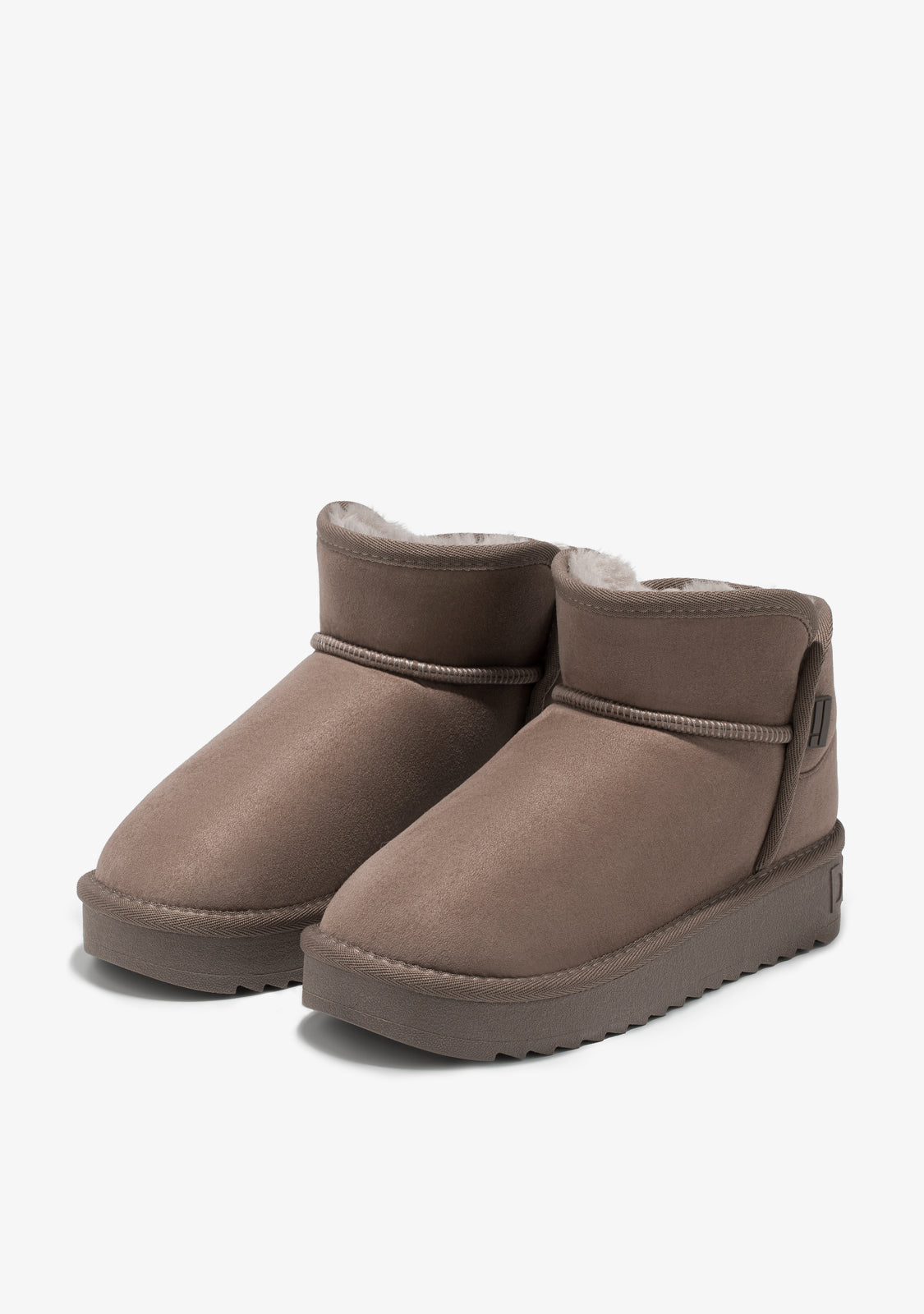
Trainers, boots and ankle boots
Low-profile and more substantial trainers create different effects with the same trousers. For boots and ankle boots, also compare shaft height, opening and fastening: these affect how you put them on and style them.
To compare footwear families, start with how much of the foot you want covered and how you prefer to adjust the fastening. Lace-up trainers let you adjust different areas of the instep; slip-on boots need an opening that allows entry without becoming too loose when walking. Sandals and clogs change toe and heel coverage depending on the design.
Open options for warmer days
Strappy sandals, slides and clogs offer different levels of coverage. Compare fit and material before choosing. The men's sandals and slides collection brings together several constructions to explore their differences.
Consider the relationship between sole and clothing too. A substantial trainer can balance wide trousers, while a visible boot shaft changes proportions with shorter hems. Try them together and avoid fabric dragging. If you want leather, suede, fabric or synthetic materials, check each part separately: the upper does not determine the lining or insole composition.
How to compare two pairs
Measure both feet and consult the design's size chart.
Distinguish foot length from insole length.
Try footwear with the socks you plan to wear.
Check toe room, heel support and pressure over the instep.
Explore related collections
Frequently asked questions
What should I compare when choosing from New In Shoes?
Compare the available options in these categories: boots and ankle boots, trainers. Look at the closure, space around the toes and how securely the heel sits. Compare upper, lining and sole separately: a similar silhouette does not mean the same materials, fit or intended use.
Does a new edition fit exactly like an older pair or garment?
Not necessarily. Compare its current size chart and construction, especially if materials or cut have changed. A shared family name is useful for browsing, not a substitute for measurements.
Can I wear the same size in trainers, boots and sandals?
It may match, but do not assume so. Compare each guide with both feet and consider socks, opening and base shape. In an open design, toes and heel should stay within the edges; in a closed one, check interior space and stability while walking.
Do all designs fit the same?
Do not assume so. Shape, materials and fastening can change the fit. Check each option's guidance even if you already own another pair from the brand.
What should I compare between boots and ankle boots?
Look at shaft height, opening, fastening and the space needed for clothing or socks. The category name does not replace checking those details.
How do I choose unisex footwear?
Check the size conversions and the design's measurements. Unisex describes the intended audience, but does not guarantee identical width or fit on every foot.
Can all leather footwear be cleaned the same way?
No. Suede and smooth leather require different products and tools. Identify the finish before cleaning and follow its instructions to avoid changing the texture or colour.