


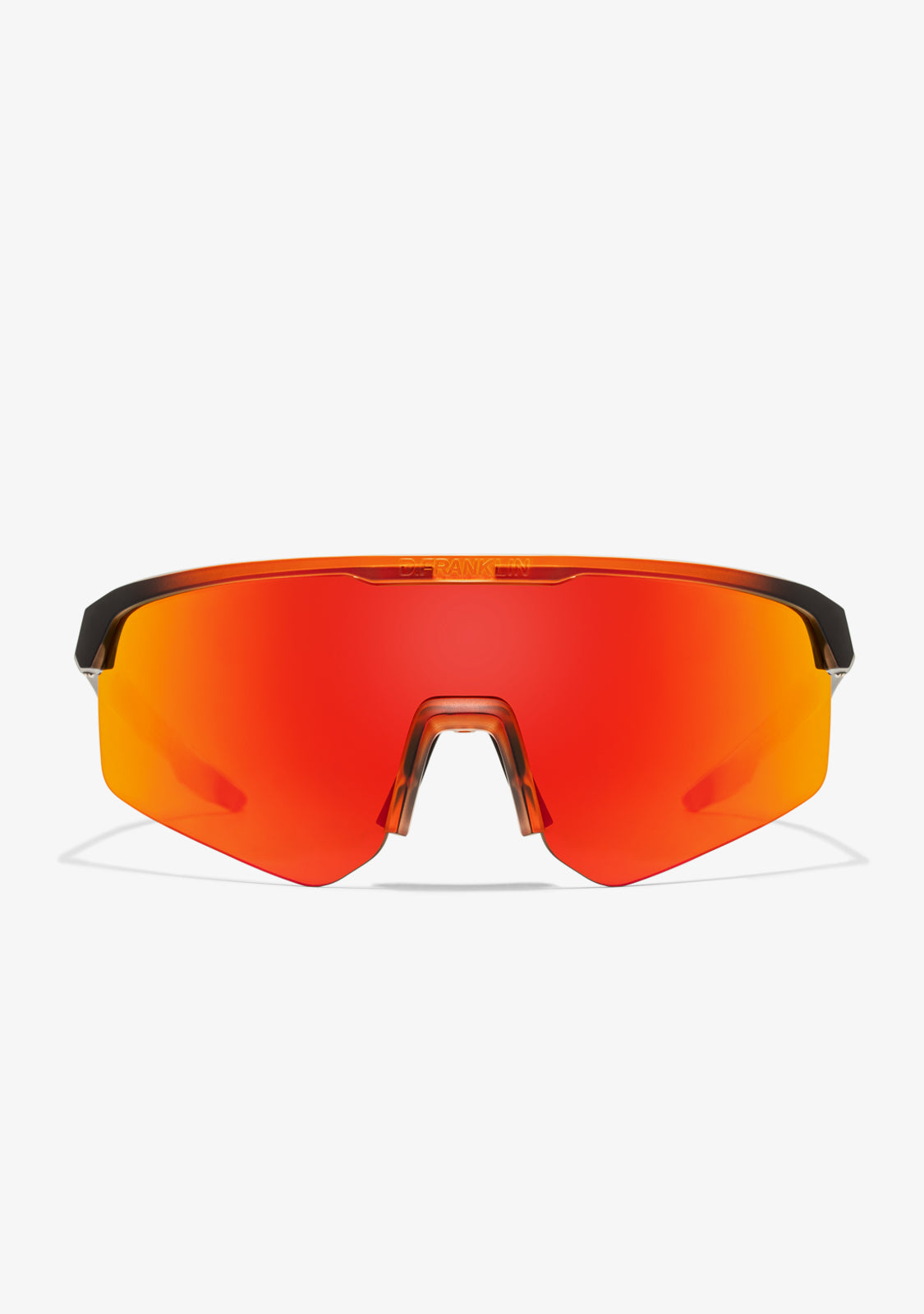
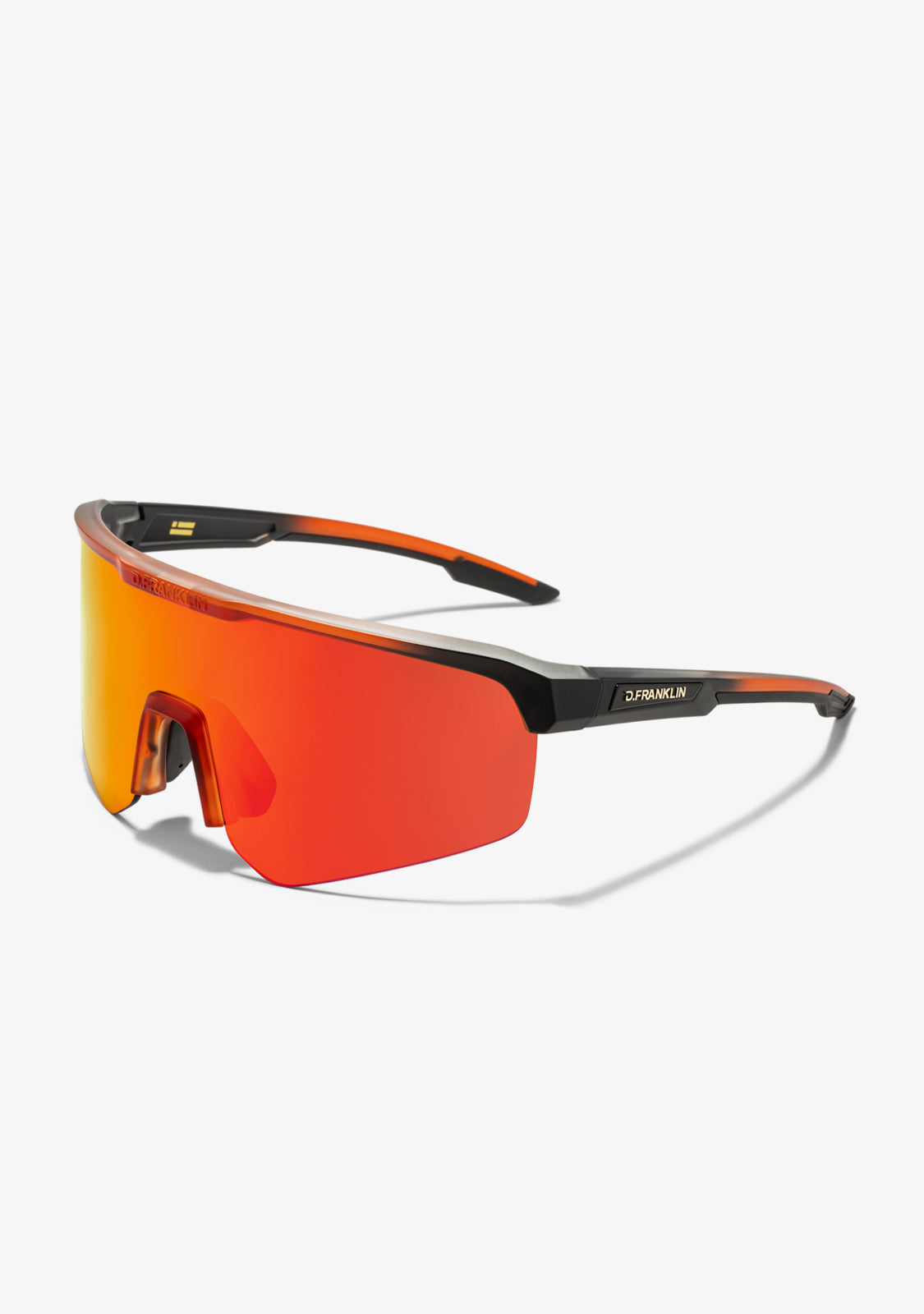


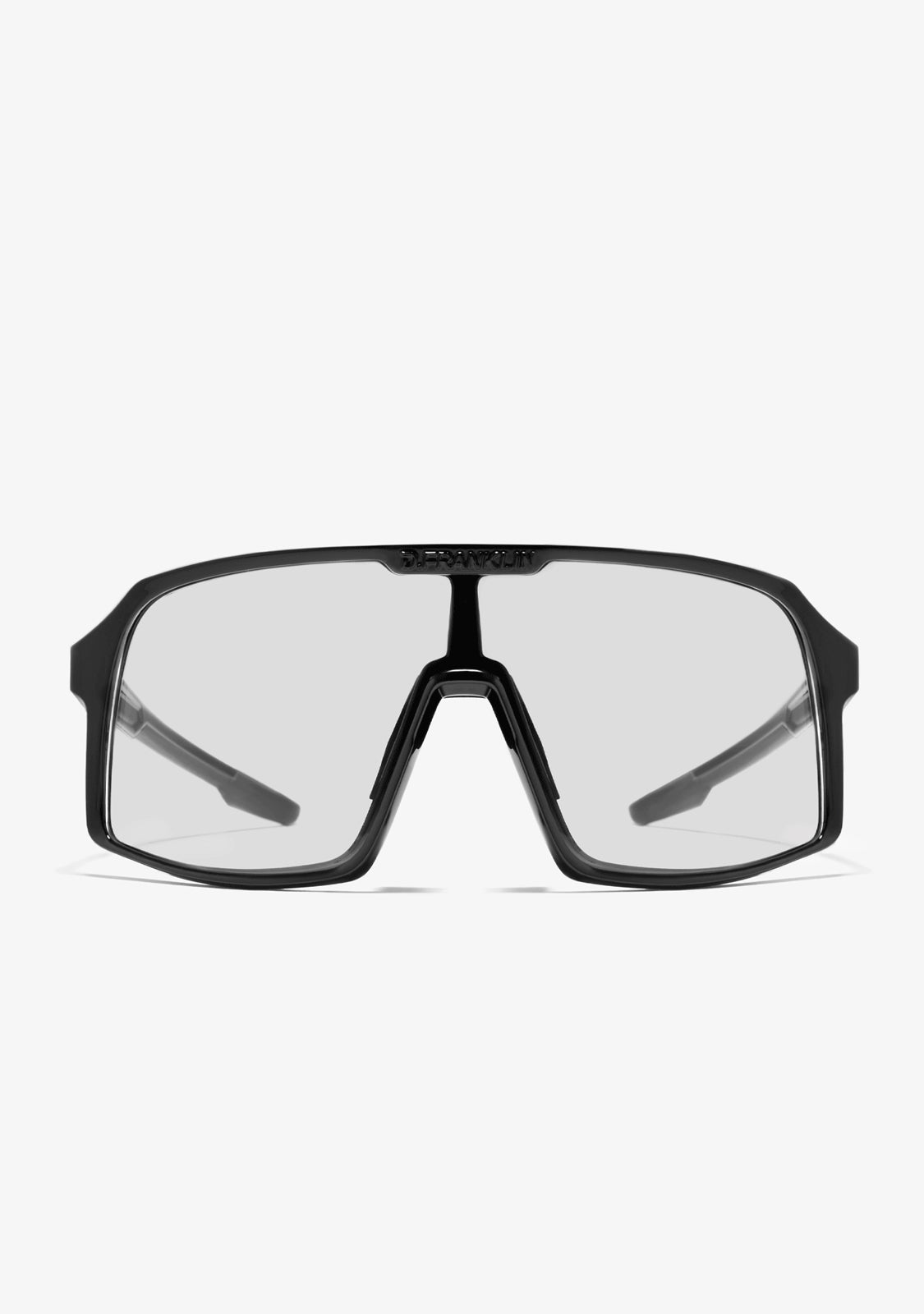


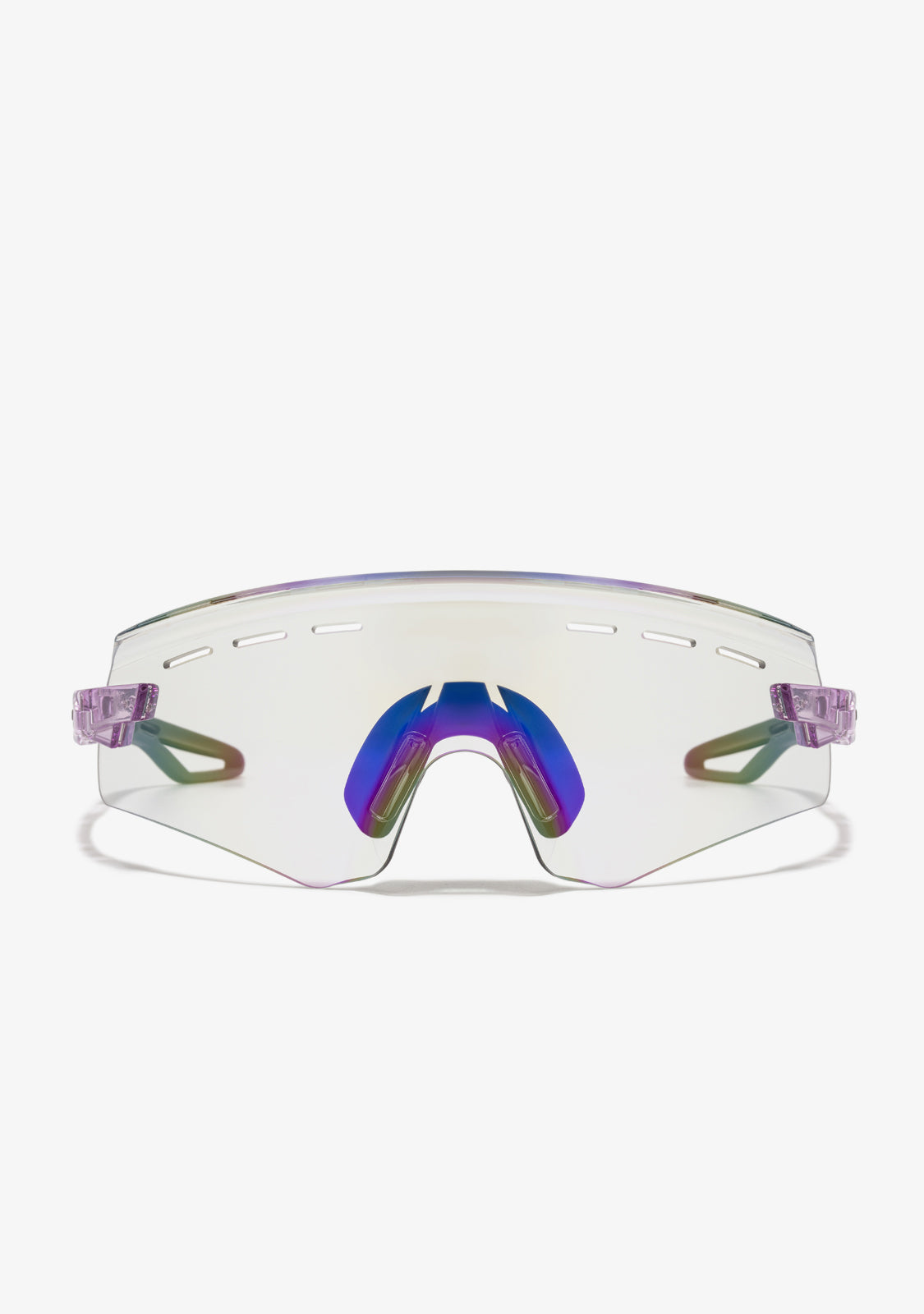






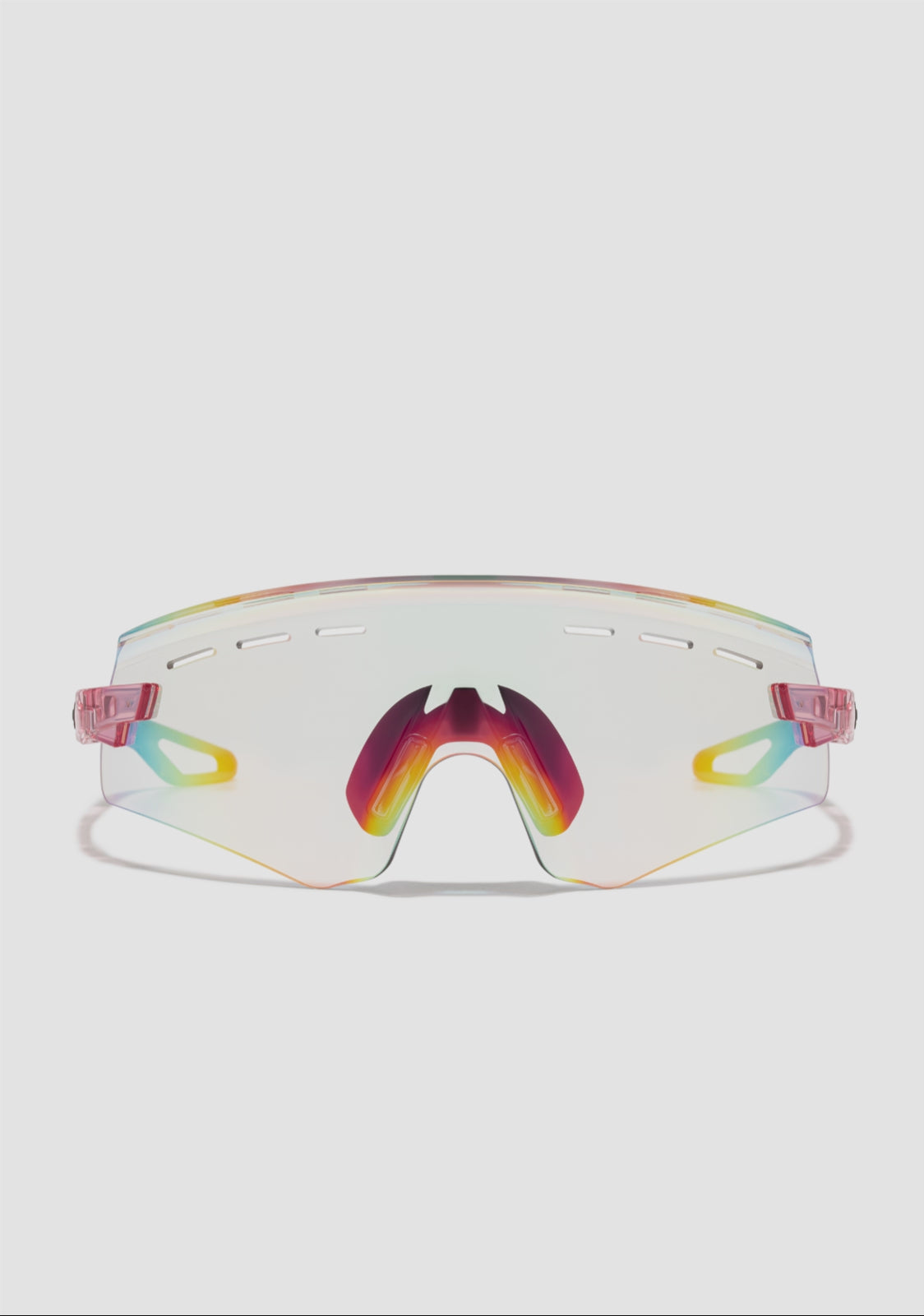
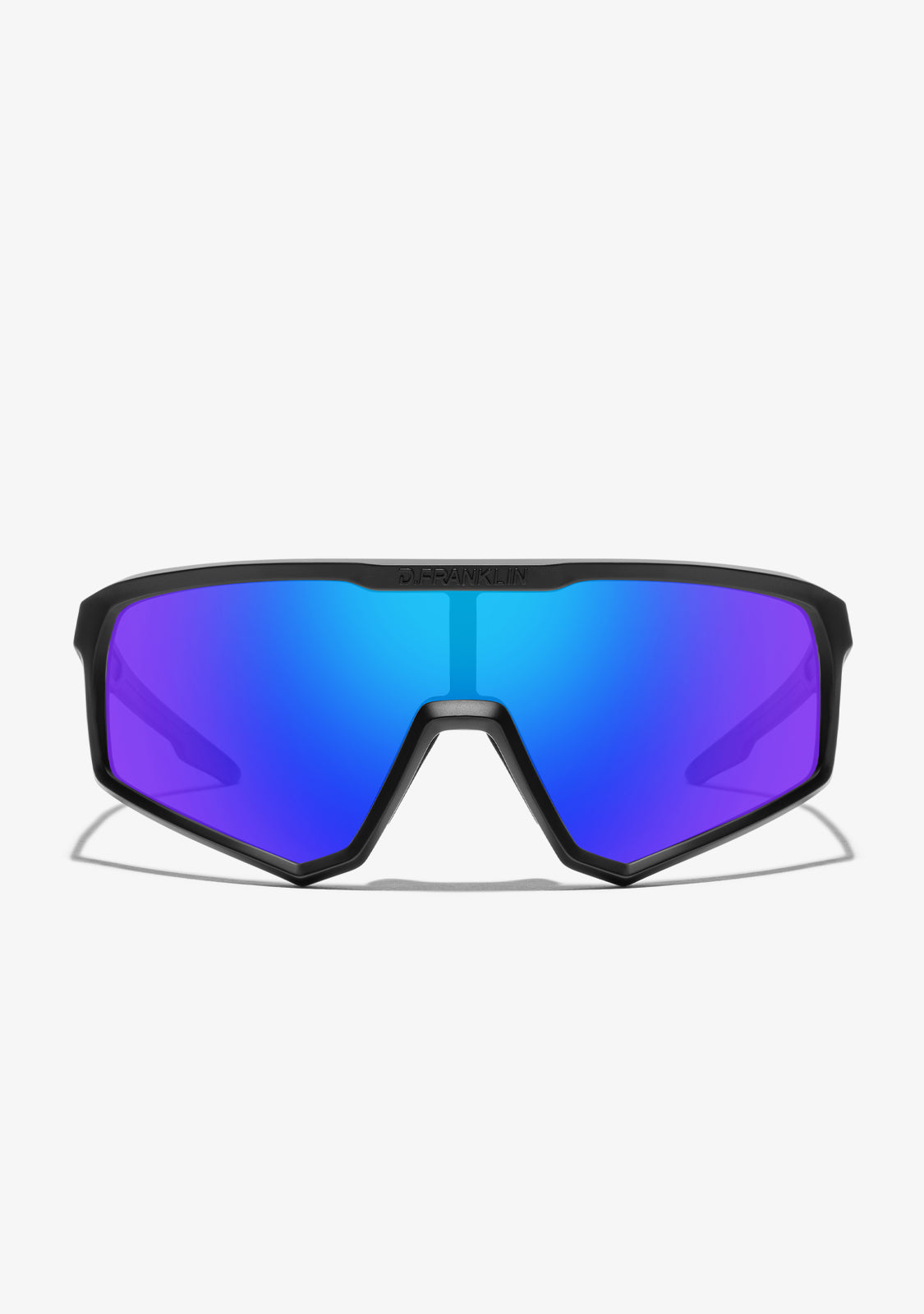
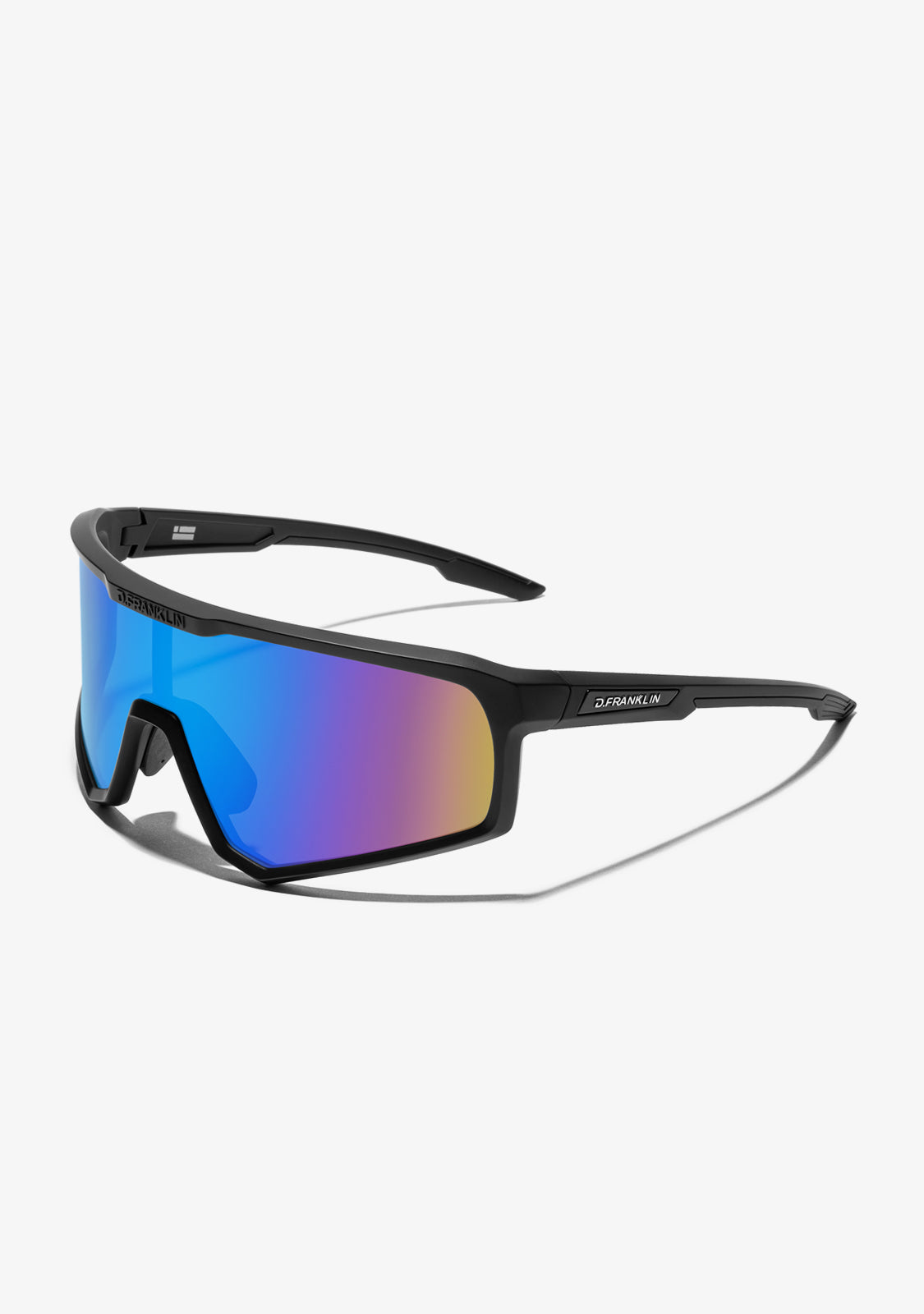

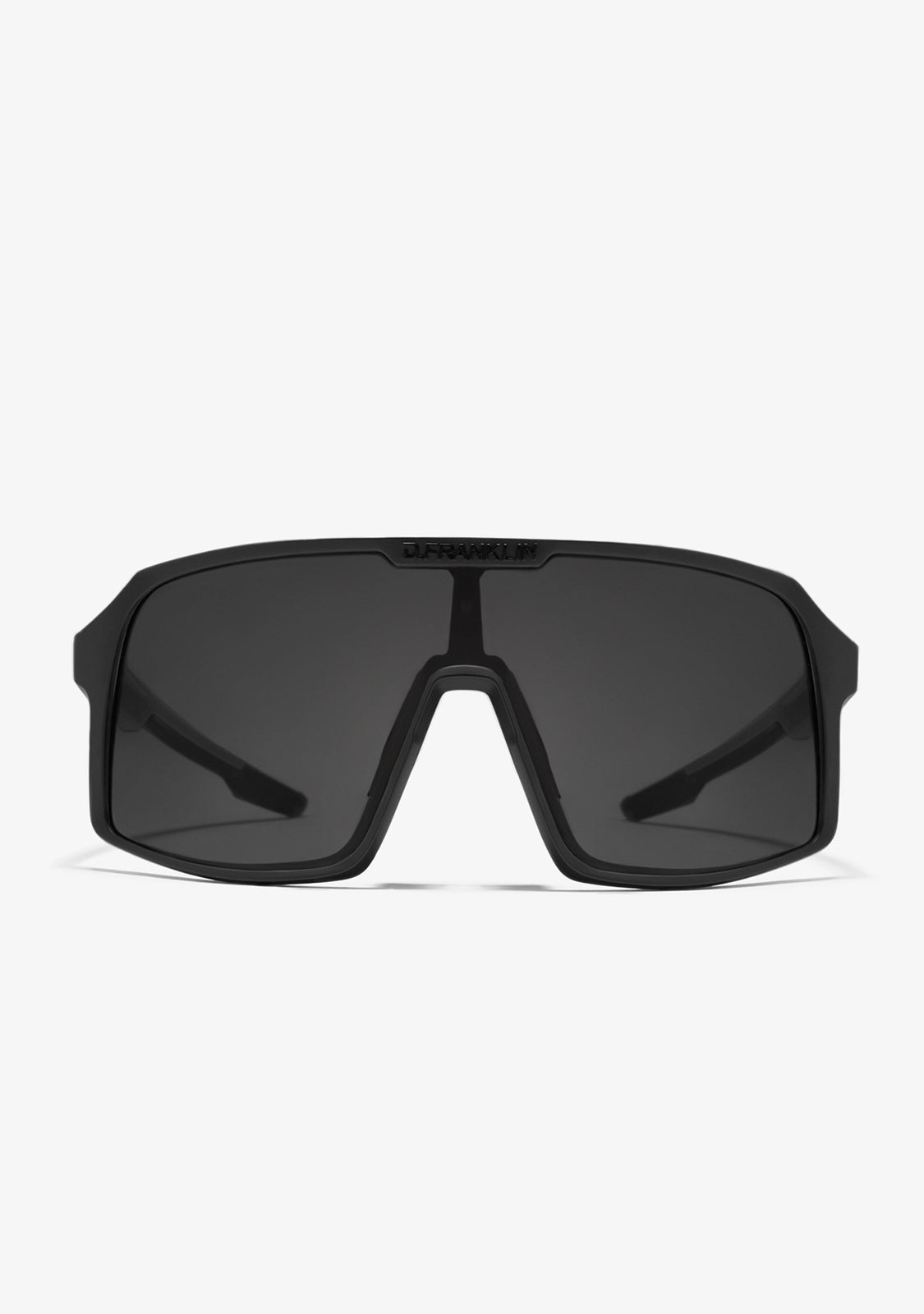
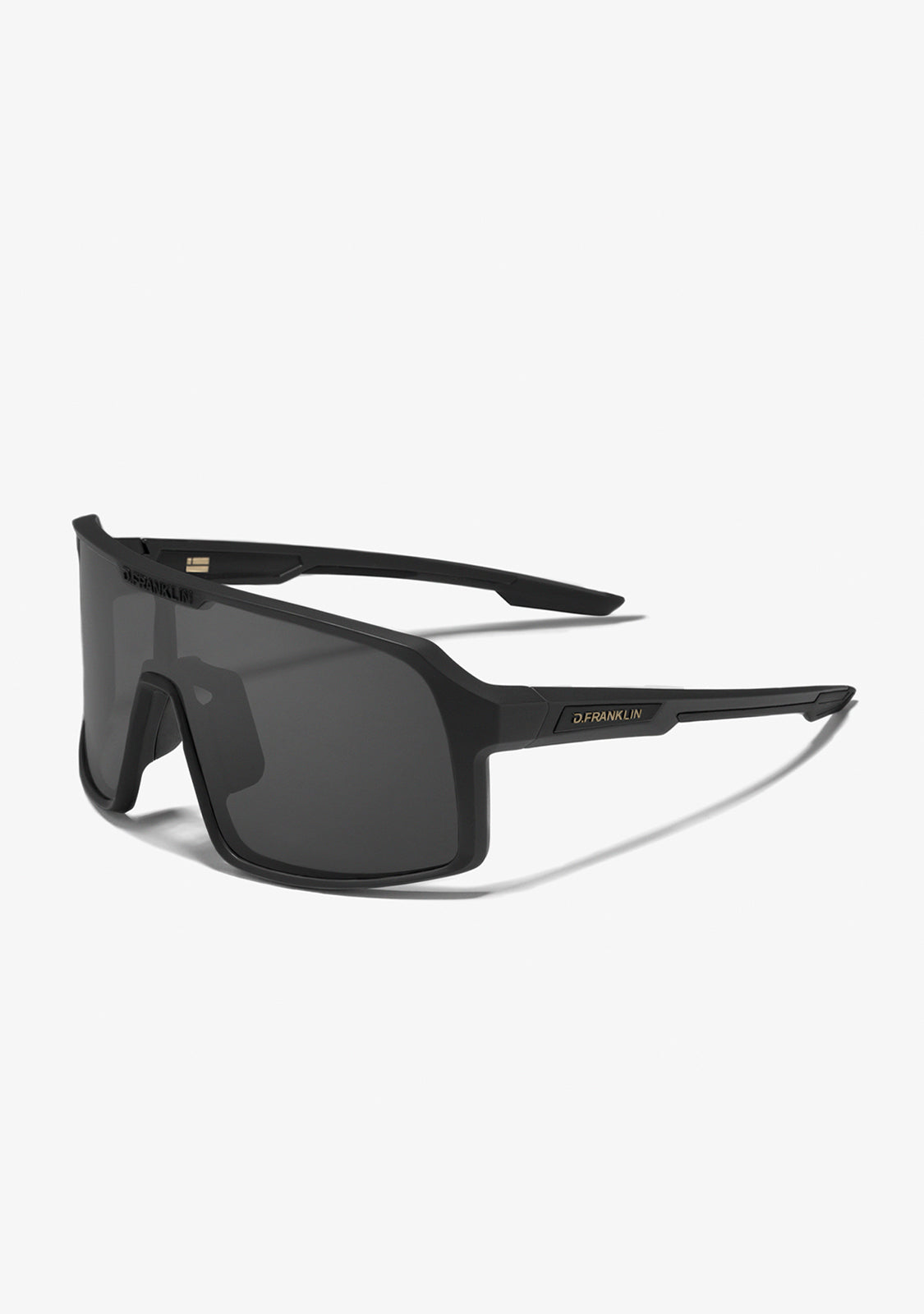


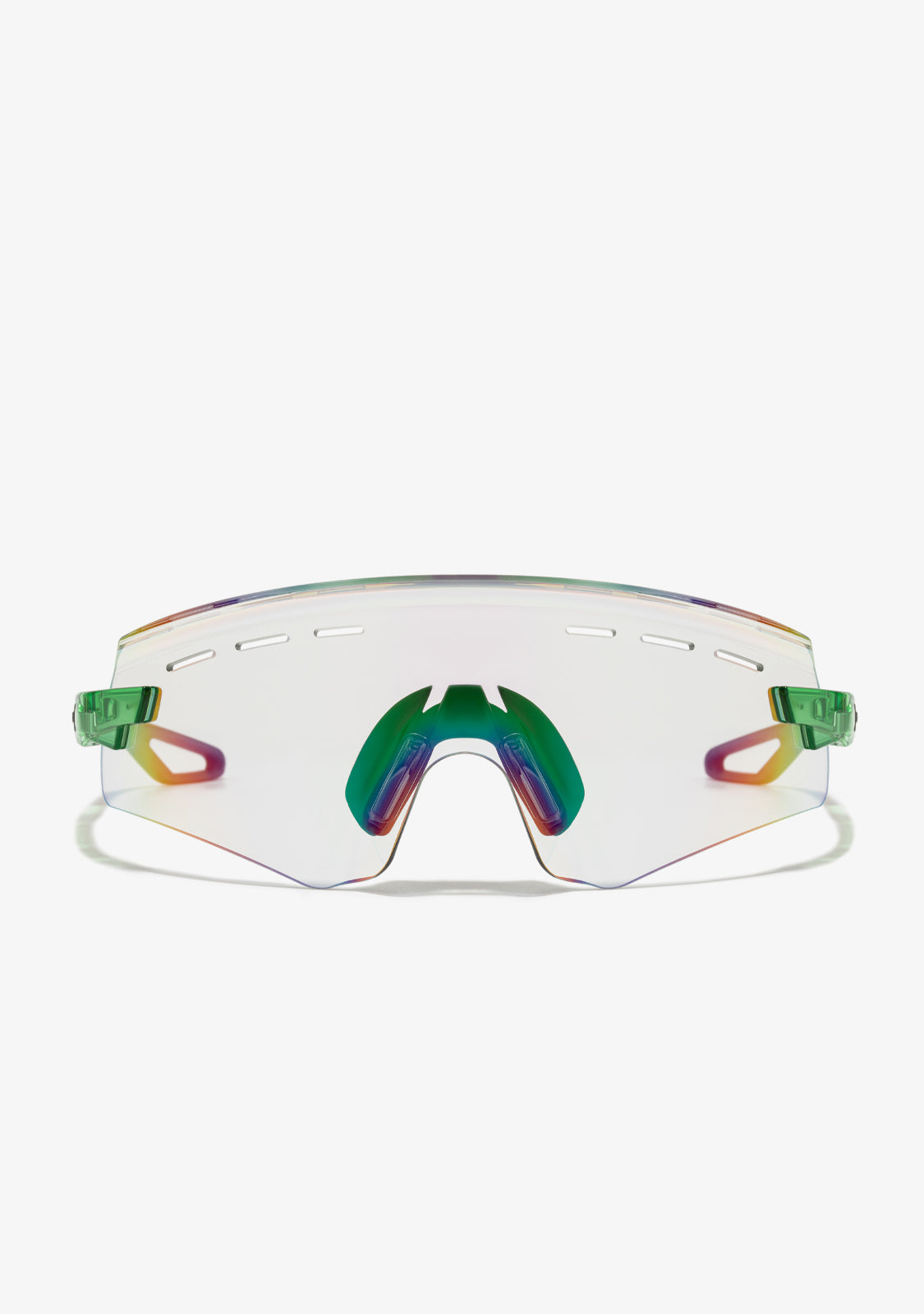

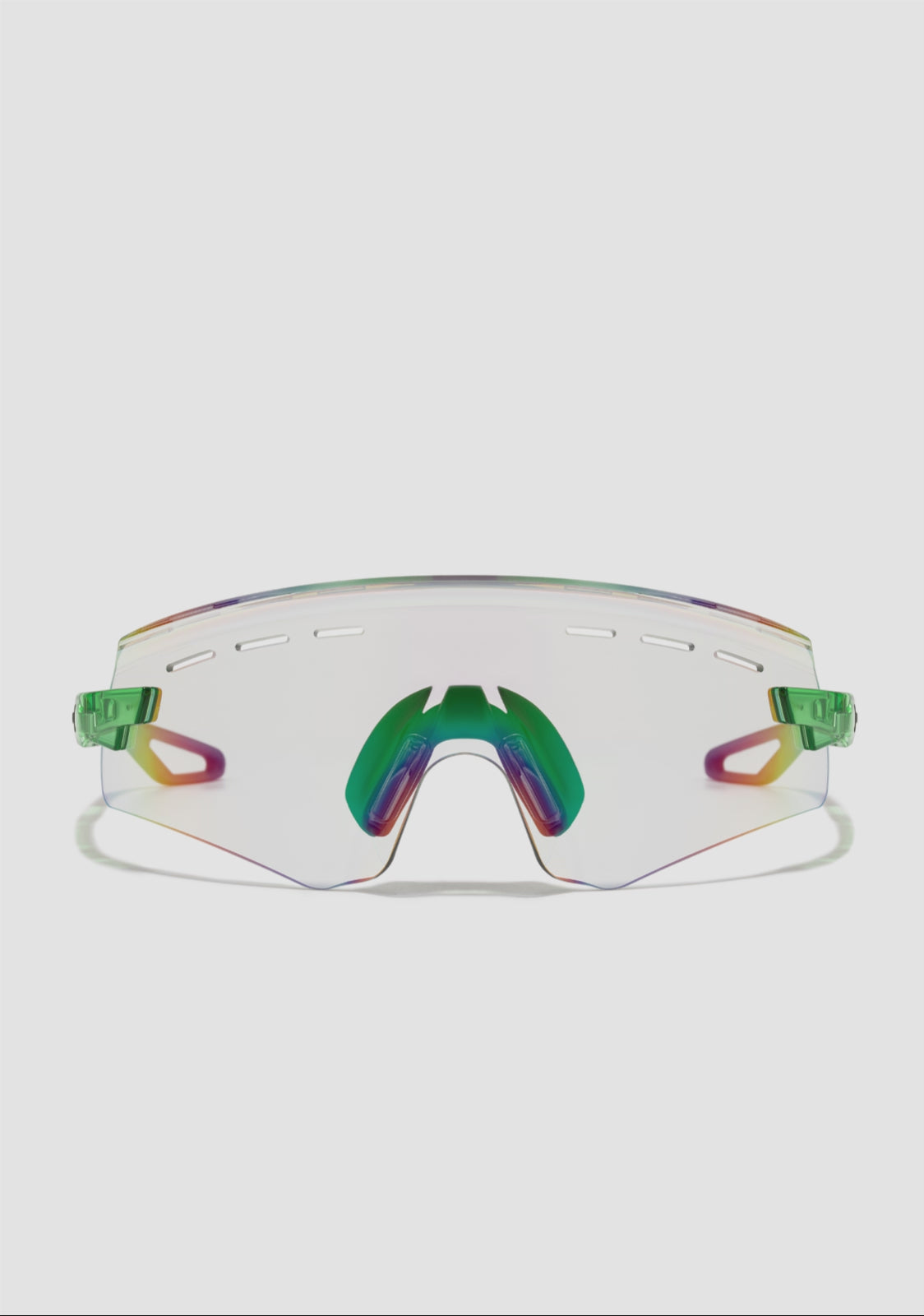

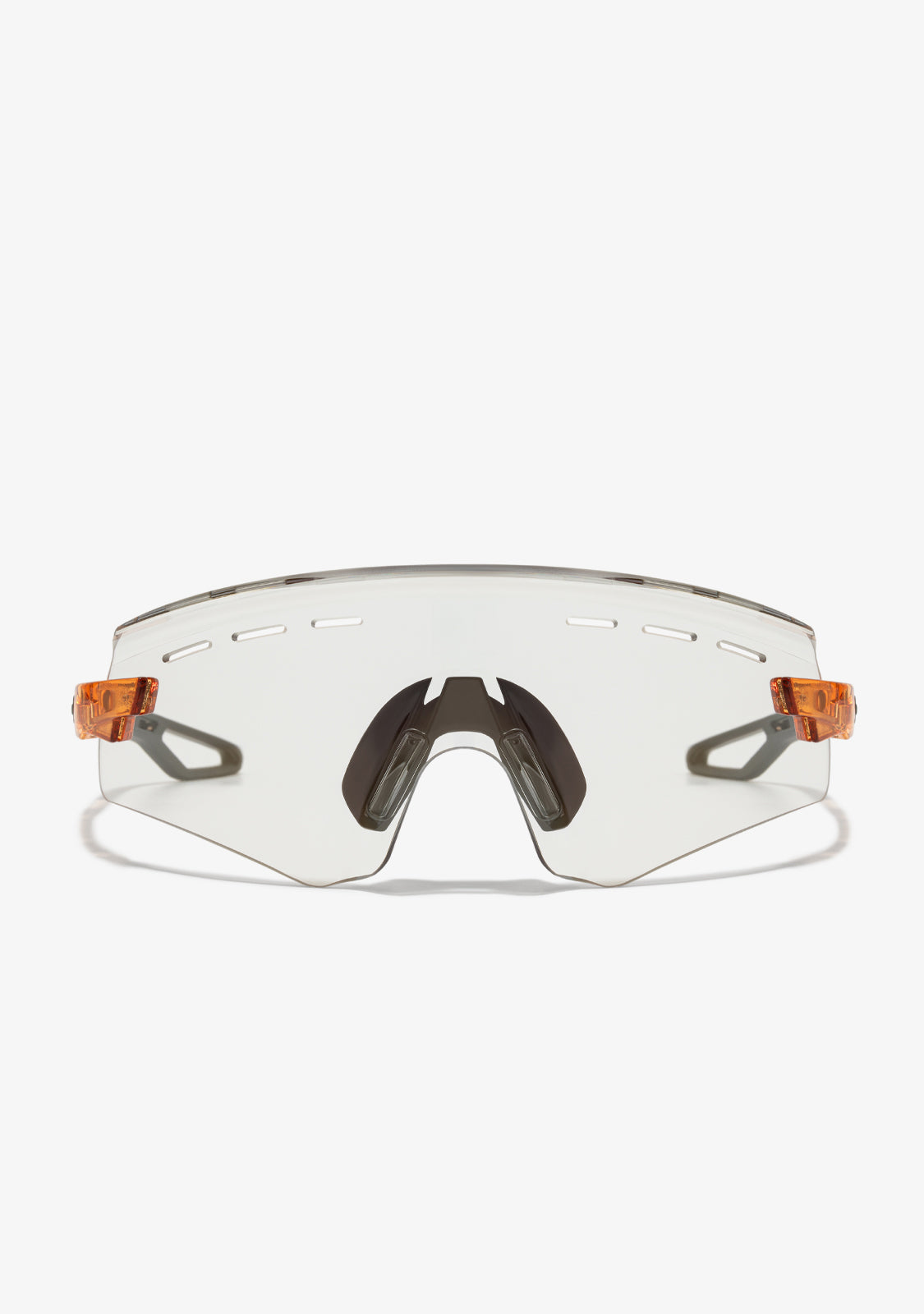





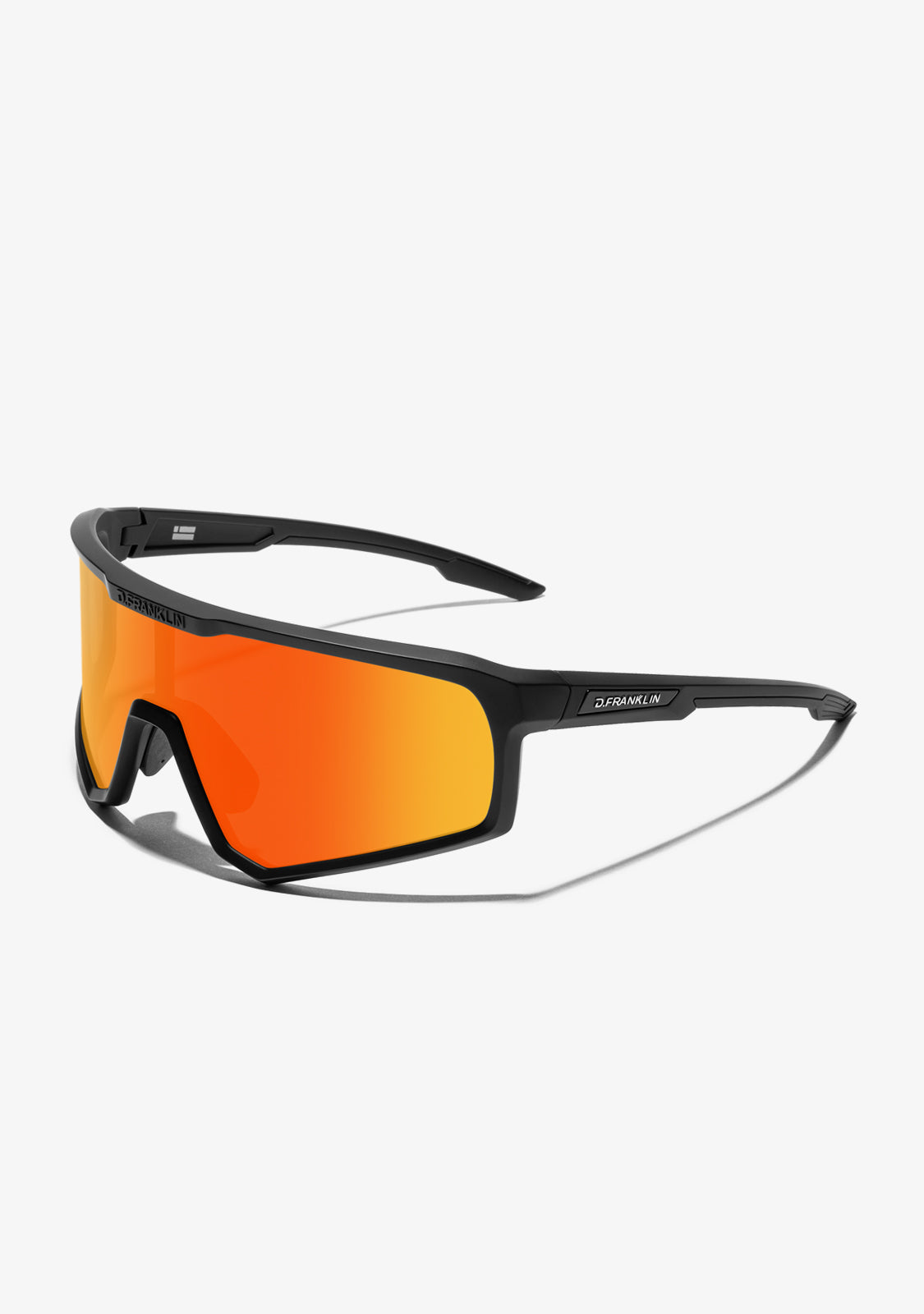


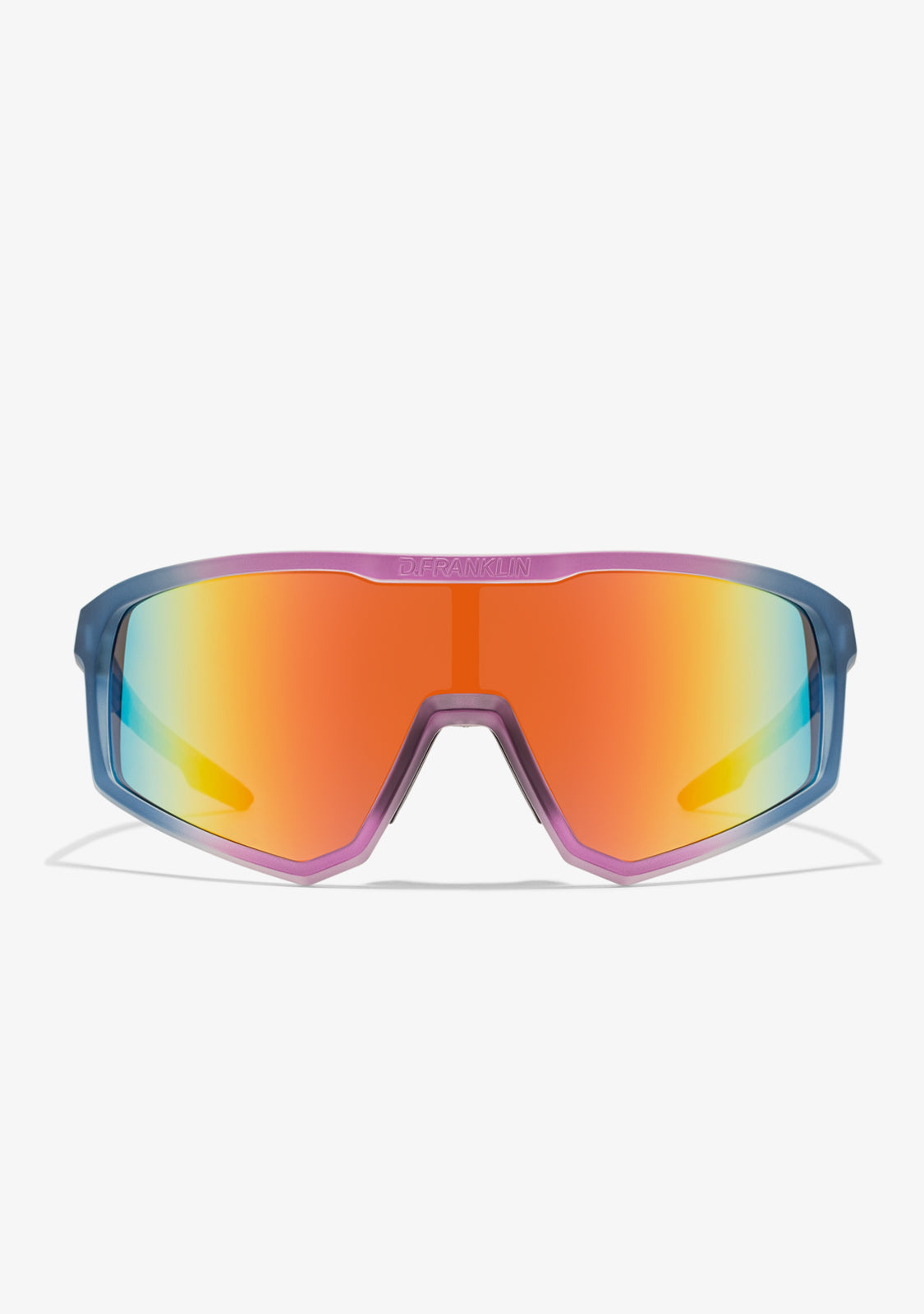
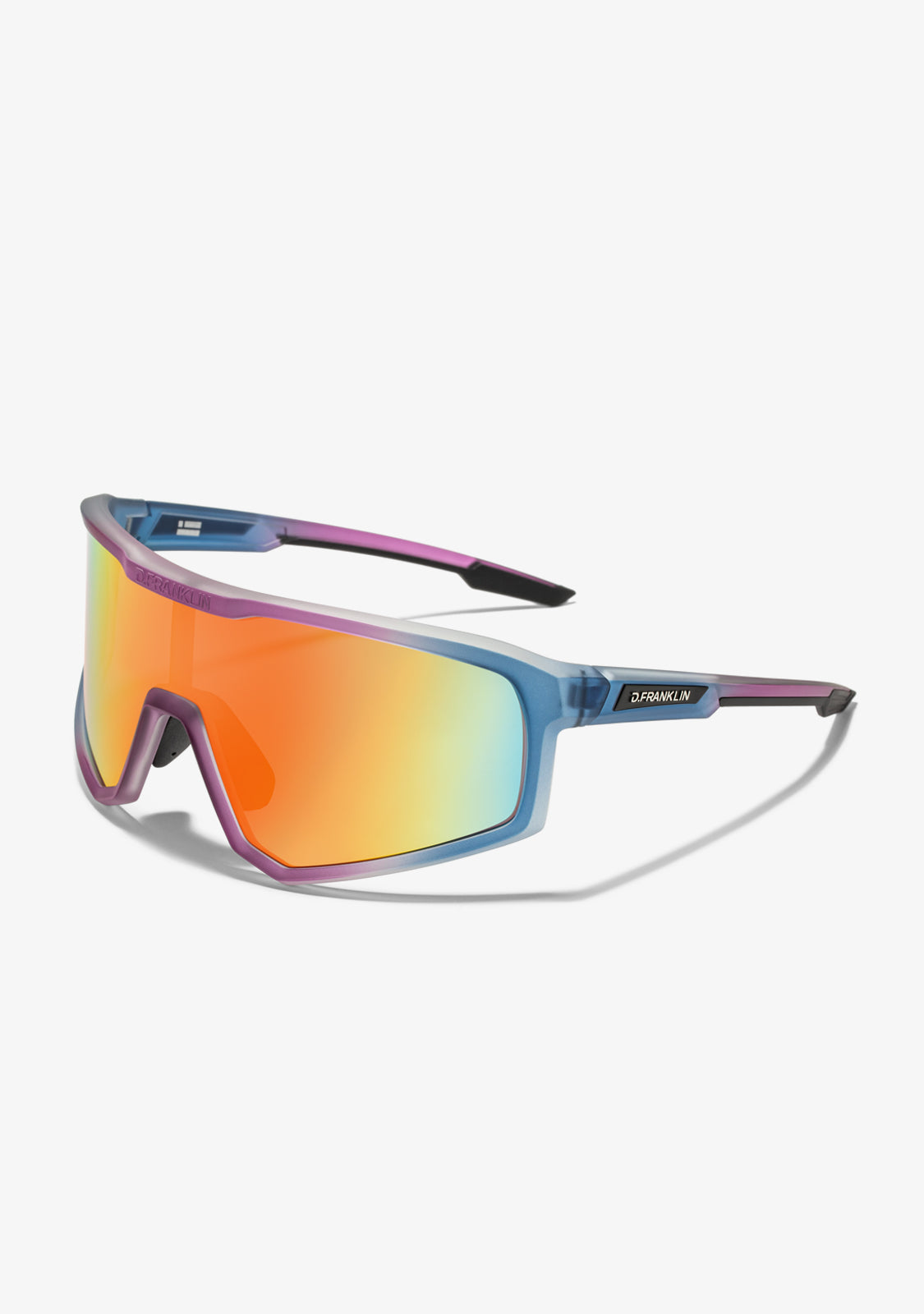

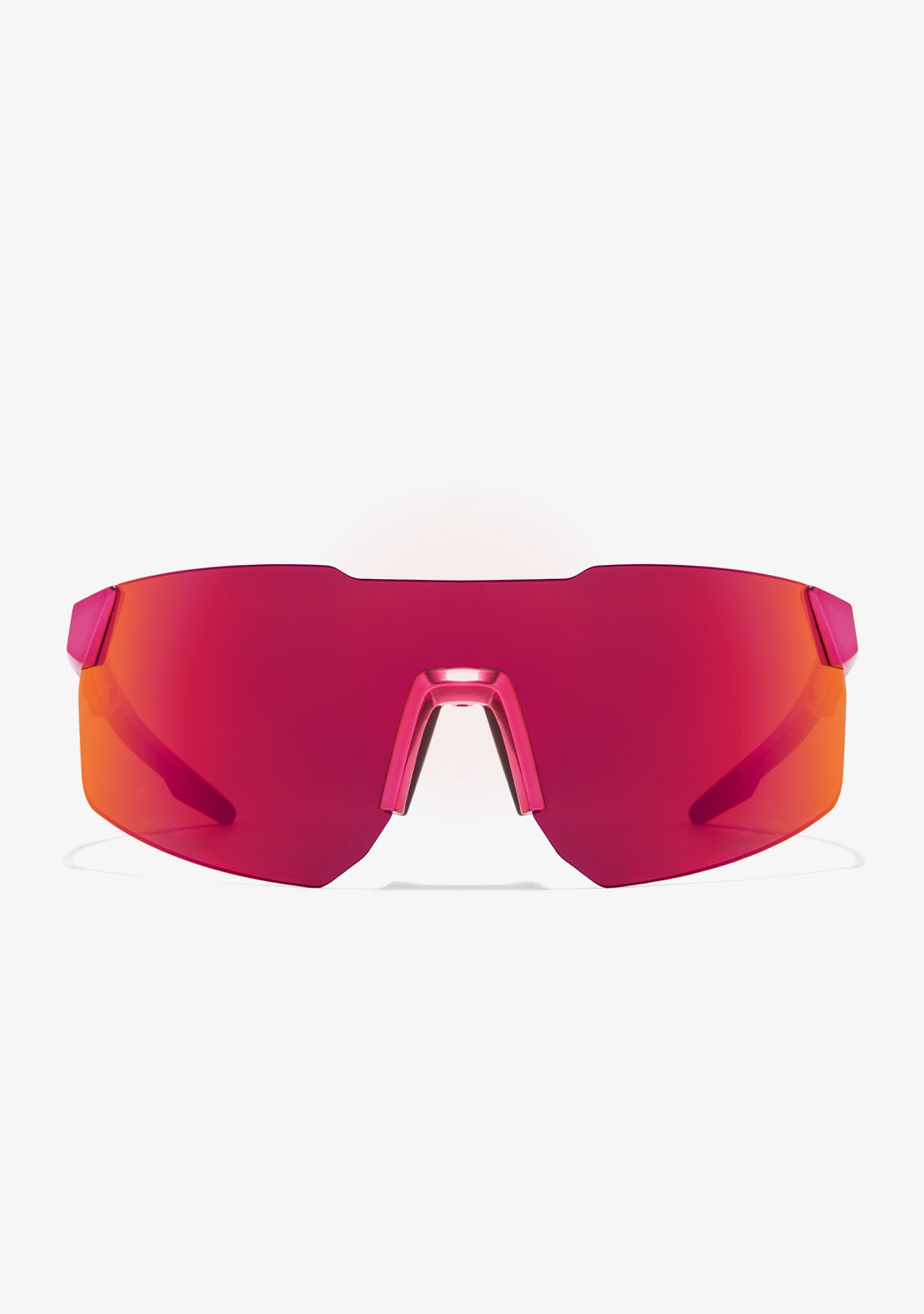
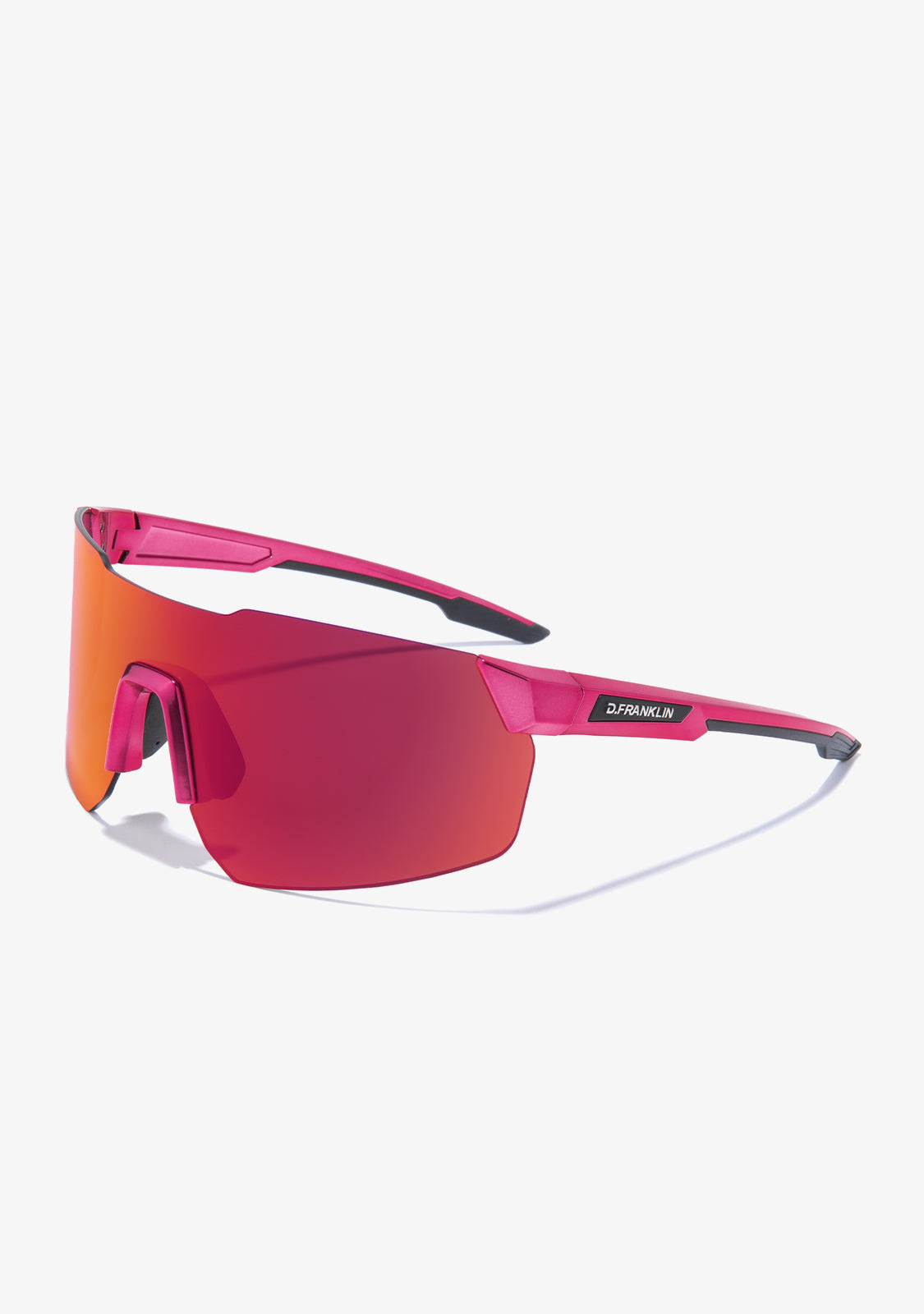

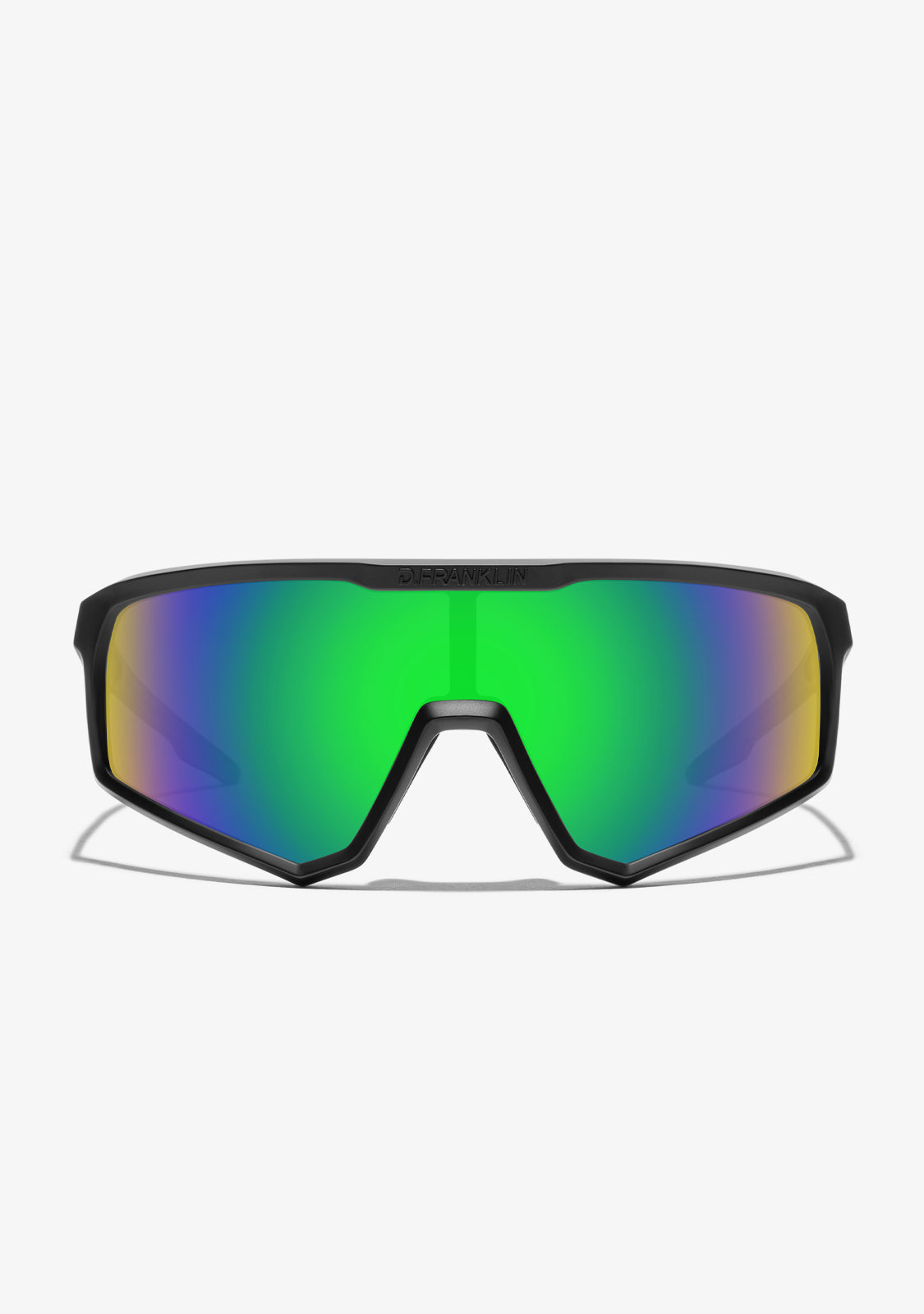
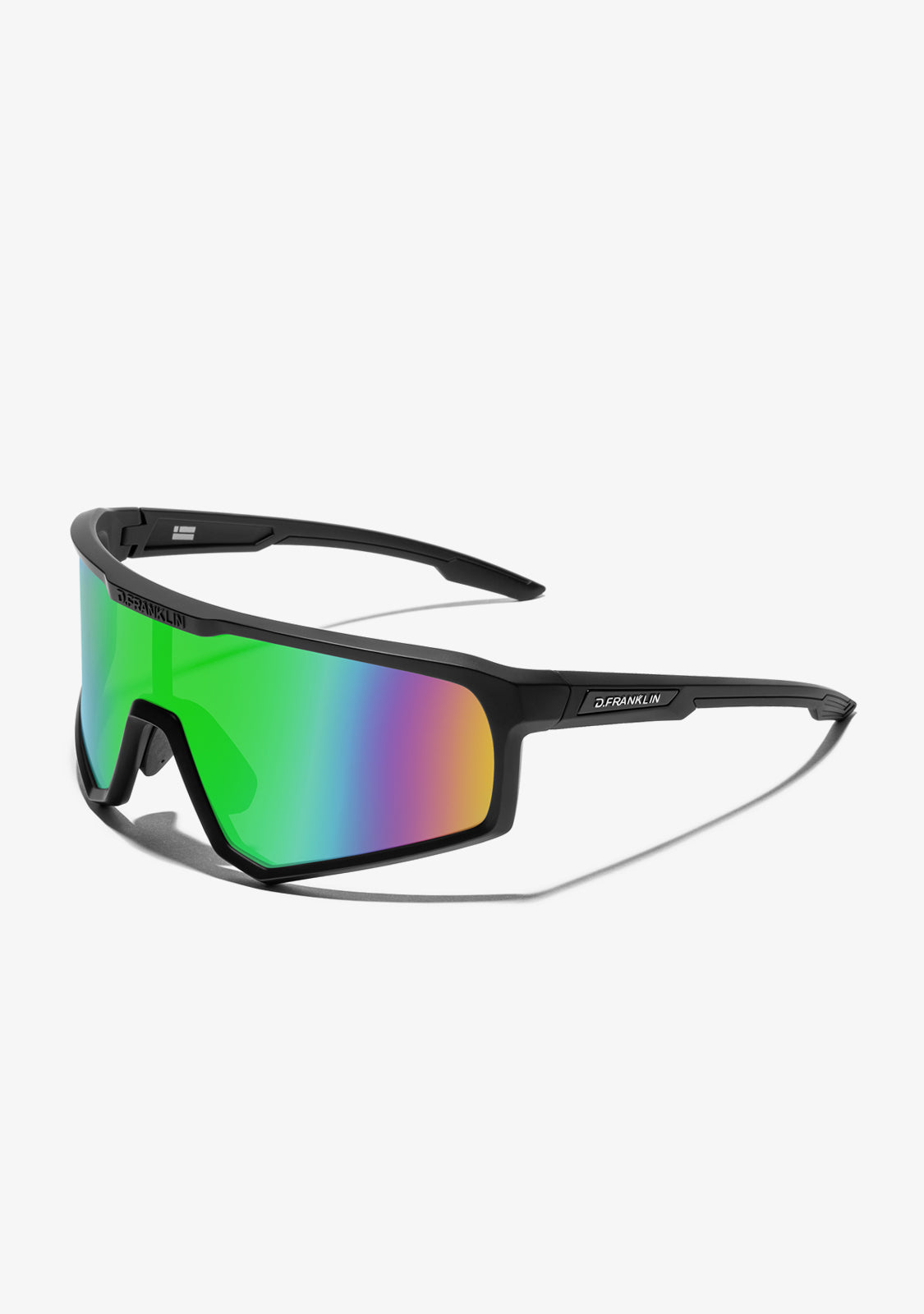


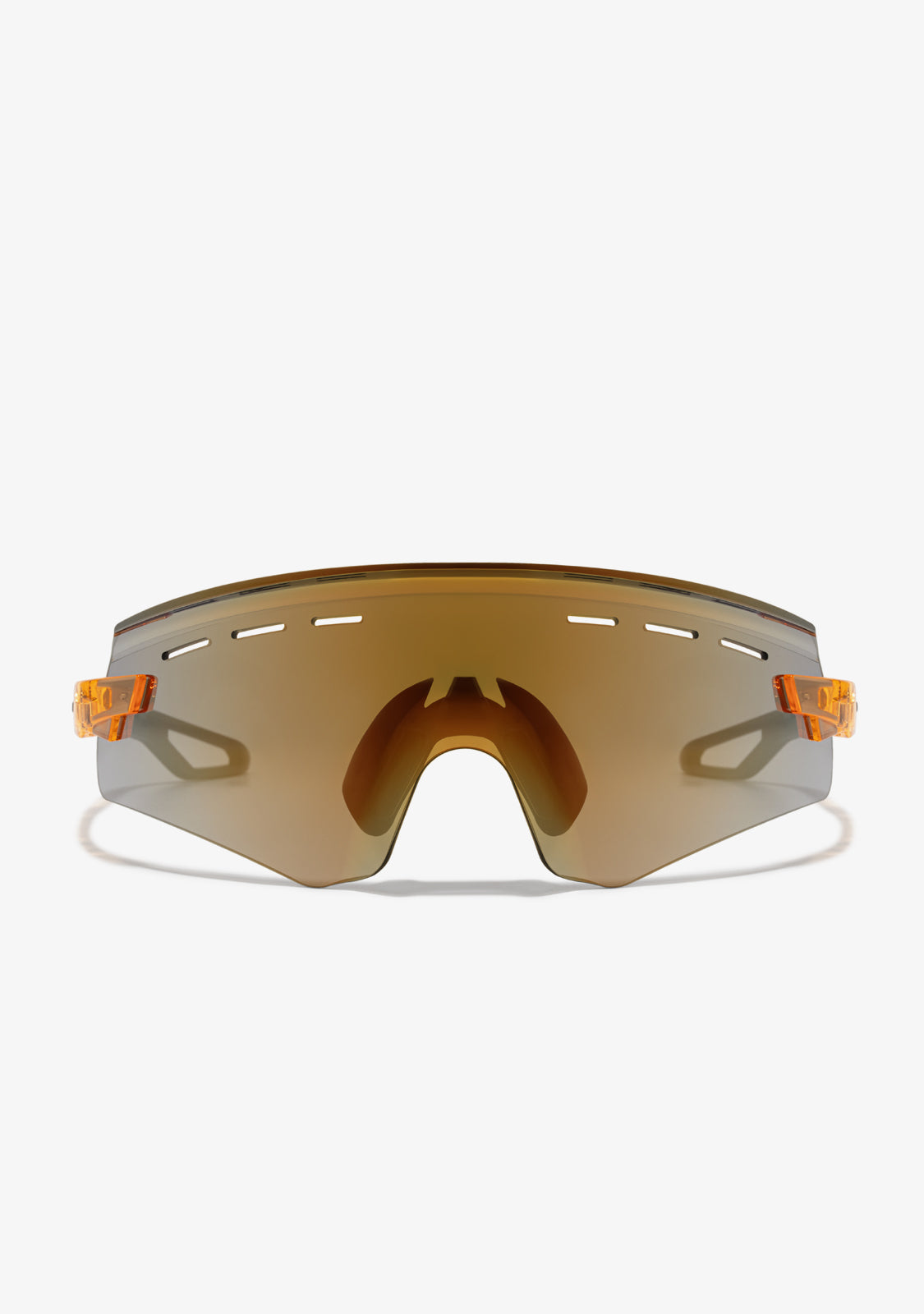
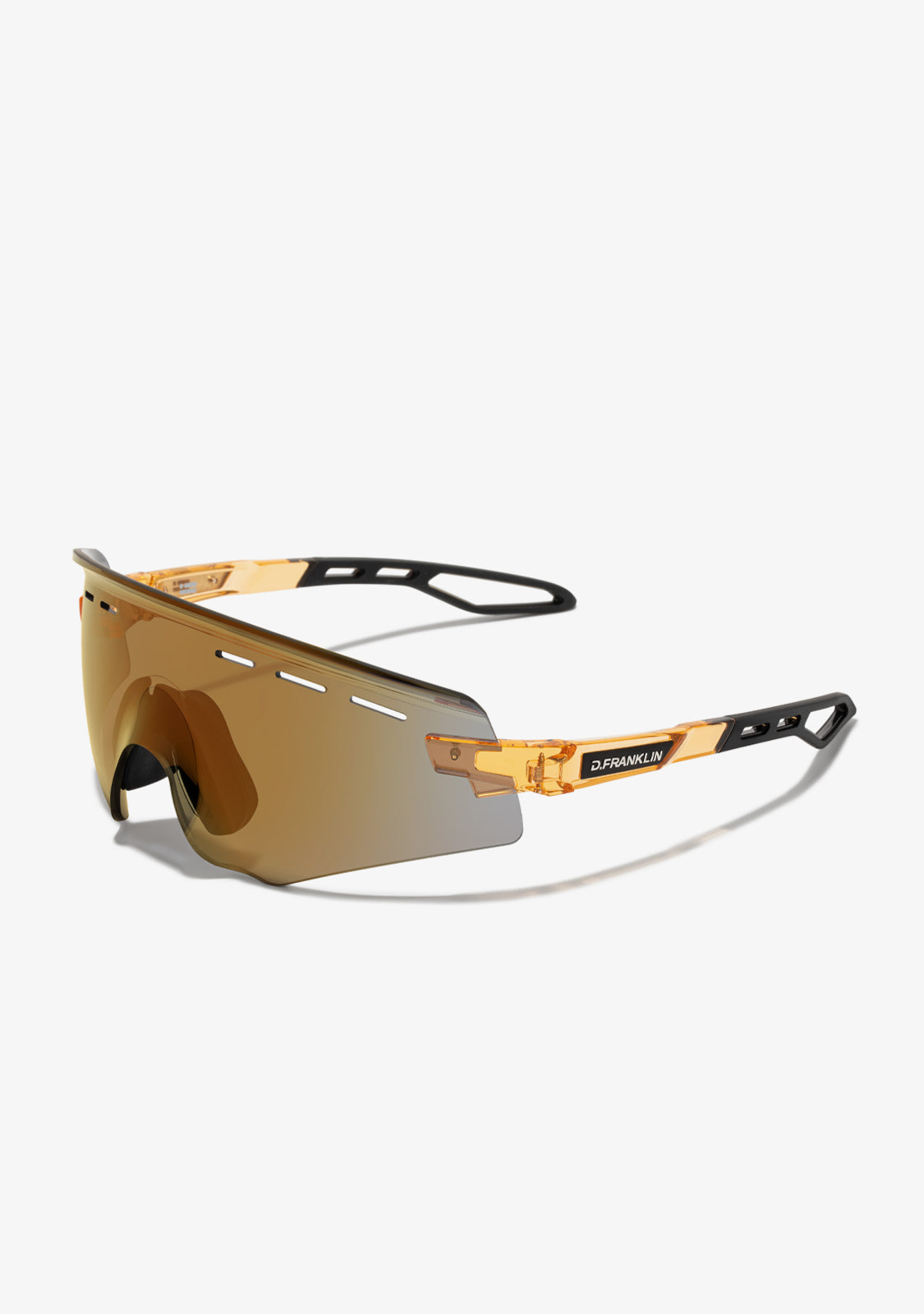


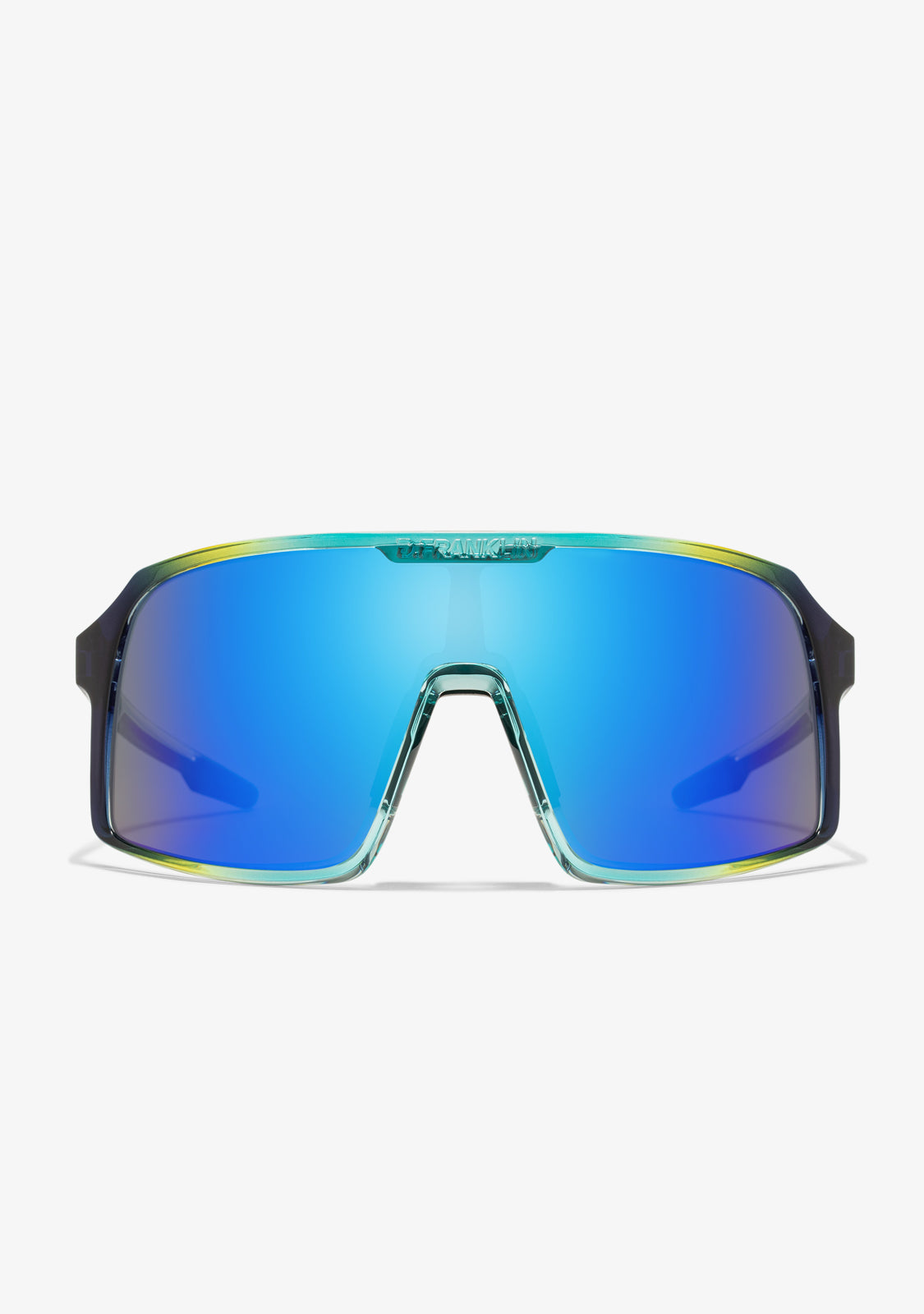
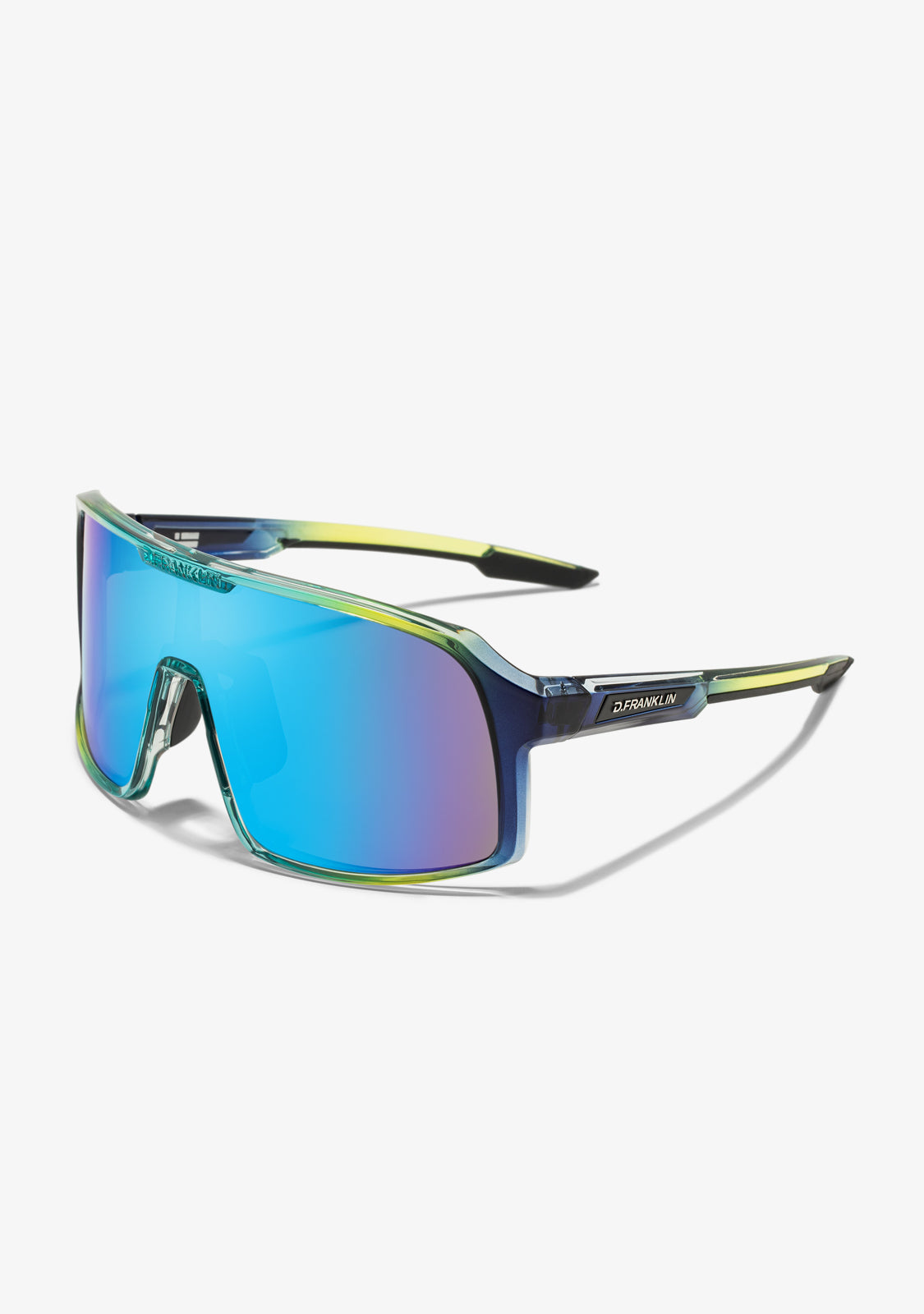

Running sunglasses for roads and trails
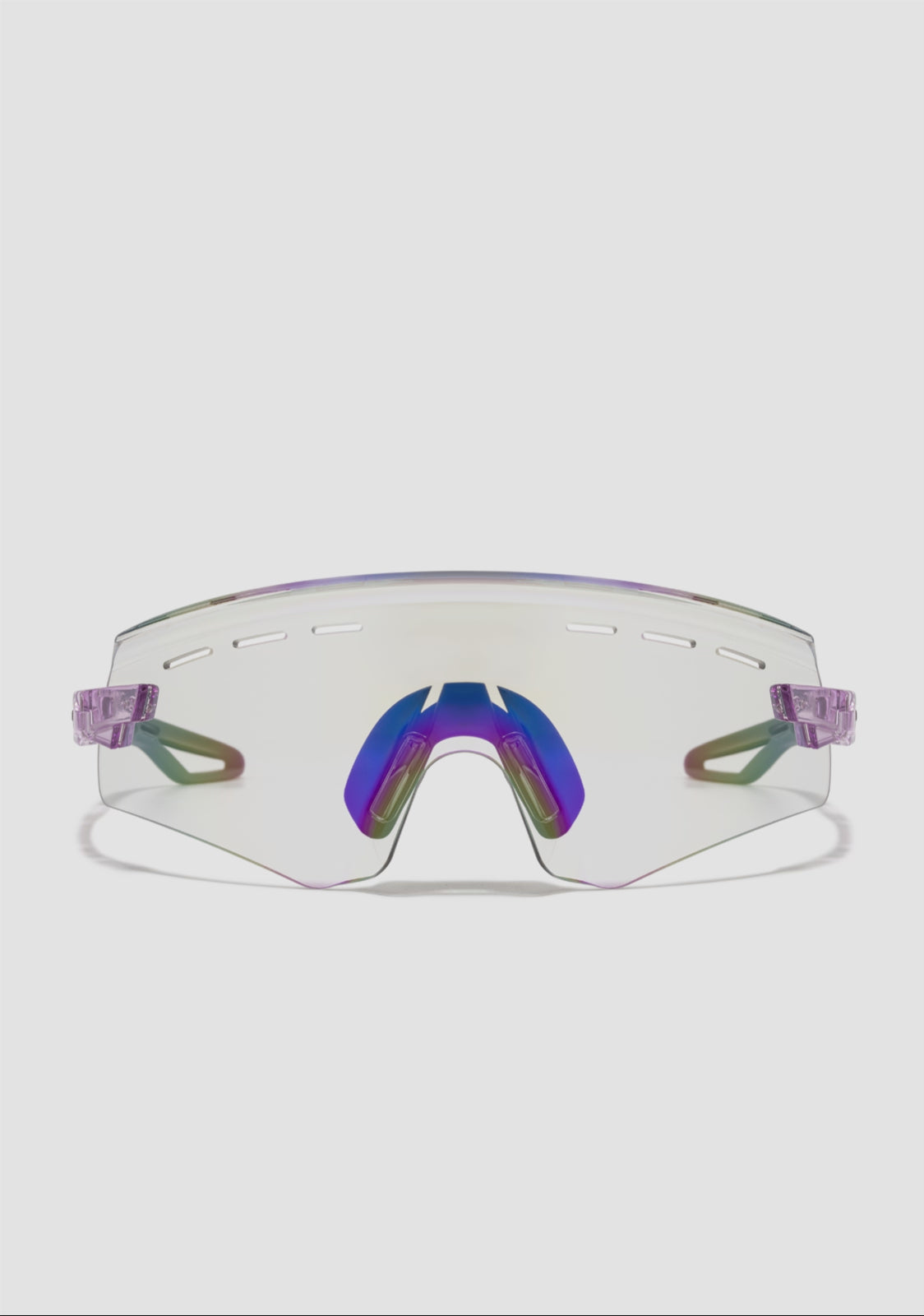
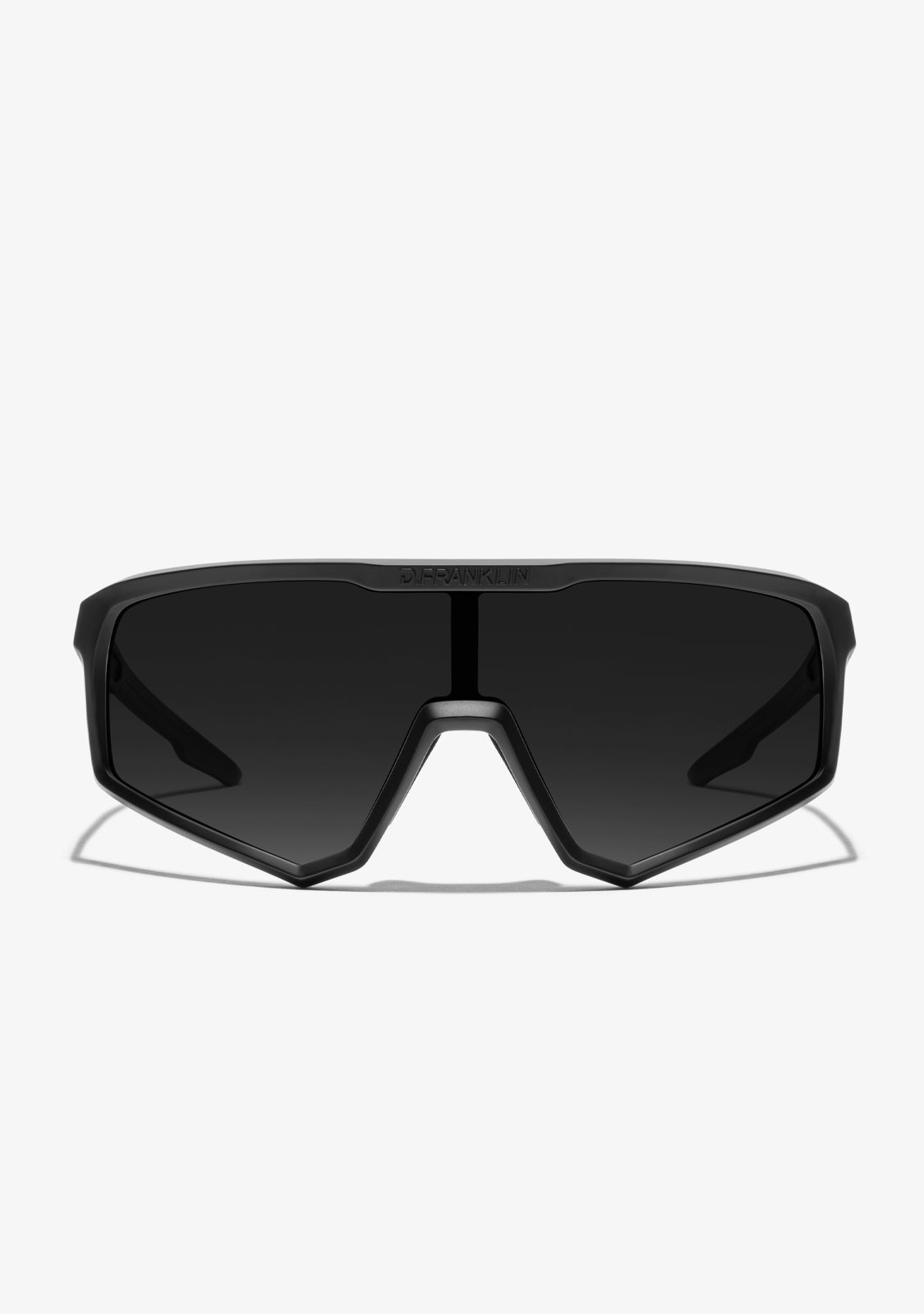
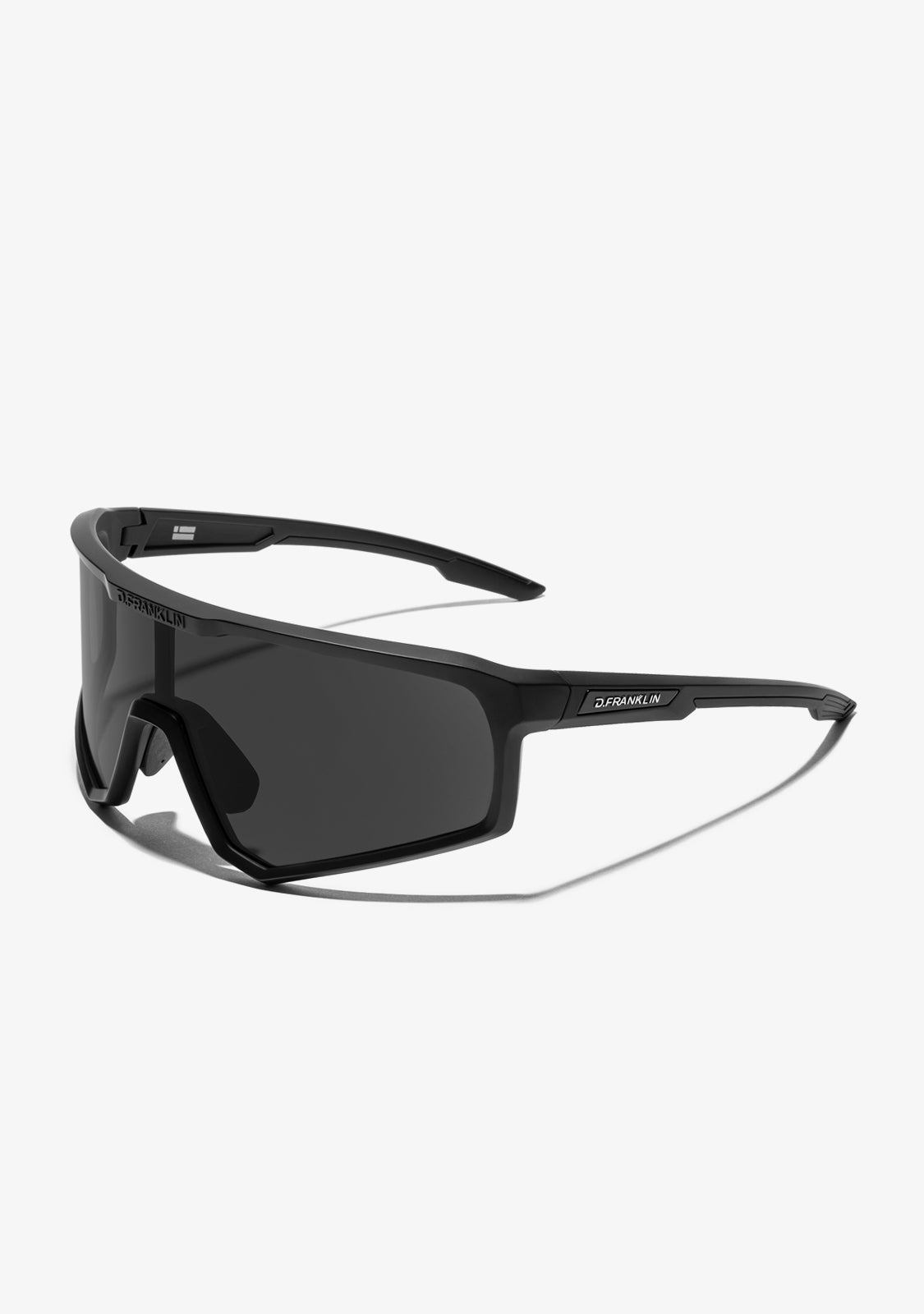
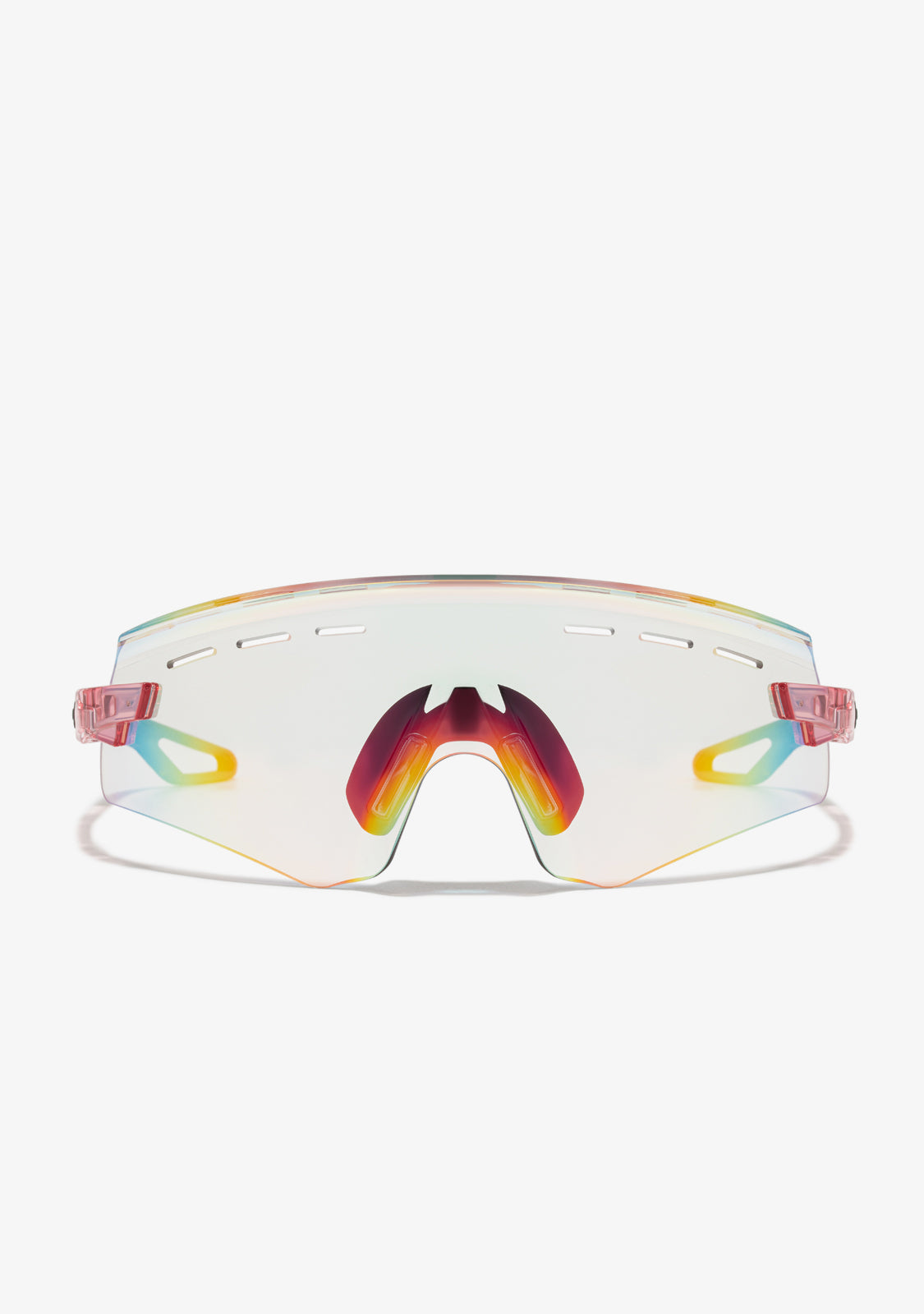
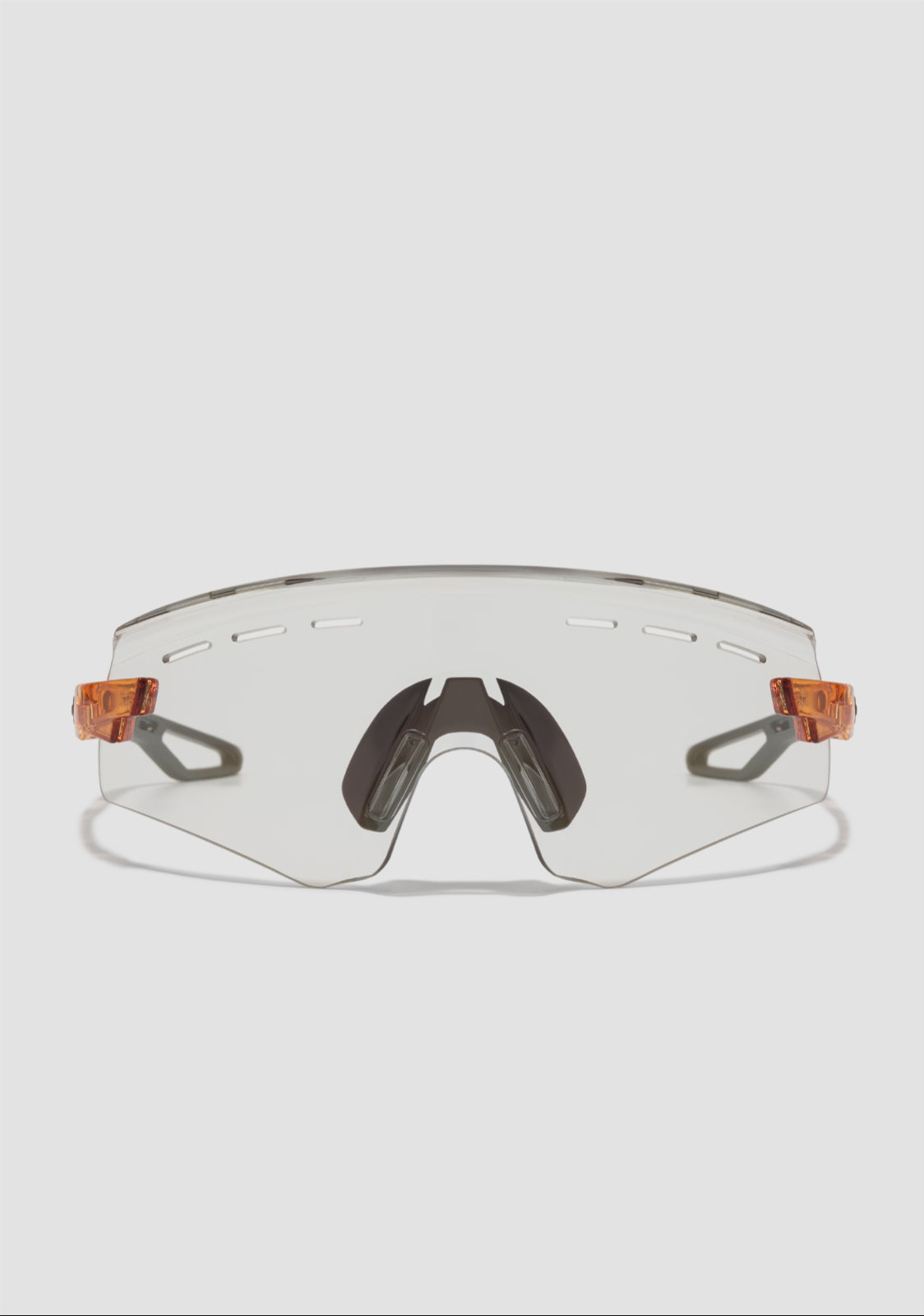
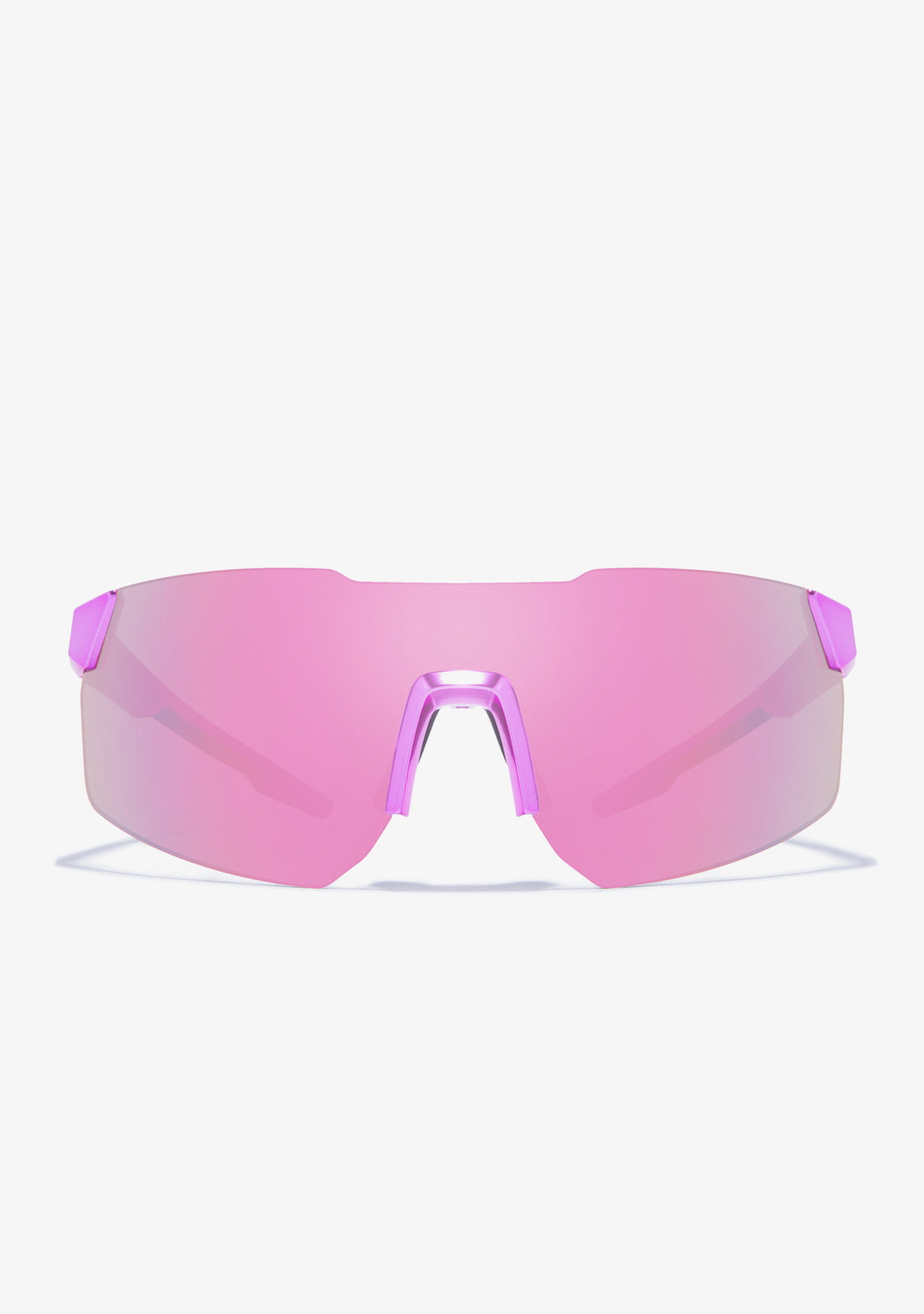
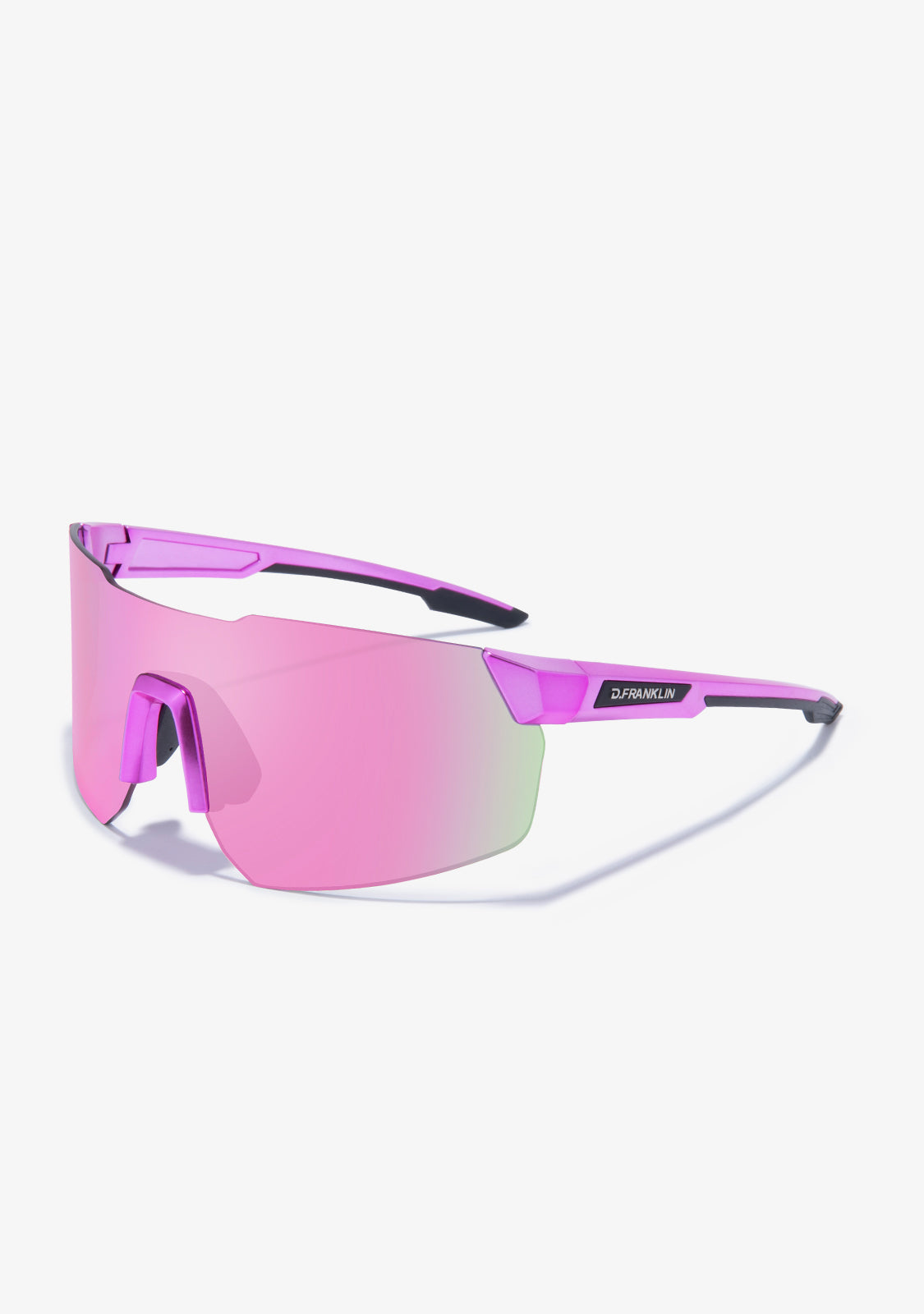
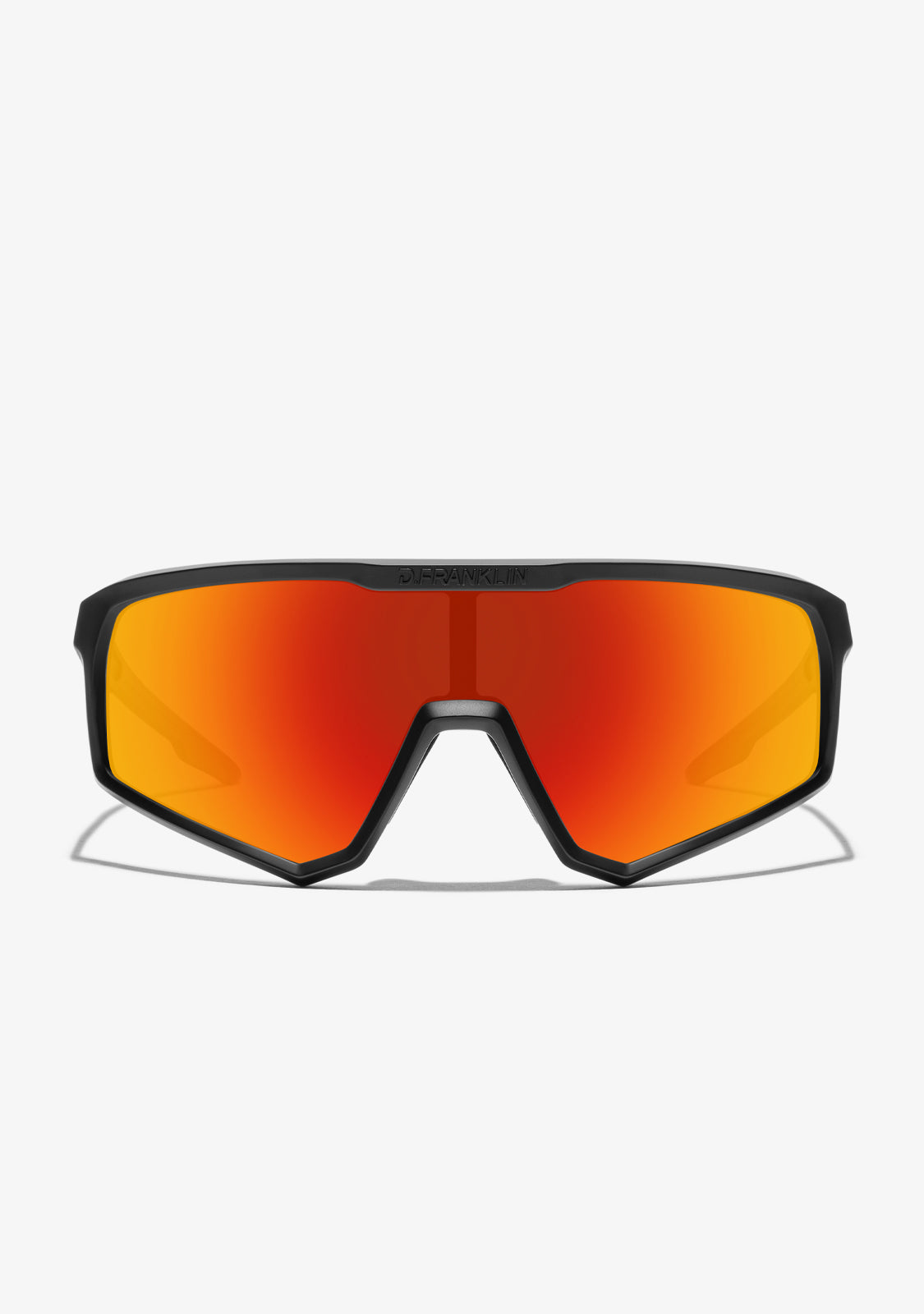
Choose D.Franklin Athletic running sunglasses by combining fit, coverage and lens features. Think about the light on your route and how it changes between open stretches and shade.
A stable frame should move with you without concentrated pressure on your nose or temples. A sporty shape alone does not confirm a lens technology or guarantee the same fit on every face.
Choosing lenses for the light
Polarisation reduces certain reflections, while photochromic lenses change tint within stated conditions and ranges. Compare polarised sports sunglasses and photochromic sports sunglasses for your routes. Check UV protection and filter category separately.
Consider the whole route, not just the light at the start. A run may begin on a shaded street, continue through an open area and finish beneath trees. Compare that situation with the lenses' stated use; an option suited to full sunlight may not perform the same way in darker sections.
Fit while running and with accessories
Tilt and turn your head to see whether the frame moves. If you wear a cap, visor or headphones, try everything together and check for pressure on the temples. Width and bridge contact matter as much as the front shape.
When trying glasses on, reproduce familiar movements: look sideways, lower your head to check your watch and jog gently in a safe place. Notice whether the front bounces, touches your cheeks or changes position. Check clearance from your cap and whether headphones create a shared pressure point with the temples.
Before heading out
- Check lens category and stated conditions of use.
- Test stability without squeezing the sides of your head.
- Clean away dust and marks from the lenses.
- Consider changes in light along the route and your starting time.
Cleaning after a run
Remove particles before wiping and follow the instructions for lenses and contact pads. Let the glasses dry before putting them in their case. For other training frames, explore men's sports sunglasses.
Questions about running sunglasses
What should I check if lenses fog during a run?
Check that the frame is not too close to your face and follow the design's ventilation and care guidance. Clean the contact points and avoid anti-fog products without confirmed compatibility. A mirrored finish or polarisation alone does not establish an anti-fog treatment.
Are polarised and photochromic lenses the same?
No. Polarisation reduces reflections and photochromic technology changes lens tint. The two features can be combined, but neither automatically implies the other.
What should I check for routes through sun and shade?
Read the filter category and, for photochromic lenses, the declared range and conditions. Different options do not all become equally clear or change tint in the same way.
How can I stop sunglasses slipping?
Check that the bridge and temples suit your face and keep the contact pads clean. Tightening an ill-fitting frame does not replace choosing suitable dimensions.
Can I wear them with a cap or headphones?
Yes, if the combination fits. Try them together and move your head: neither accessory should displace the frame or press against its temples.
Are running sunglasses suitable at any time of day?
That depends on the lens and its intended conditions. Do not assume dark or photochromic lenses suit low light; check the category and specific instructions.
How should I clean them after running?
Follow the manufacturer's instructions, remove particles first and use a clean microfibre cloth. Let the contact pads dry before storing the glasses and avoid wiping lenses with your shirt.
You may also like
Sunglasses