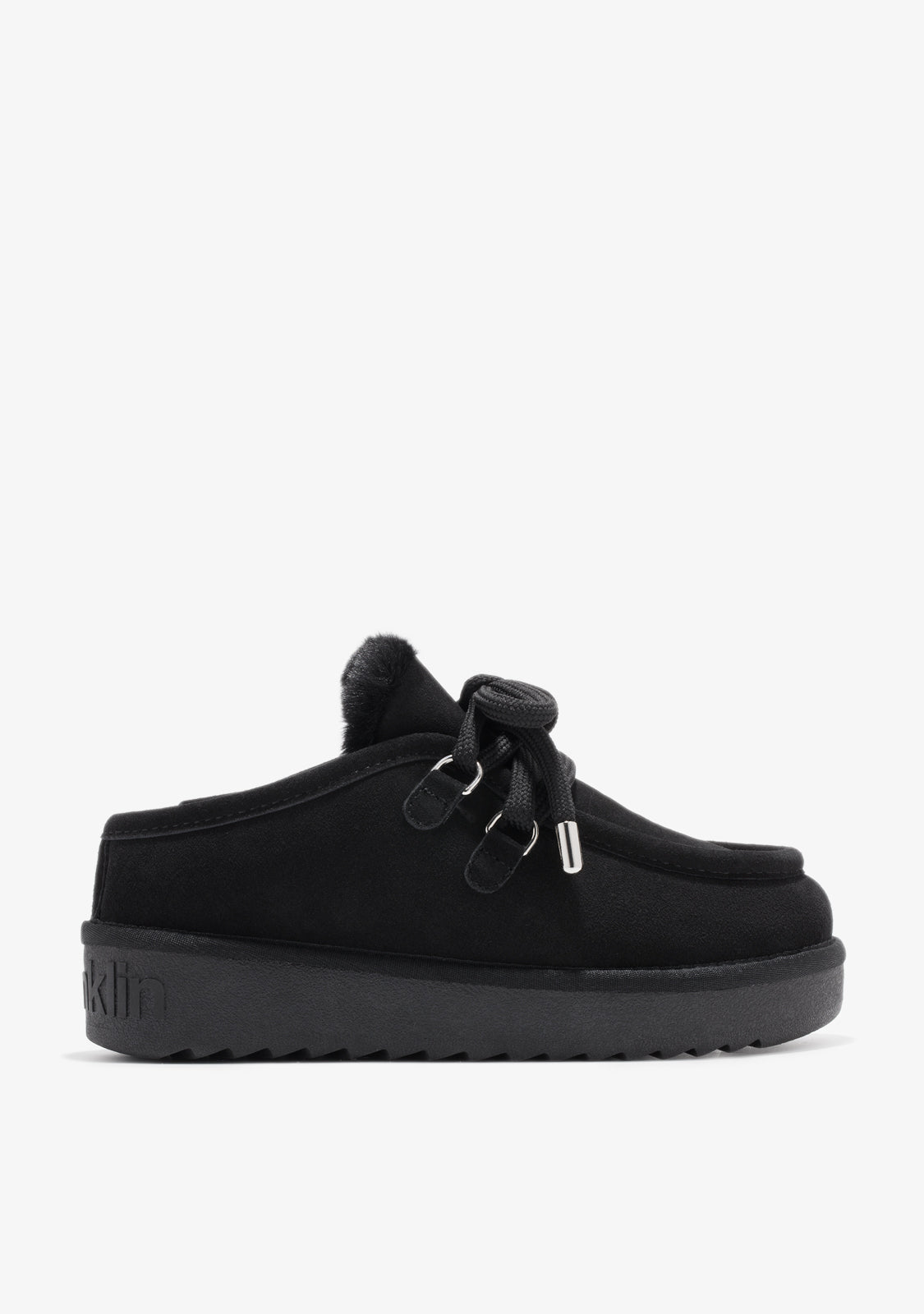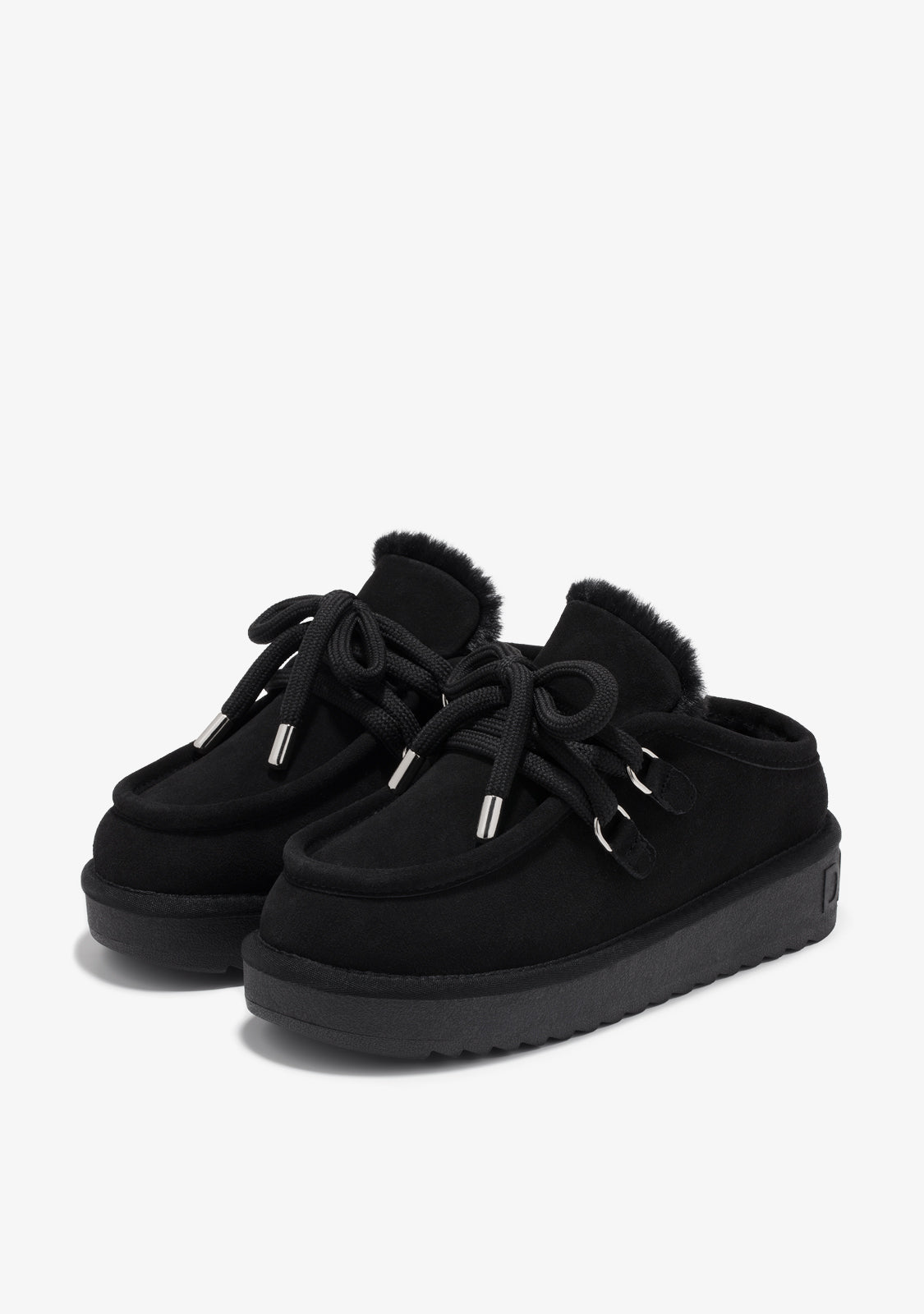

New Women's Footwear
Filter
Order


New Women's Footwear
Compare D.Franklin footwear by silhouette and use: an enclosed trainer, a boot and an open sandal provide different coverage. Check the current selection in your size, then compare fastening, upper material and sole proportions. Seasonal labels do not mean every design has the same warmth or support.

Read moreRead less
Trainers to wear with trousers and dresses
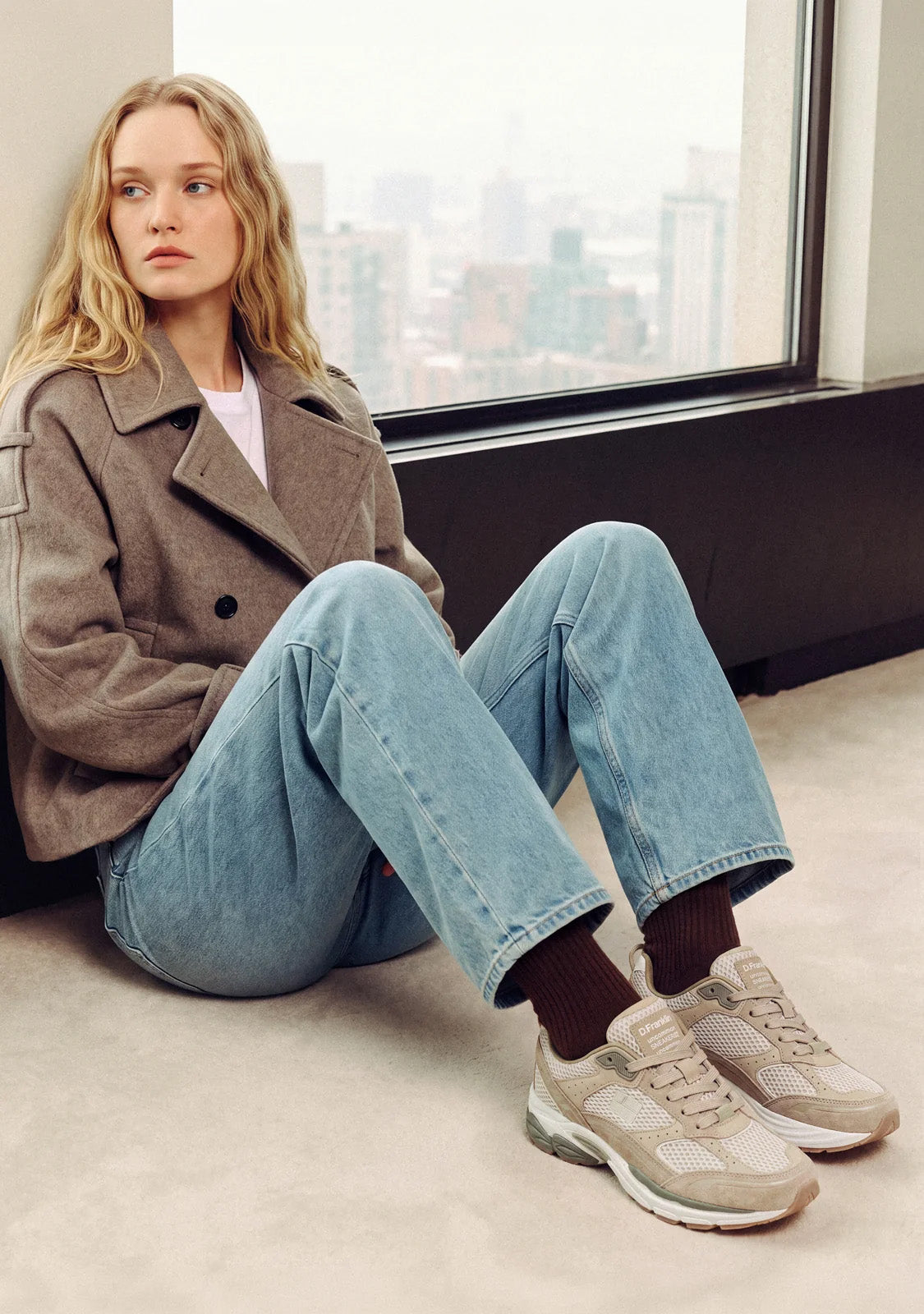
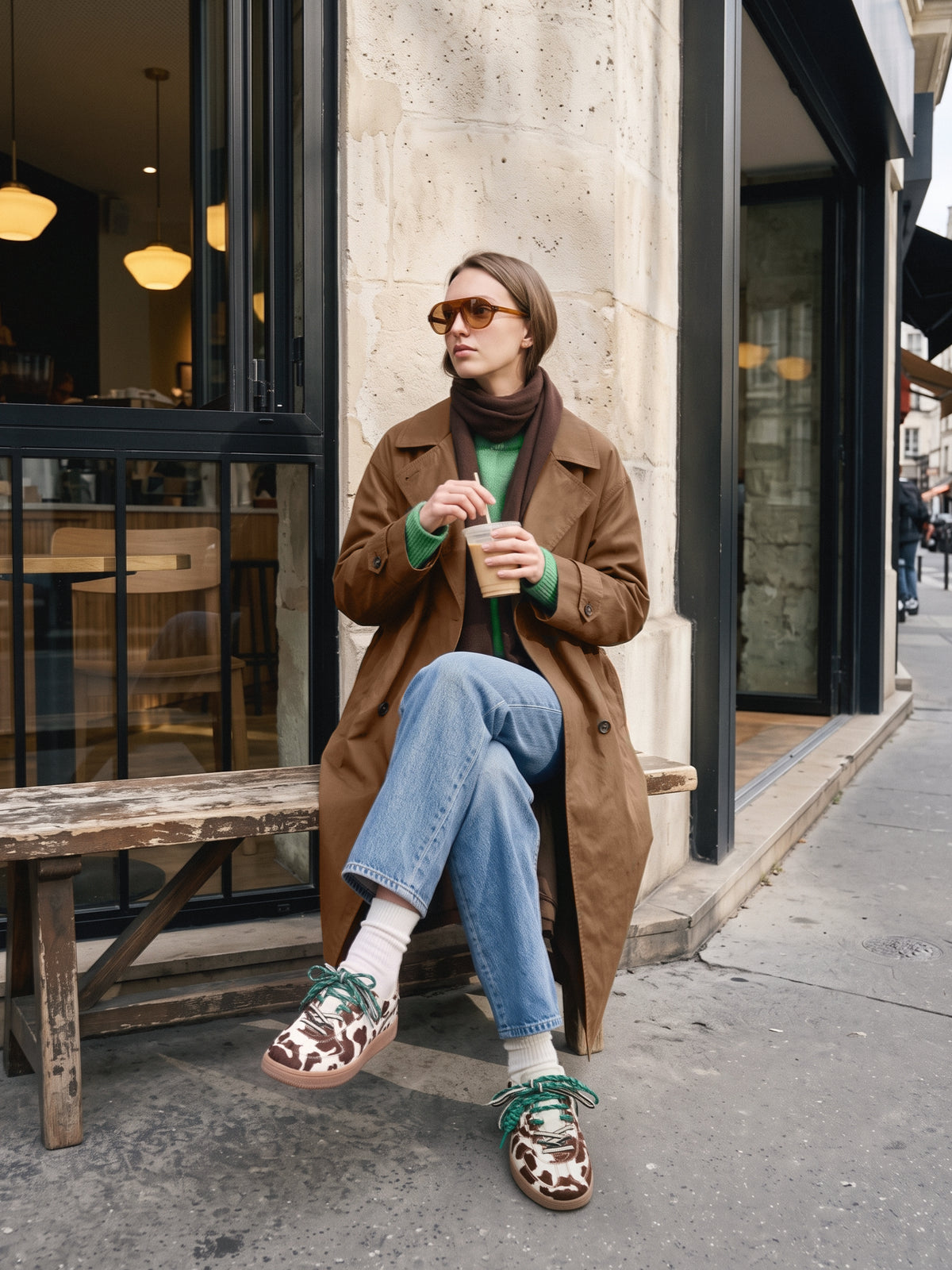
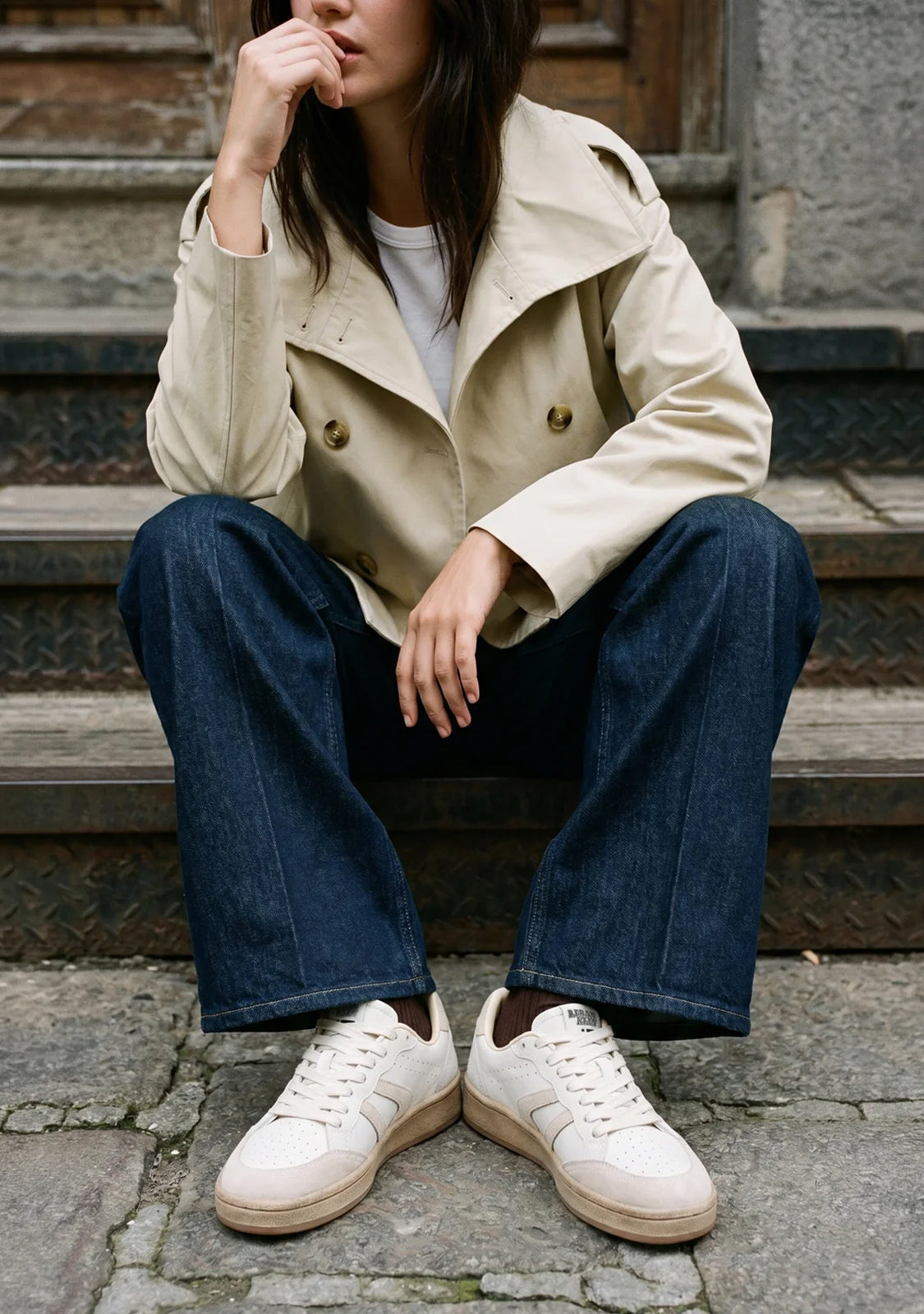
Explore women's trainers to contrast flowing clothes with sporty shapes. A midi dress shows off a trainer's design, while wide trousers can cover part of the instep. Check the hem length so it does not drag on the ground.
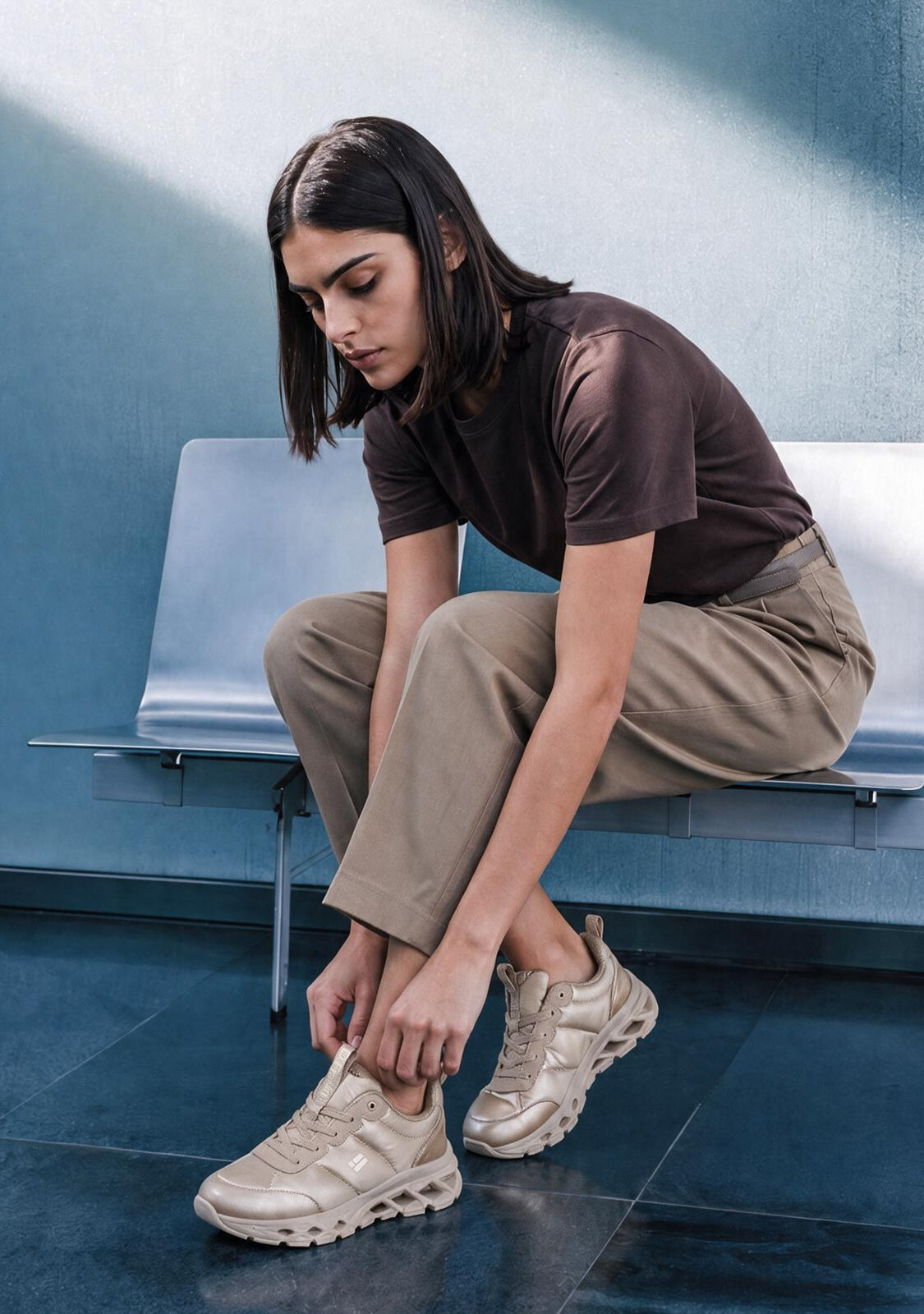
Platform trainers give the sole more visual presence. Compare its height, flexibility and instep hold; with wide trousers, adjust the hem length so it does not brush the ground.
Boots for cooler days and sandals for warm weather
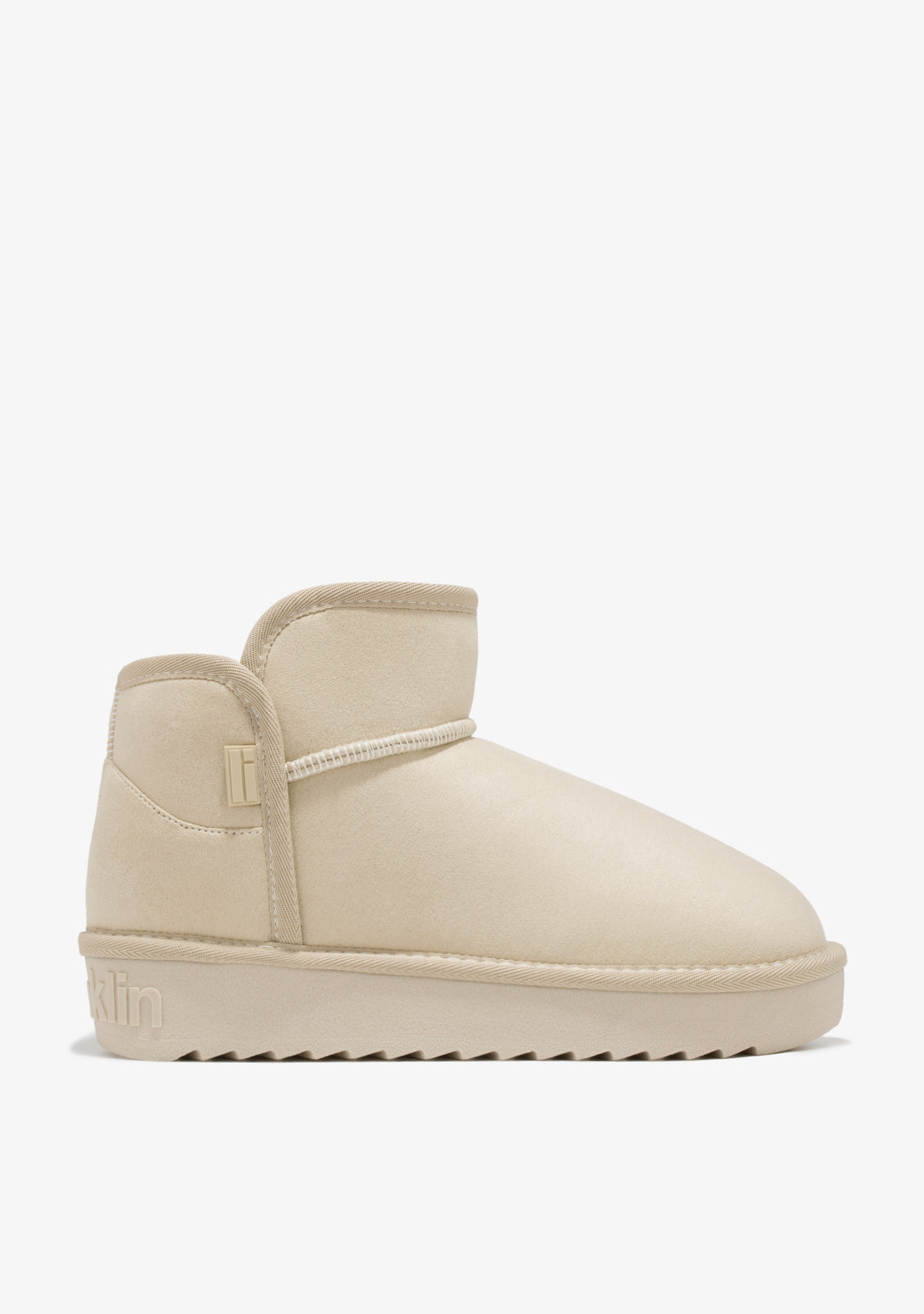
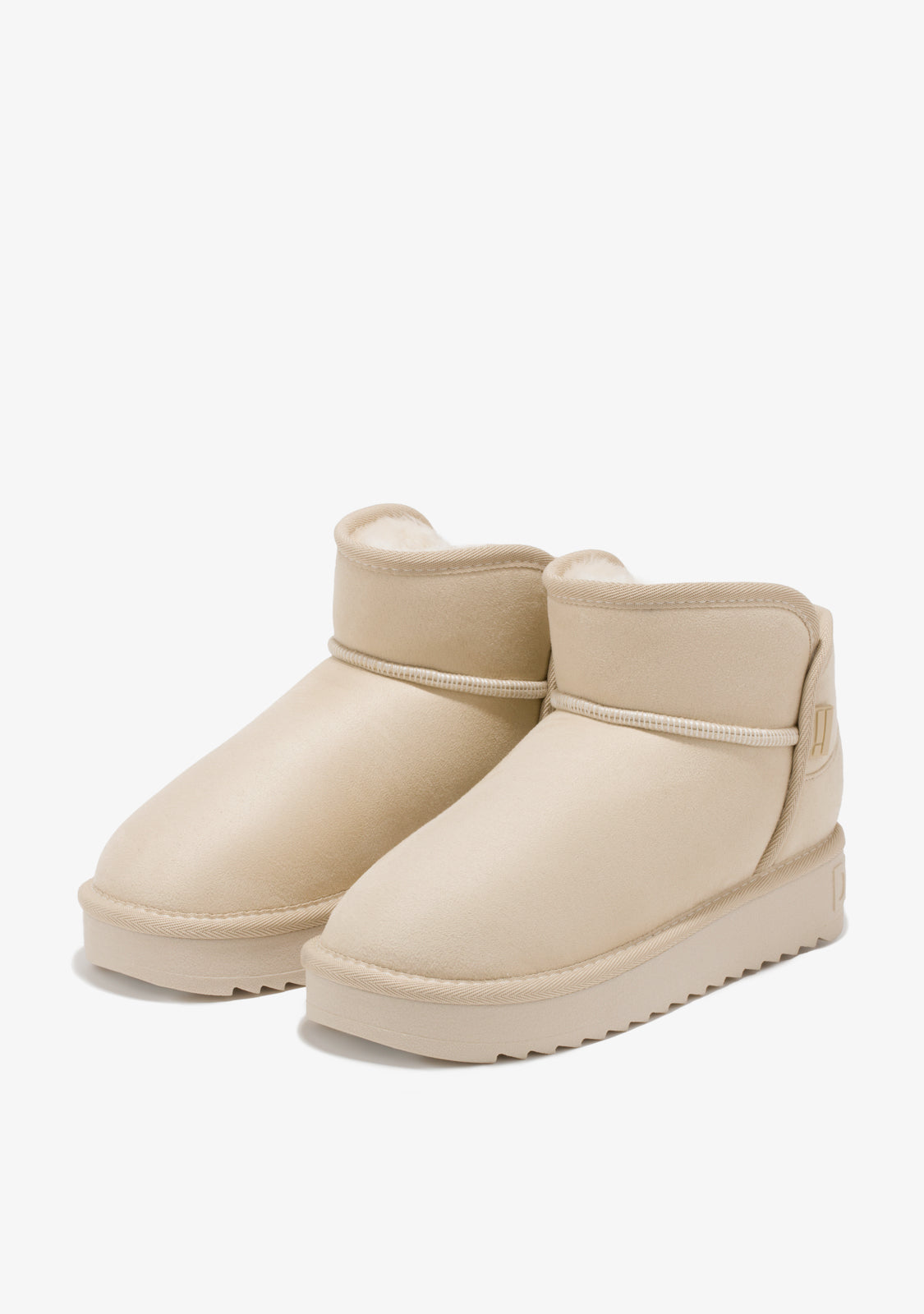
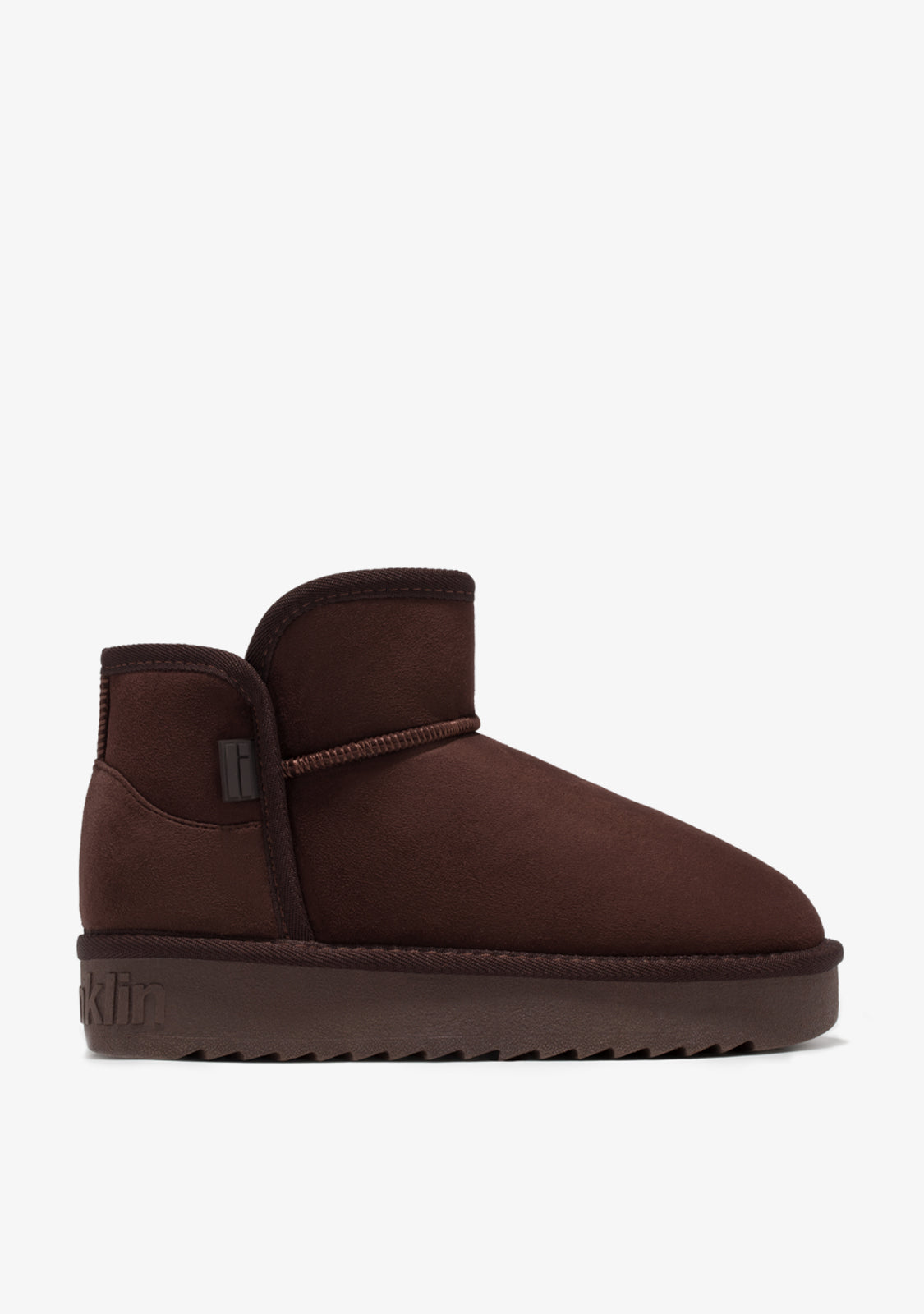
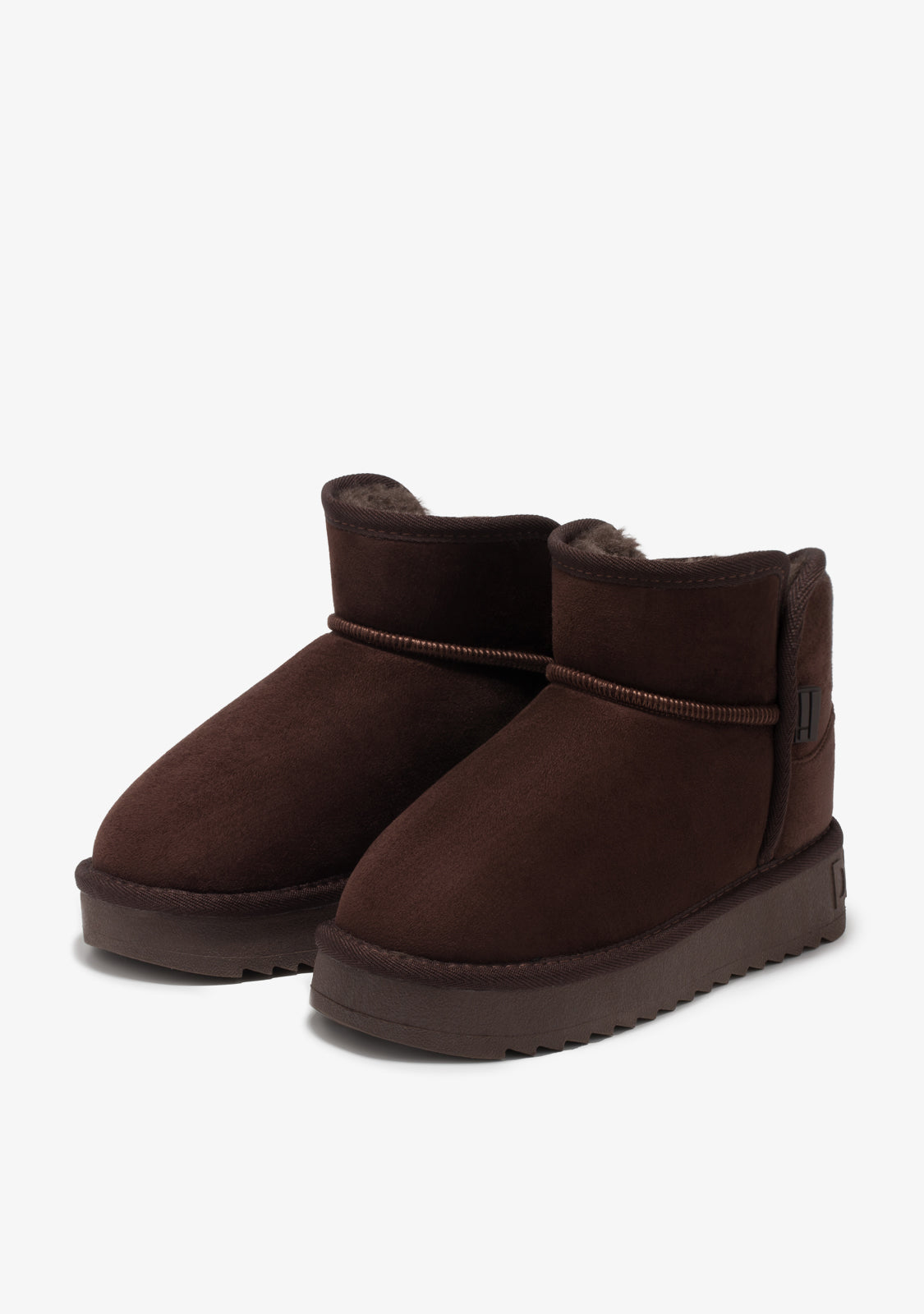
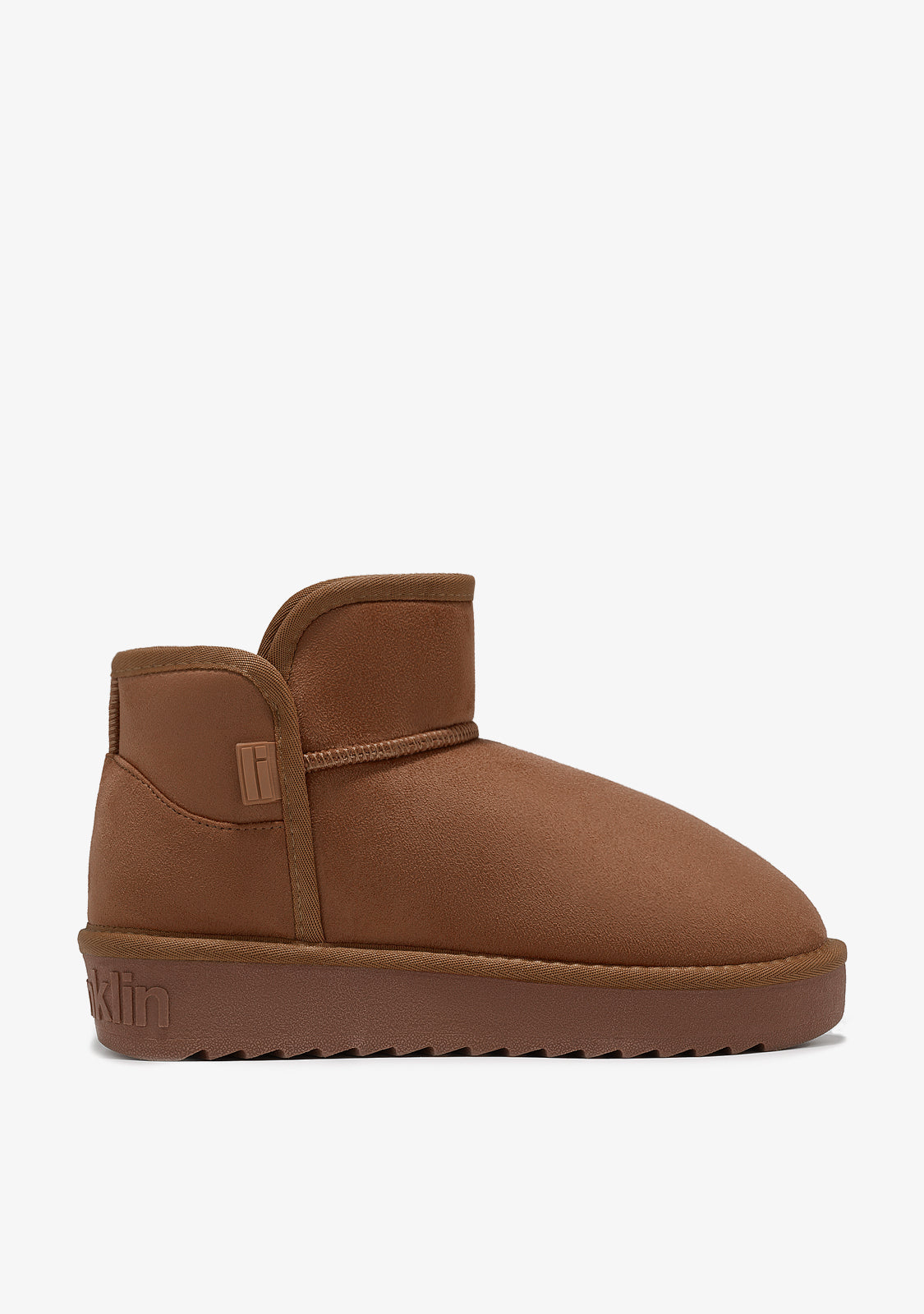
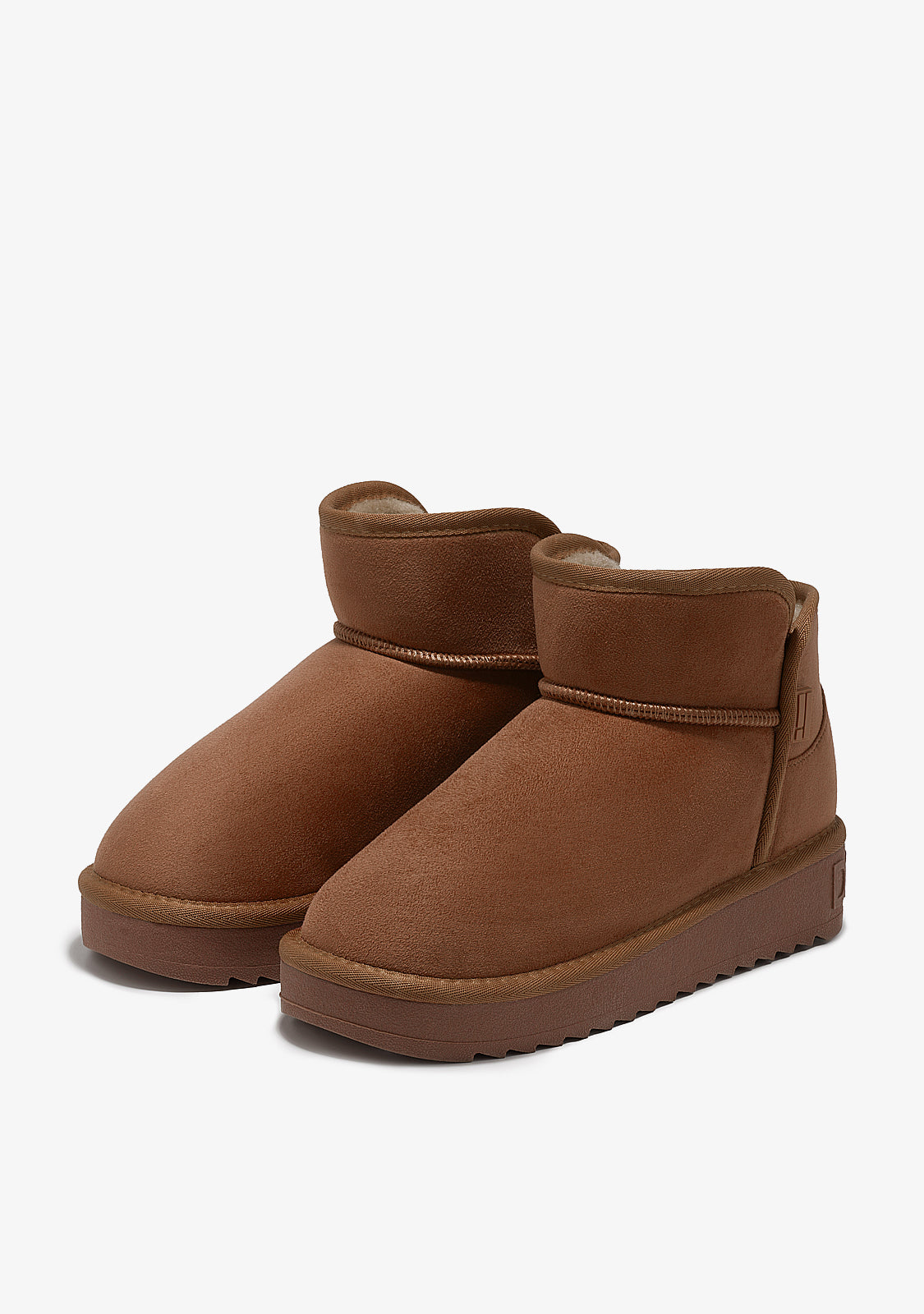
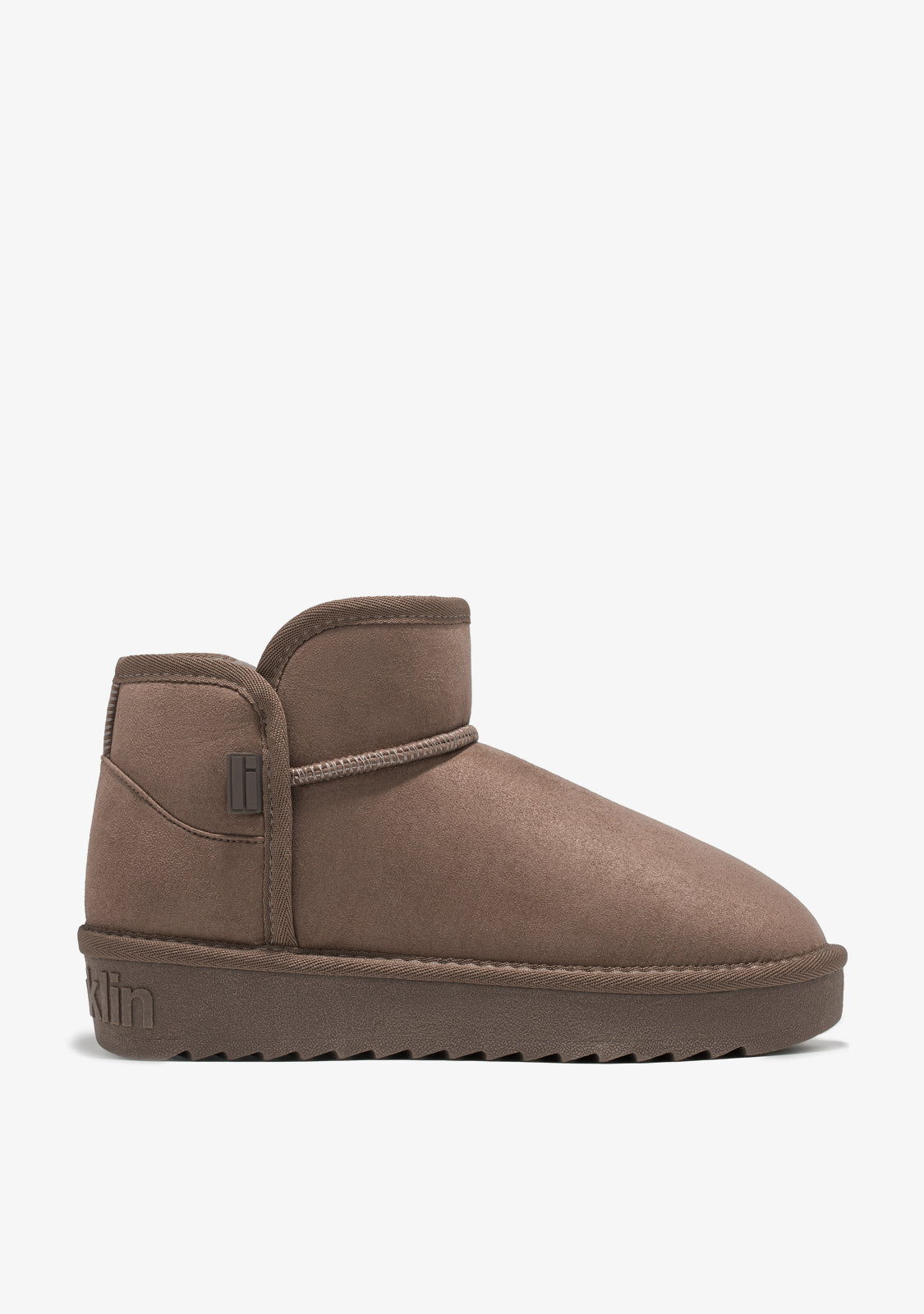
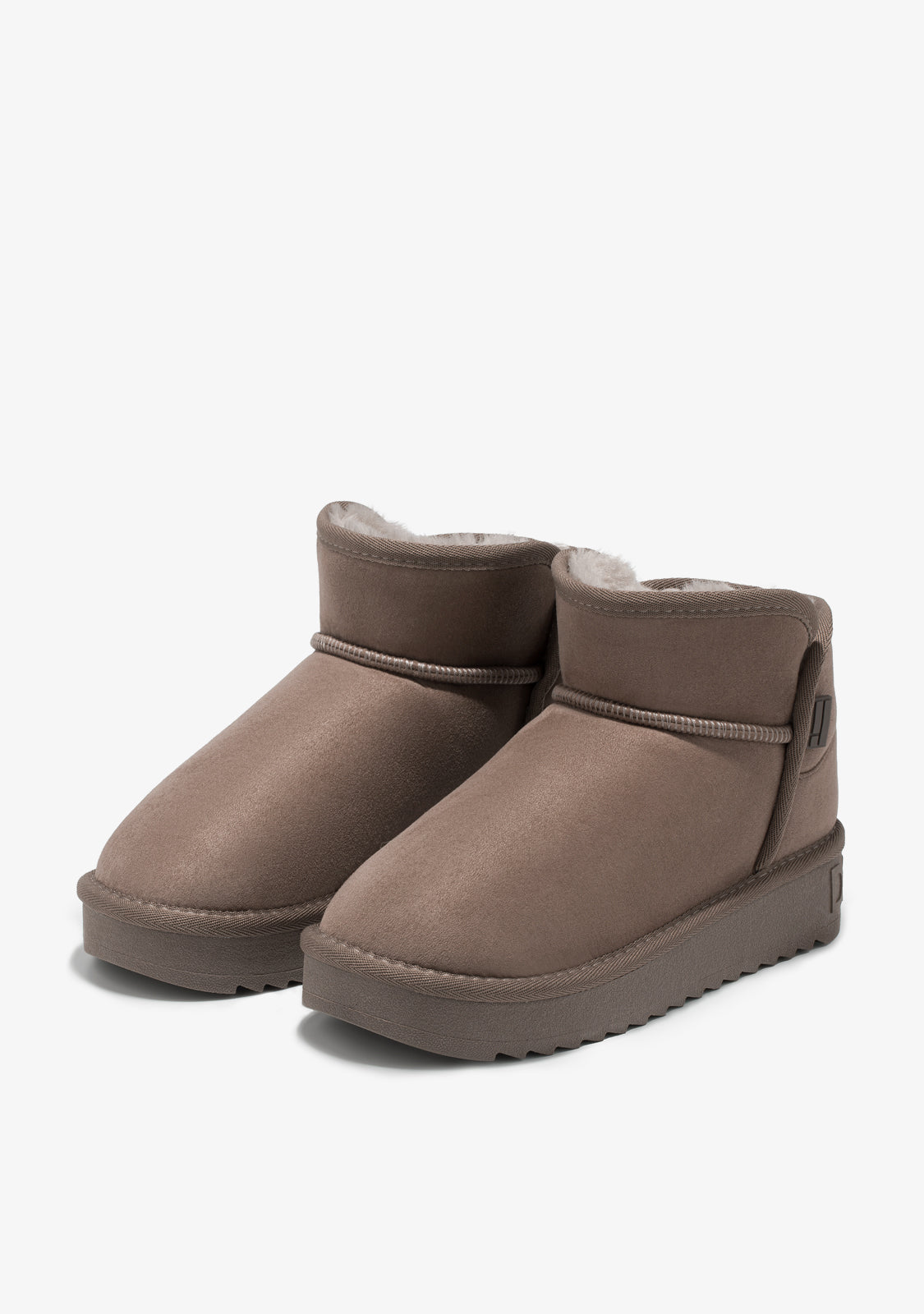
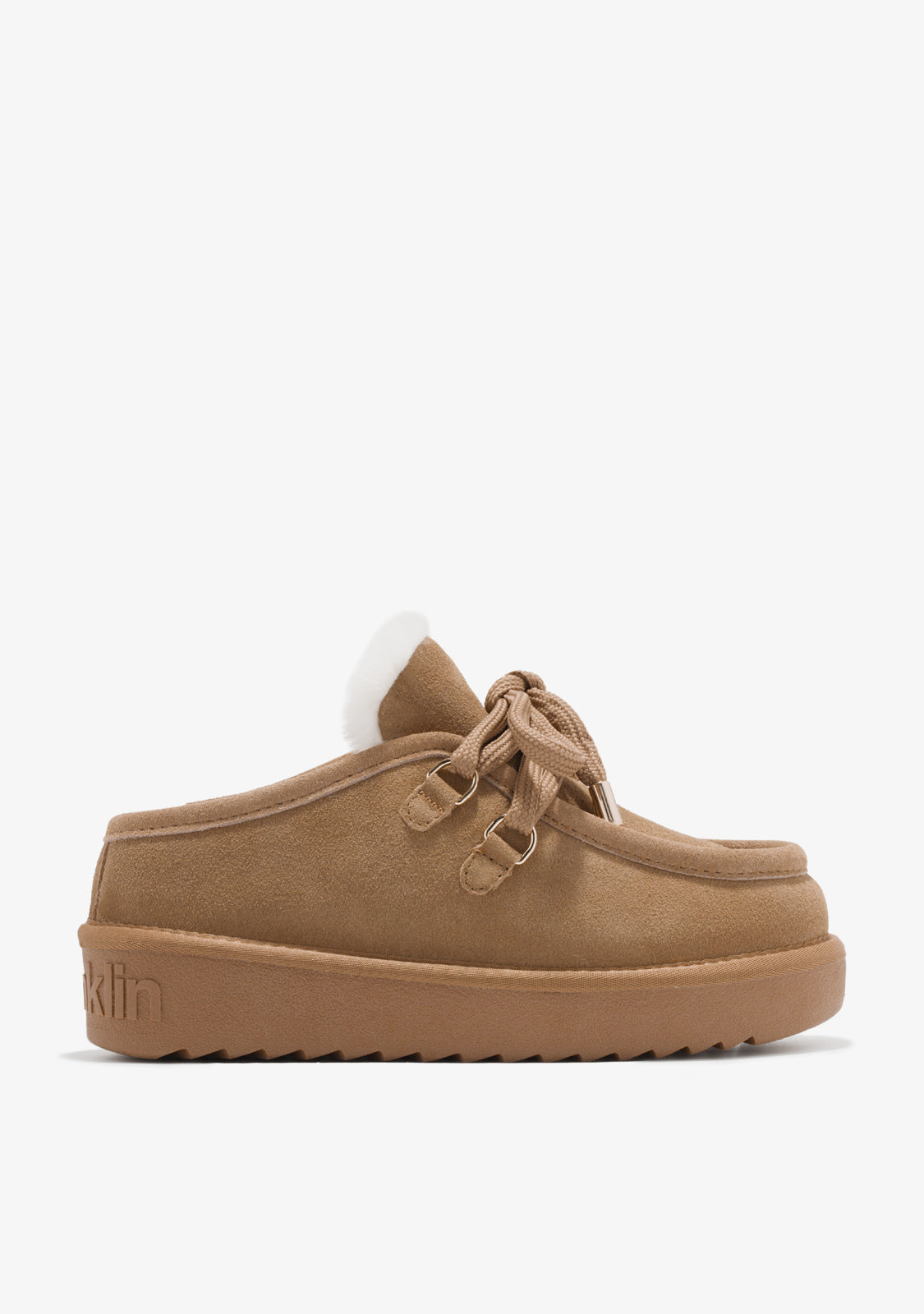
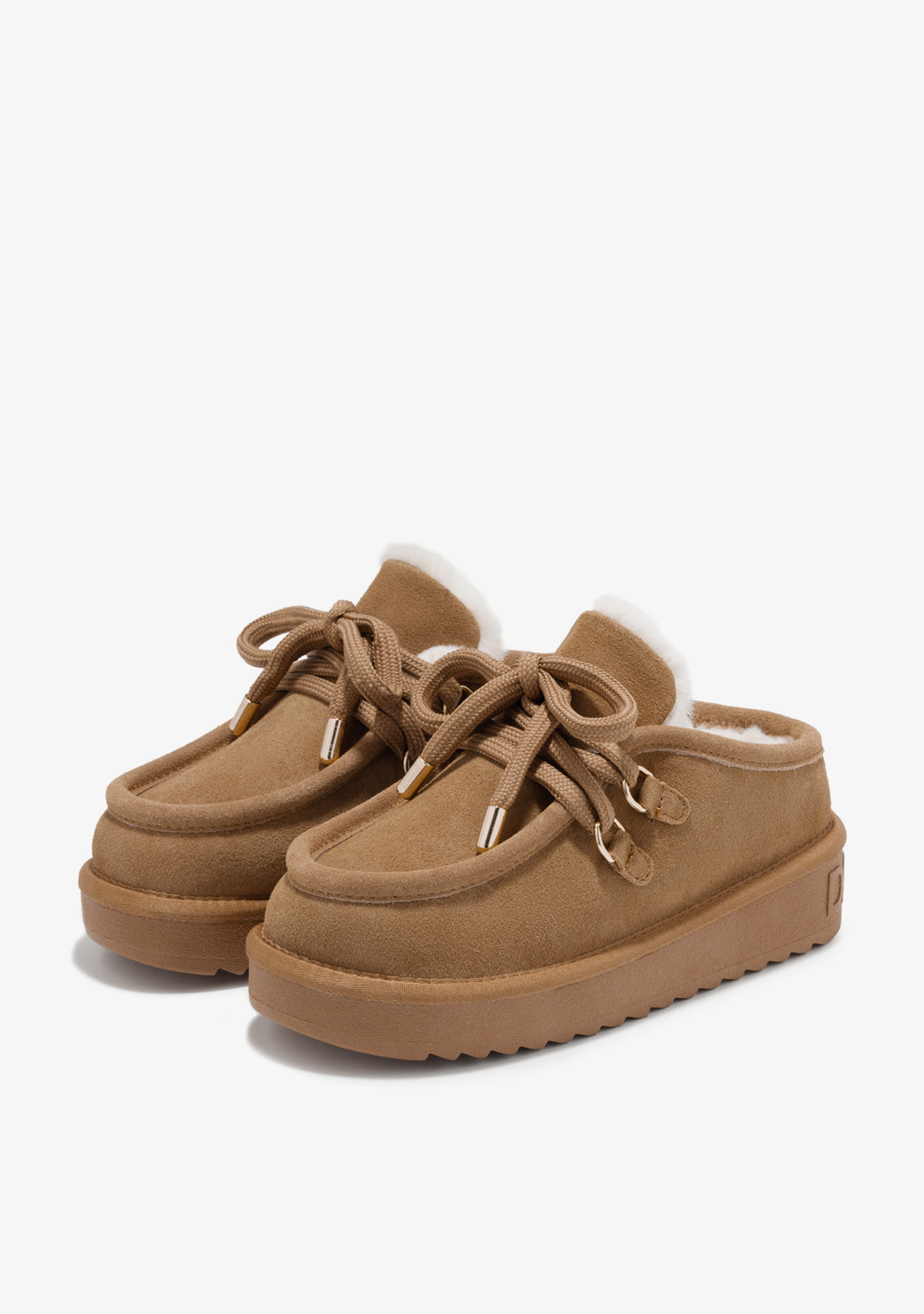
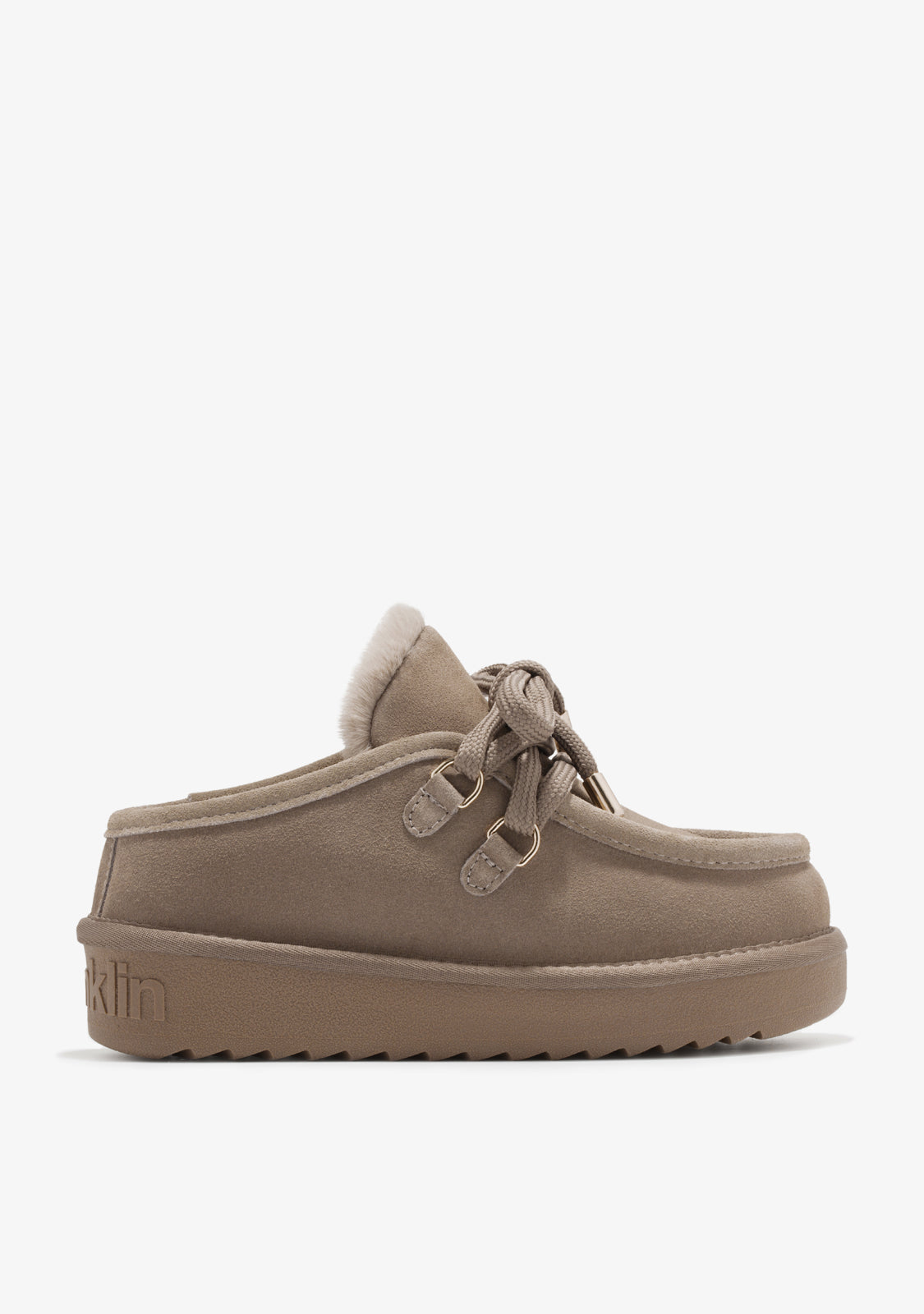
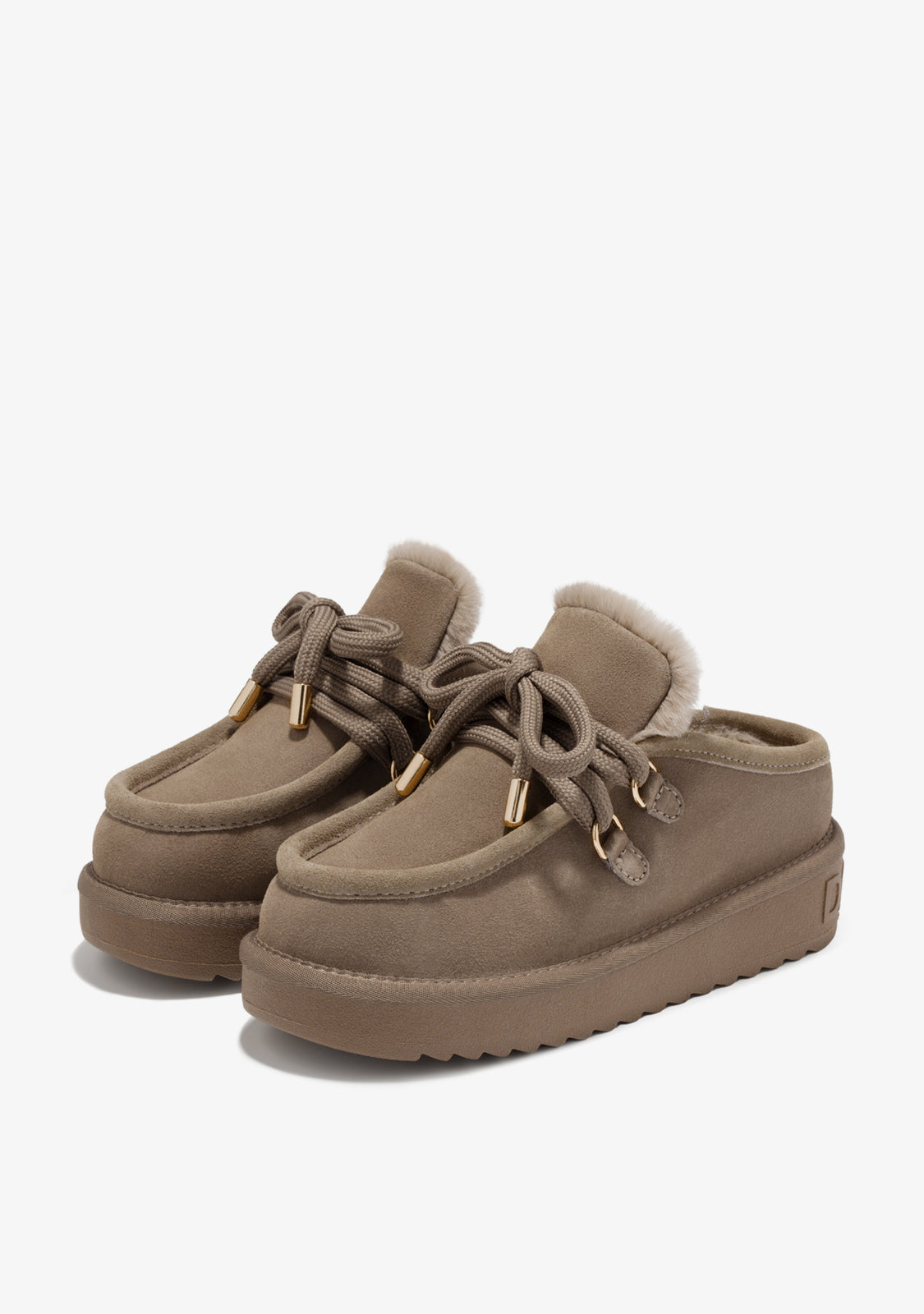
When choosing lined footwear, compare which interior areas the lining covers and how your foot fits with socks. A fluffy appearance does not identify its composition; check the upper, lining and insole separately. Explore also: women's boots
When choosing between sandals and clogs, compare toe coverage and how they hold the instep. A buckle allows adjustment where fitted; also check sole height and the space around your heel. Explore also: women's sandals
Caring for the finish
Remove surface dirt before putting footwear away, and let damp shoes air-dry. Suede needs a suitable brush and gentle cleaning without soaking. For synthetic styles, check the product's care instructions before applying cleaners. Avoid direct heat when drying and follow any maintenance guidance for a water-repellent finish.
Four details to help you choose
Shape: decide whether you want a low shaft, a more exposed foot or a visible platform.
Hold: compare laces, buckles and slip-on designs according to how you prefer to put on and adjust your shoes.
Size: measure both feet and use the model's size guide with the socks you plan to wear.
Composition: check the upper, lining and sole separately; similar finishes do not necessarily use the same material.
Compare related collections
Frequently asked questions
How do I choose trainers to wear with dresses?
With dresses and skirts, low-profile trainers keep volume restrained, while platforms emphasise the base of the outfit. Choose colours according to whether you want the footwear to stand out or blend with your clothing.
What should I check when choosing platforms?
A platform adds height and visual volume. Compare sole thickness, heel-to-toe height difference and foot hold; check how it flexes when walking and adjust your trouser length accordingly.
What should I consider for footwear on colder days?
When choosing lined footwear, compare which interior areas the lining covers and how your foot fits with socks. A fluffy appearance does not identify its composition; check the upper, lining and insole separately.
Does a warm lining guarantee protection from rain?
A lining and a thick sole do not guarantee waterproofing. A water-repellent finish is also different from waterproof construction; for prolonged rain, look for an explicit statement that the footwear is intended for that use.
How do I choose a size if mine varies between brands?
Measure both feet and compare the longer foot with the model's size guide instead of automatically using your size from another brand. Check that your toes have room and your heel stays held when walking.
What is the difference between a sandal and a clog?
Sandals usually expose more of the foot, while a clog can cover the toes and leave the heel open. Compare coverage, strap position and each design's fastening. A buckle adjusts its contact area but does not change the base size.
Can I clean suede and synthetic materials in the same way?
Do not assume the same method suits both materials. Use a specialist brush for suede and avoid soaking it. For synthetic materials, follow the model's instructions and test any cleaner on an inconspicuous area.