You may also like
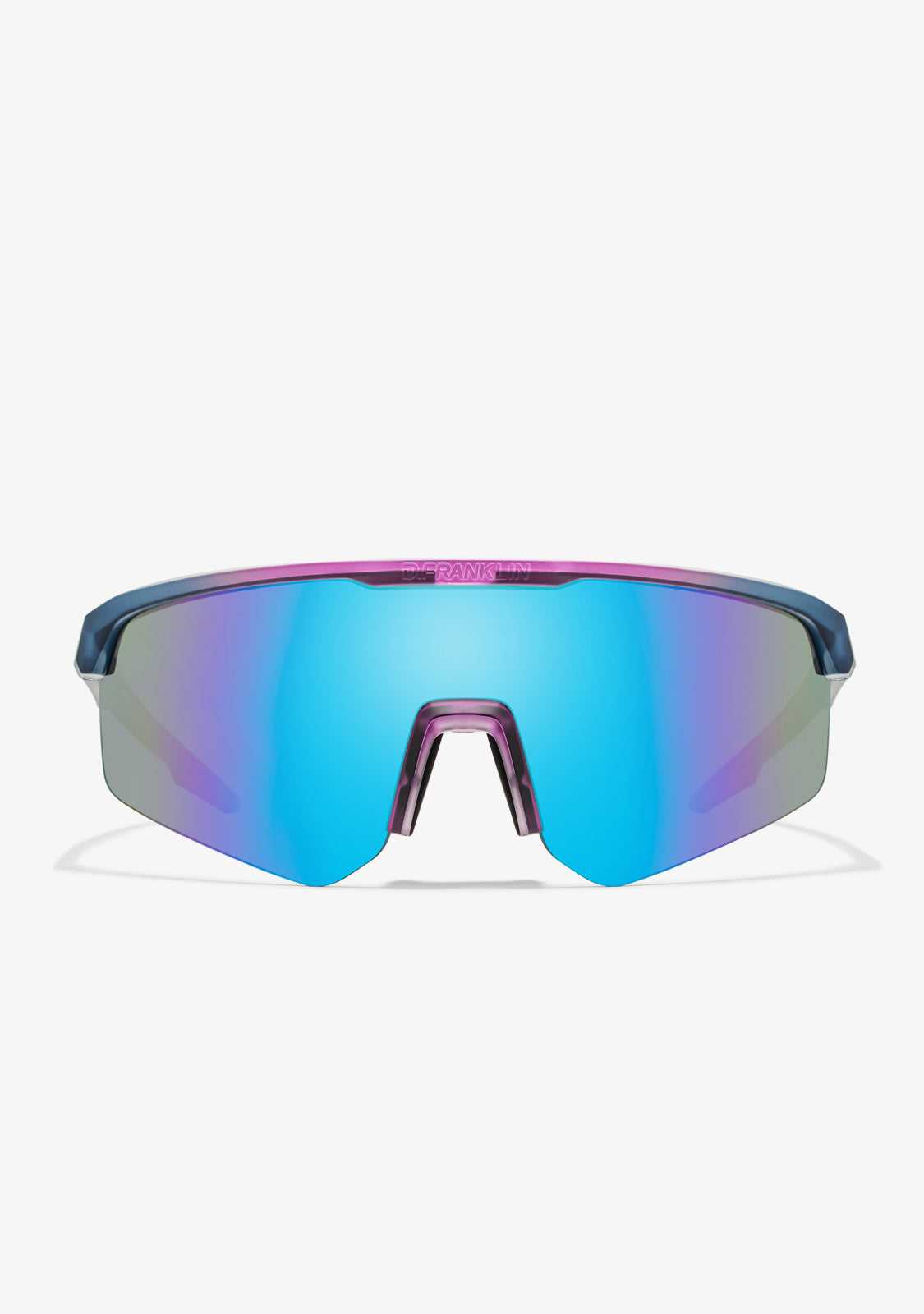
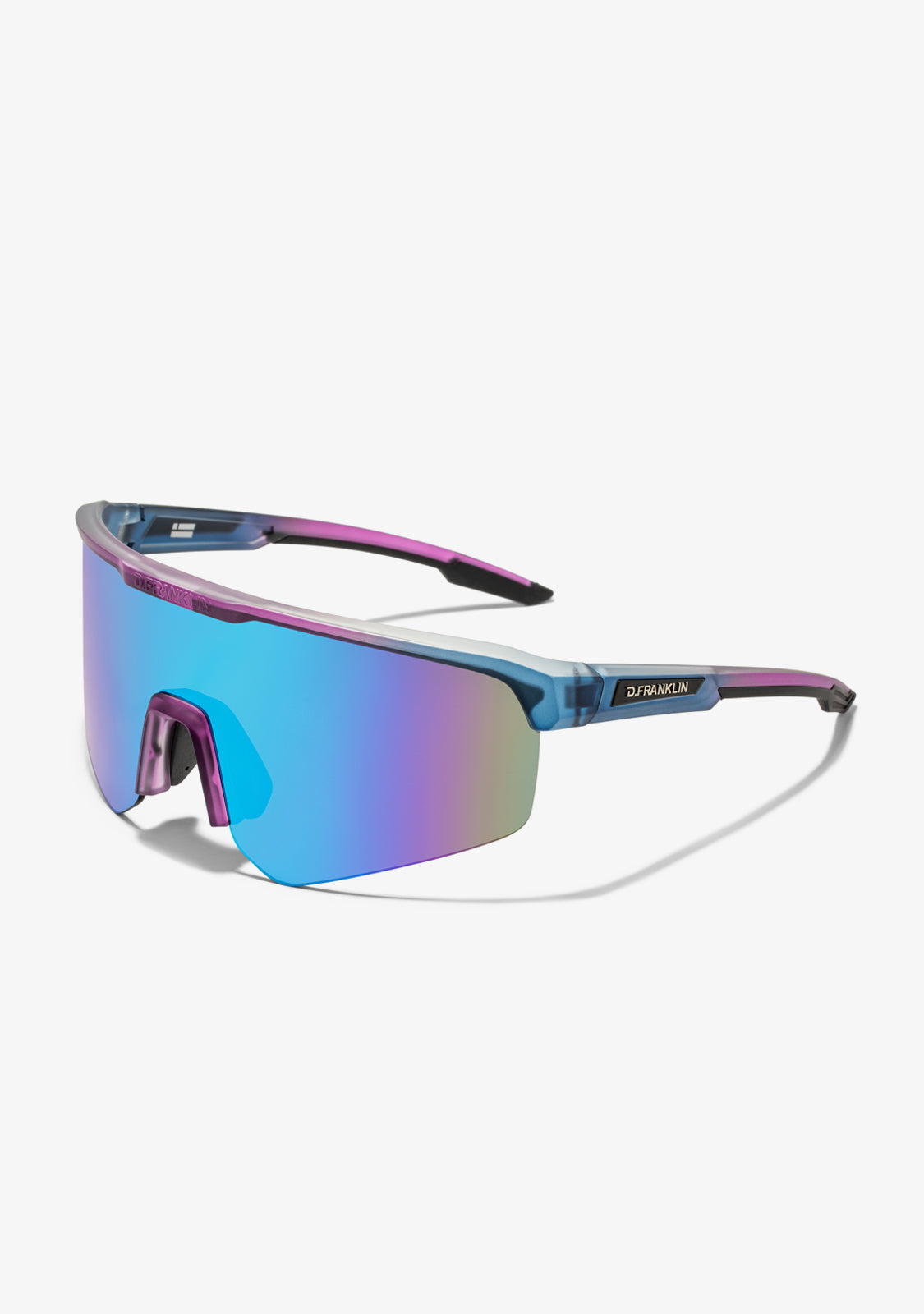


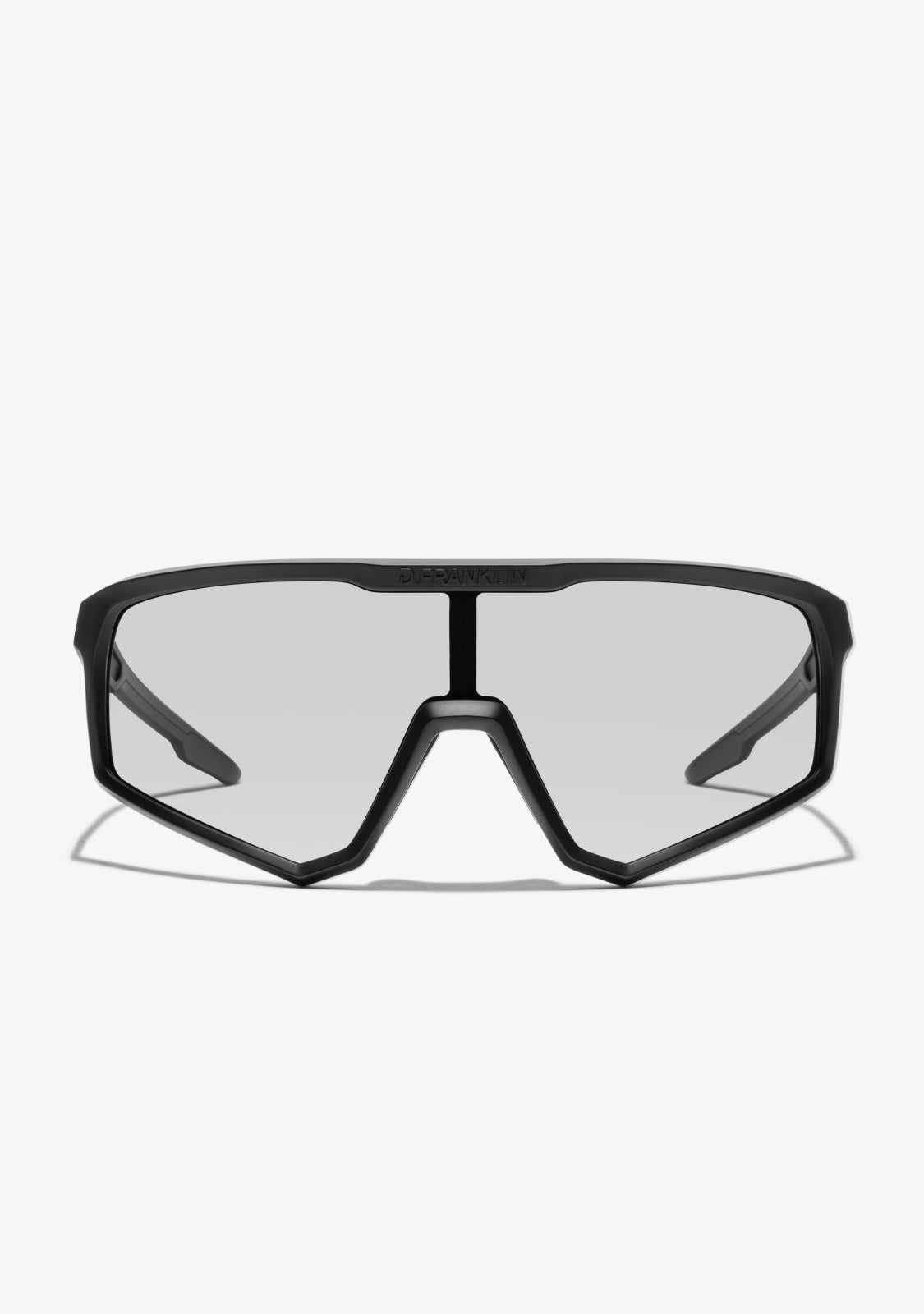


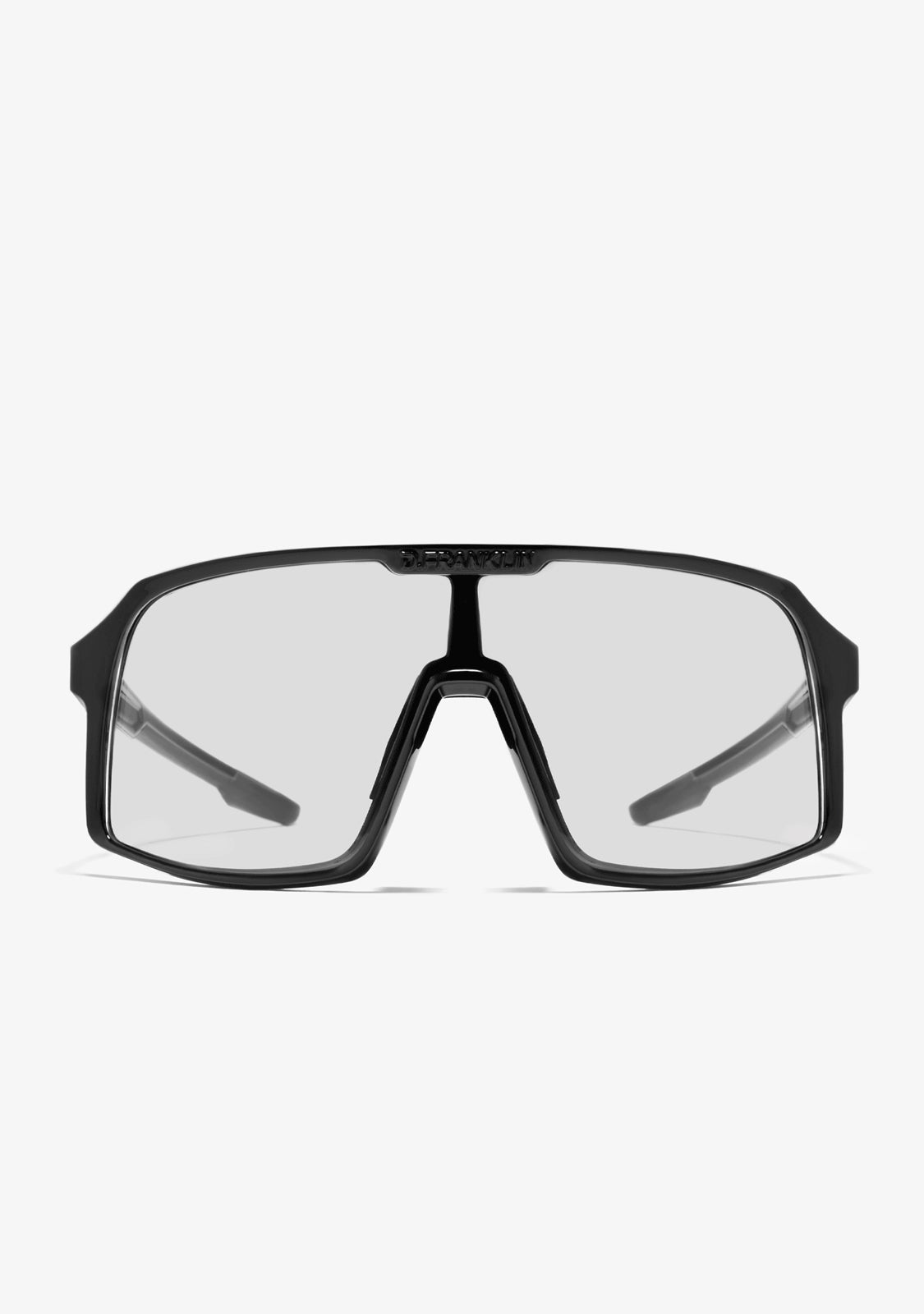

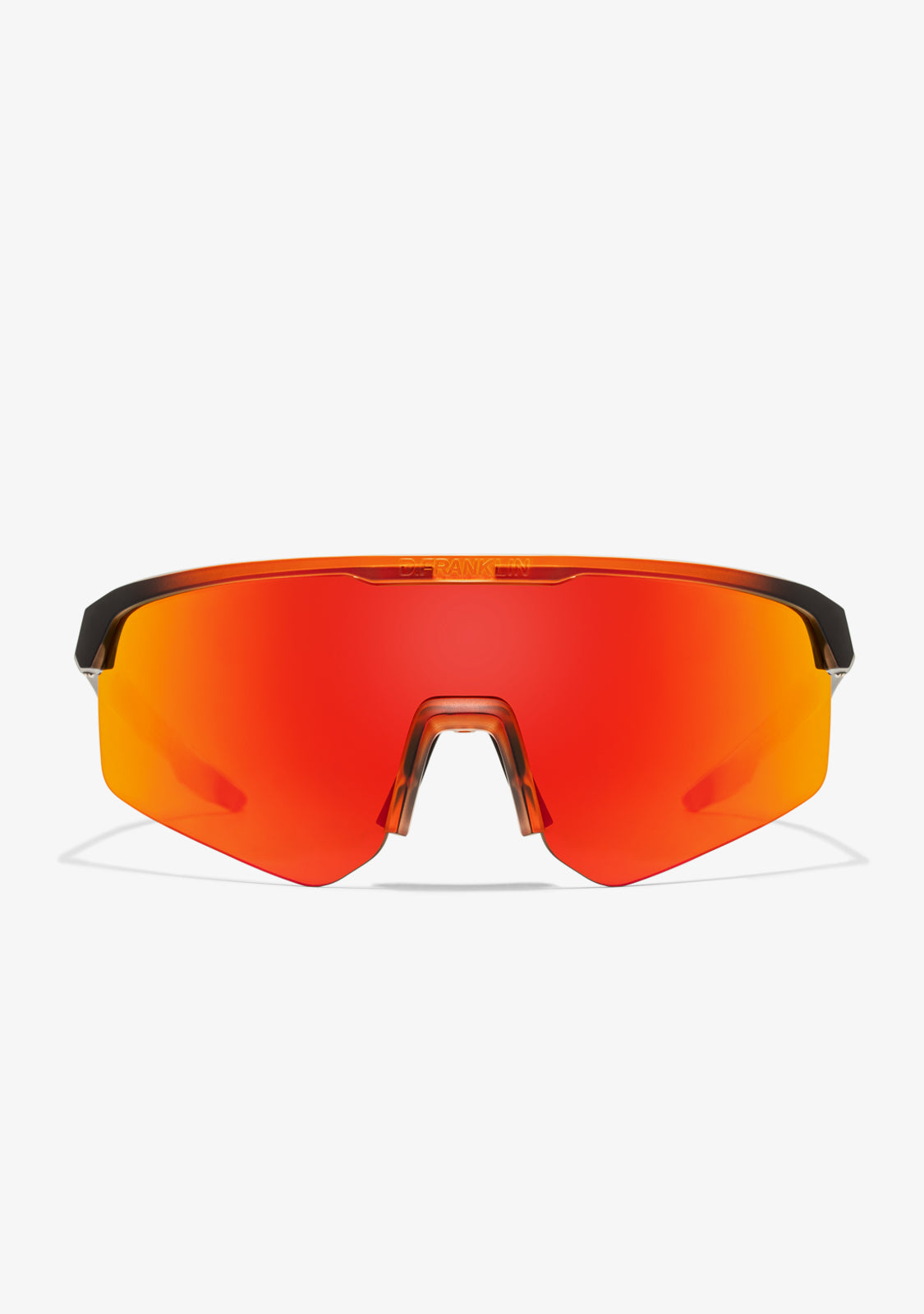
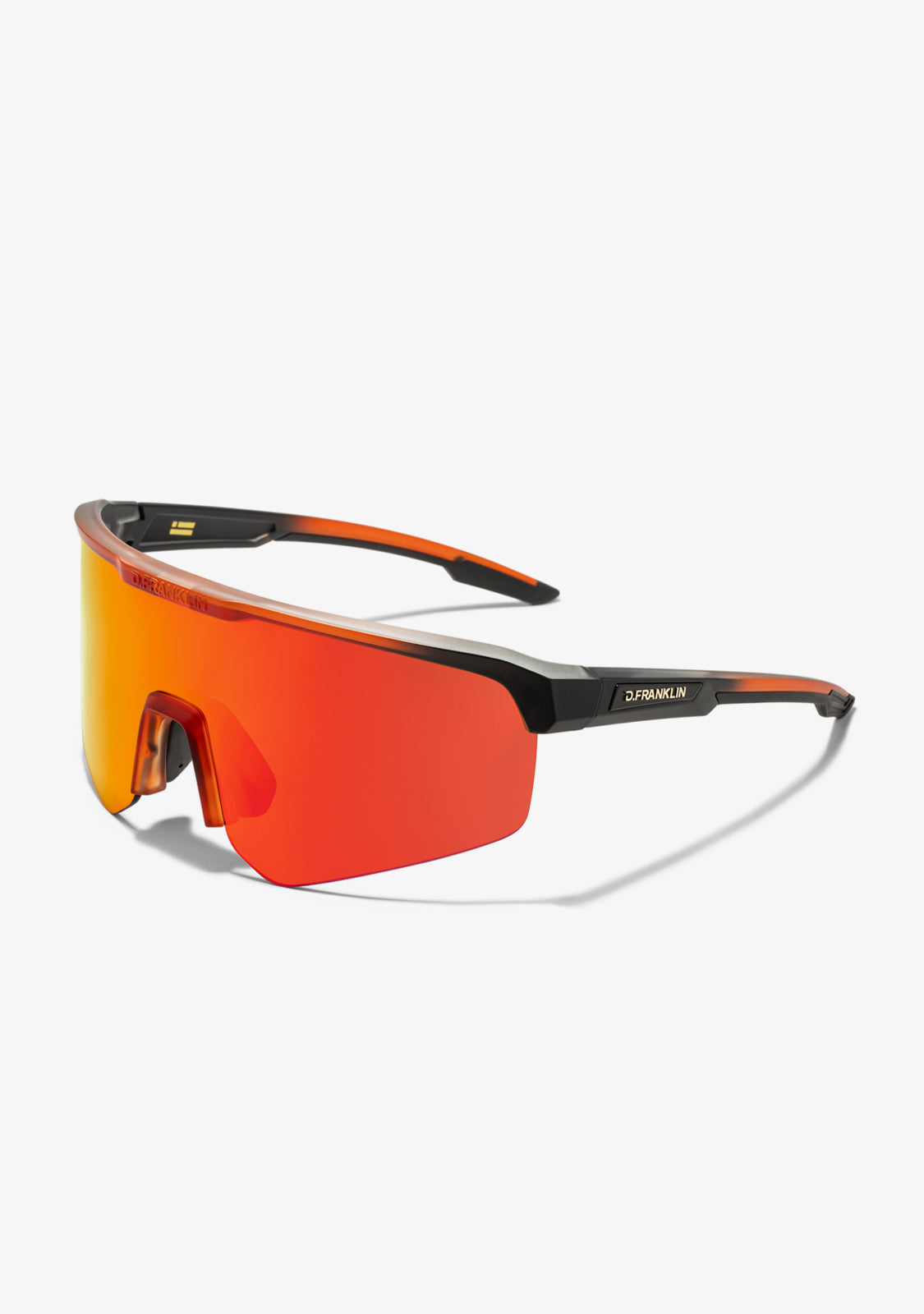


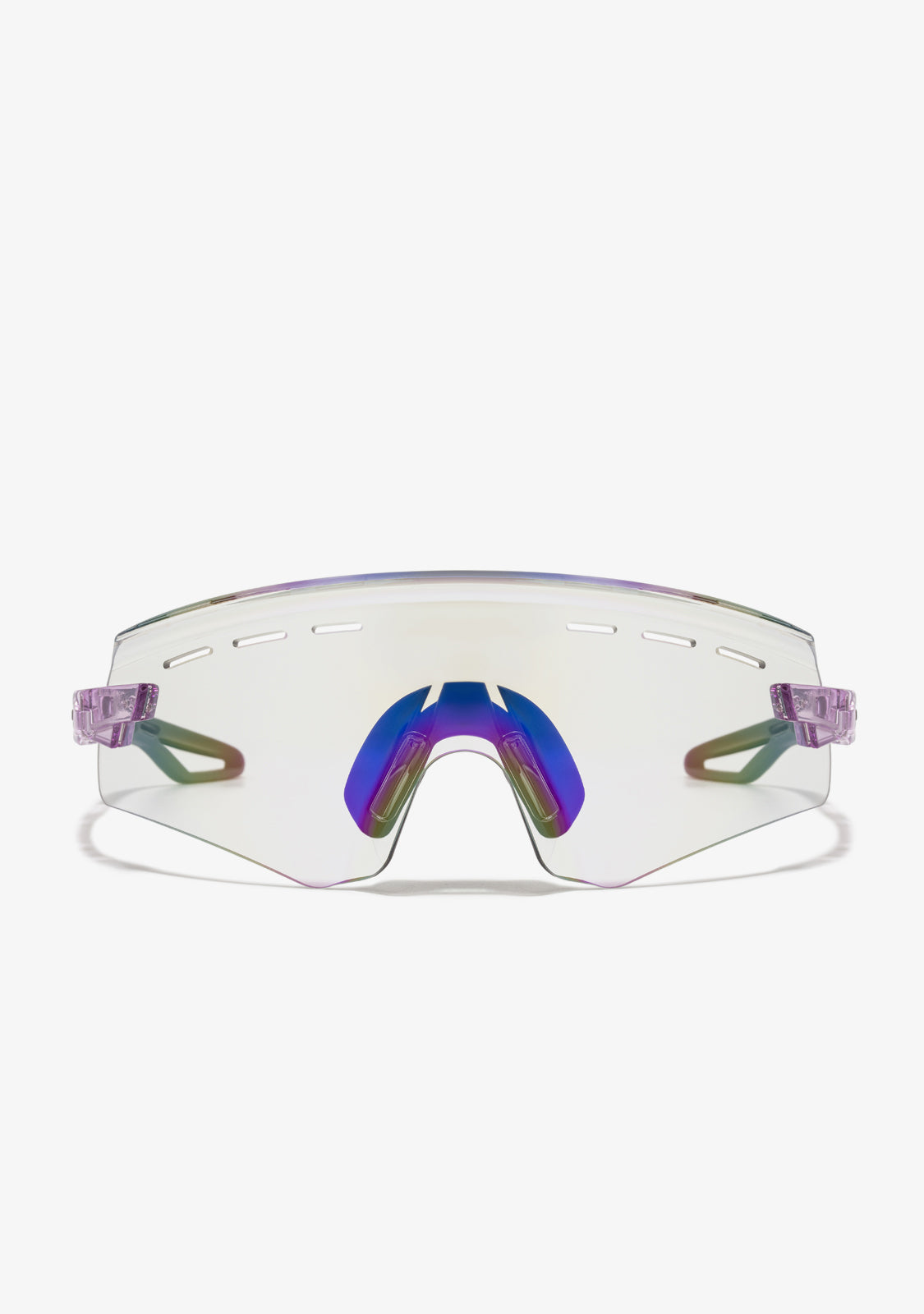

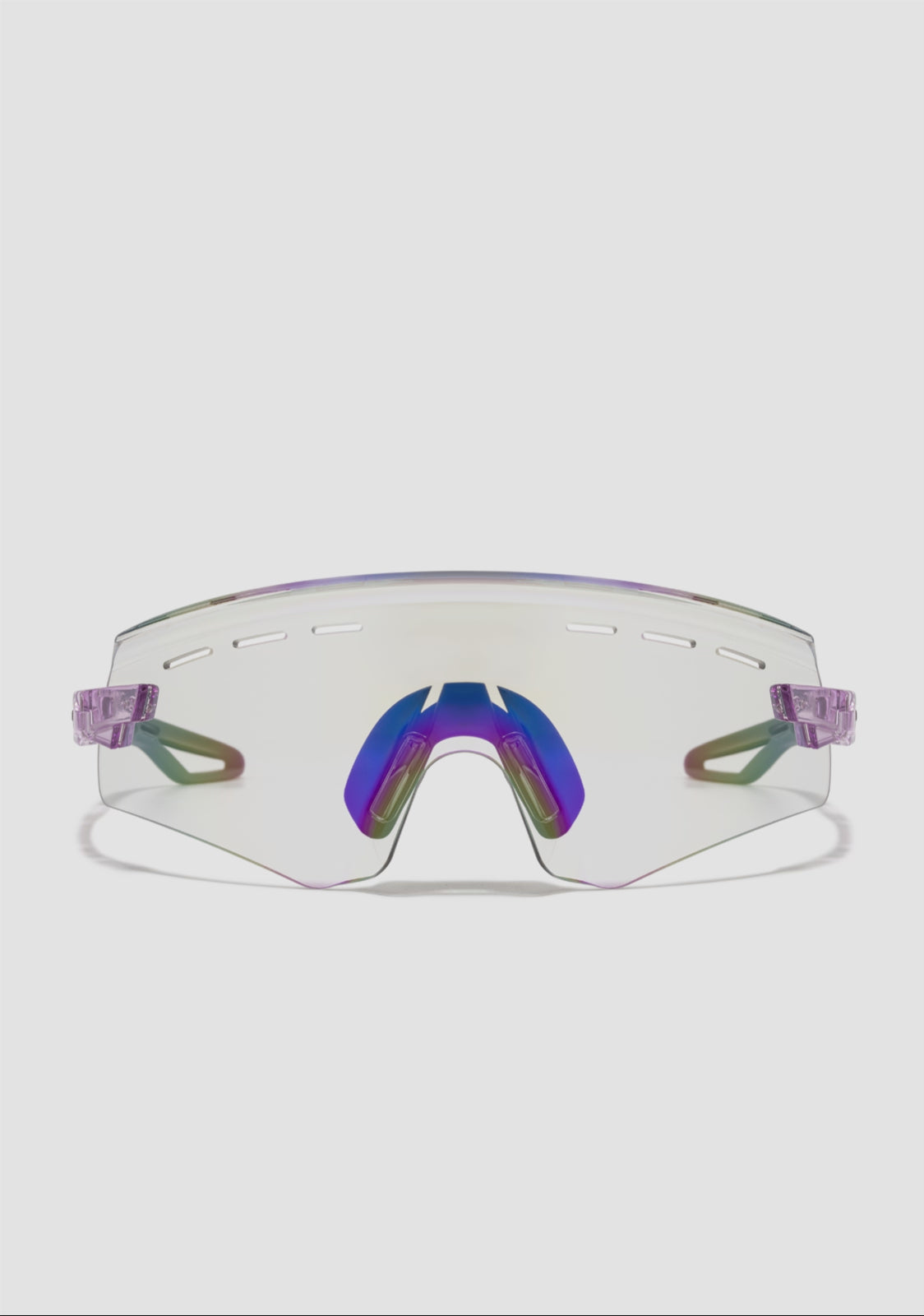


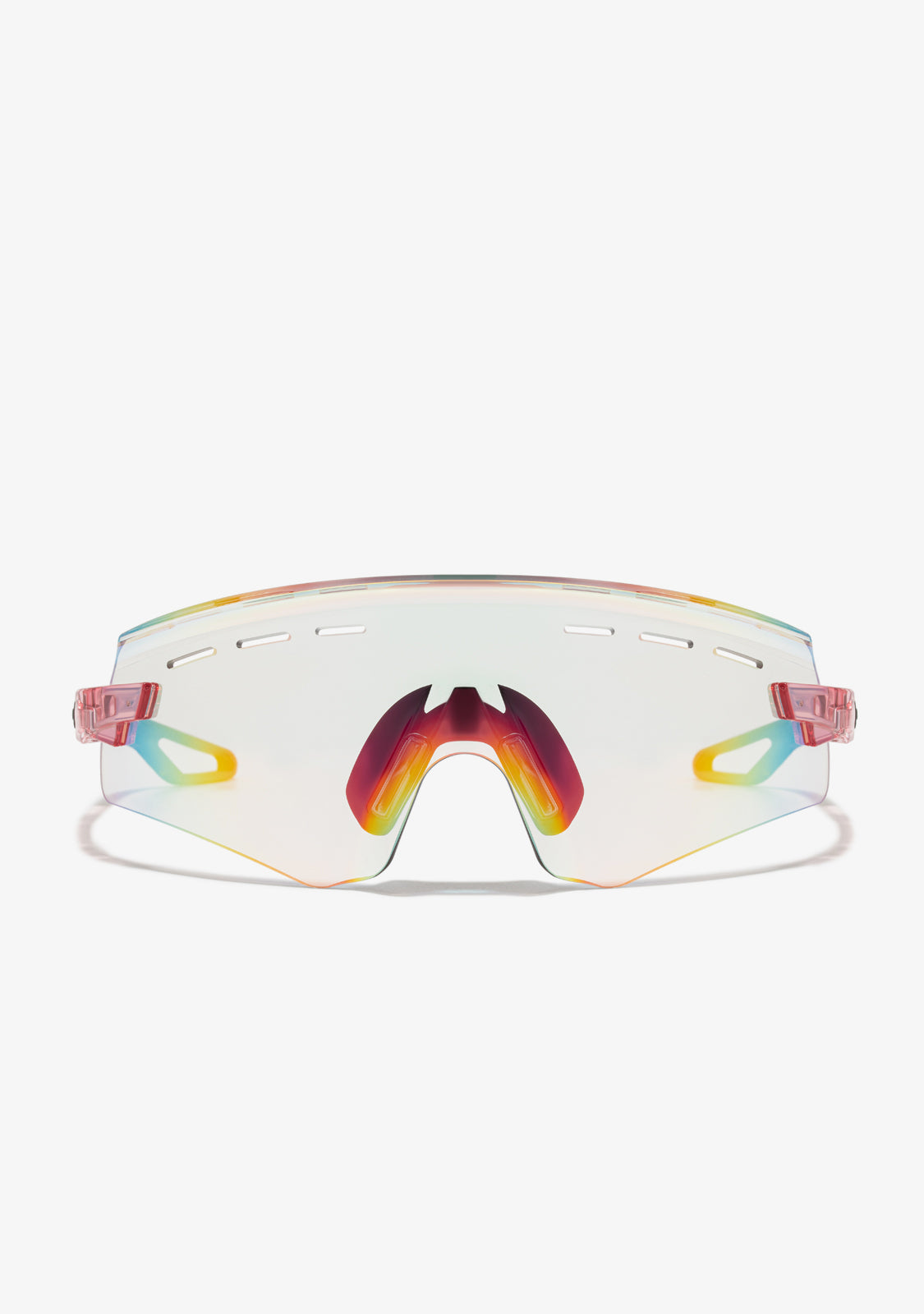

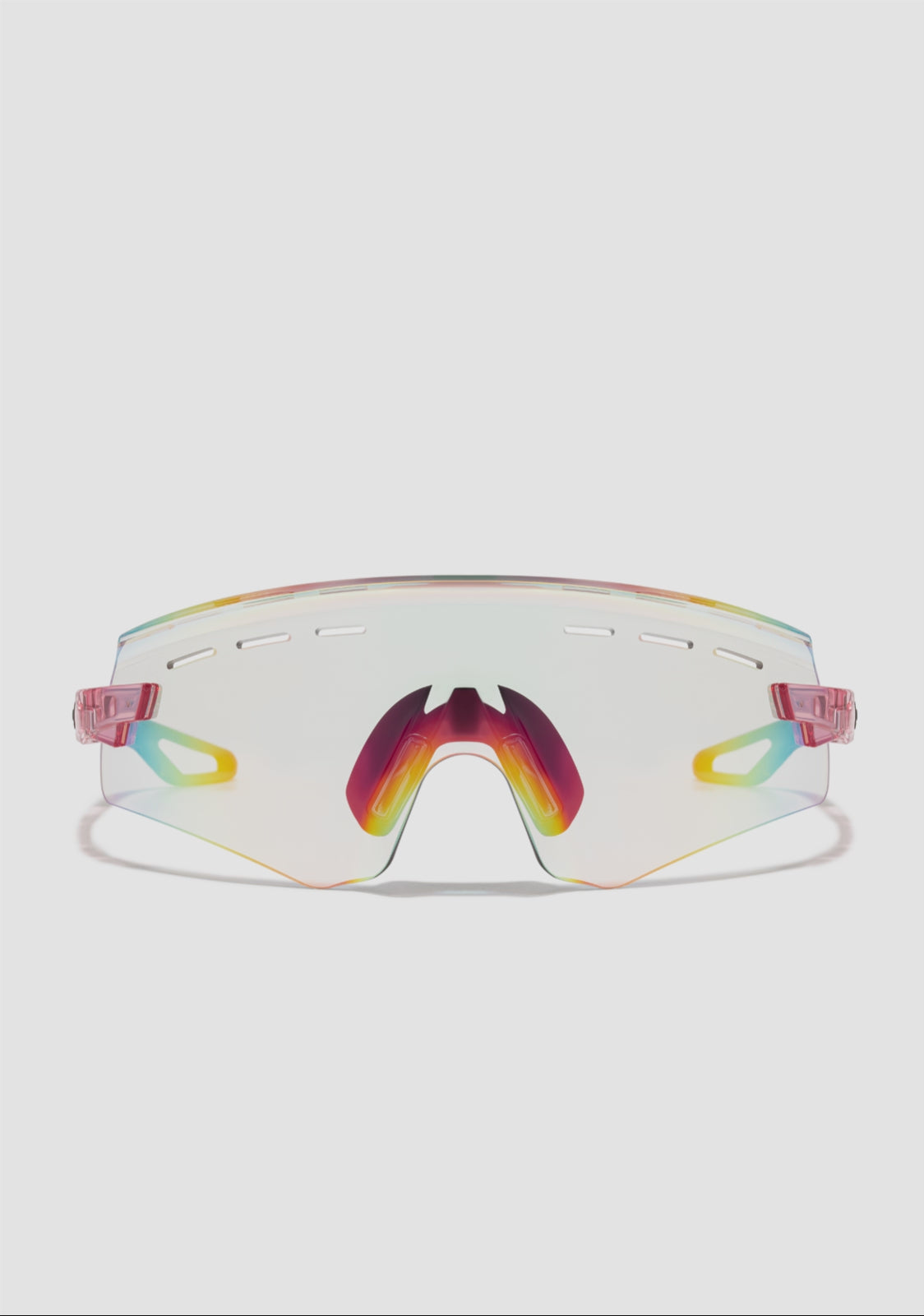


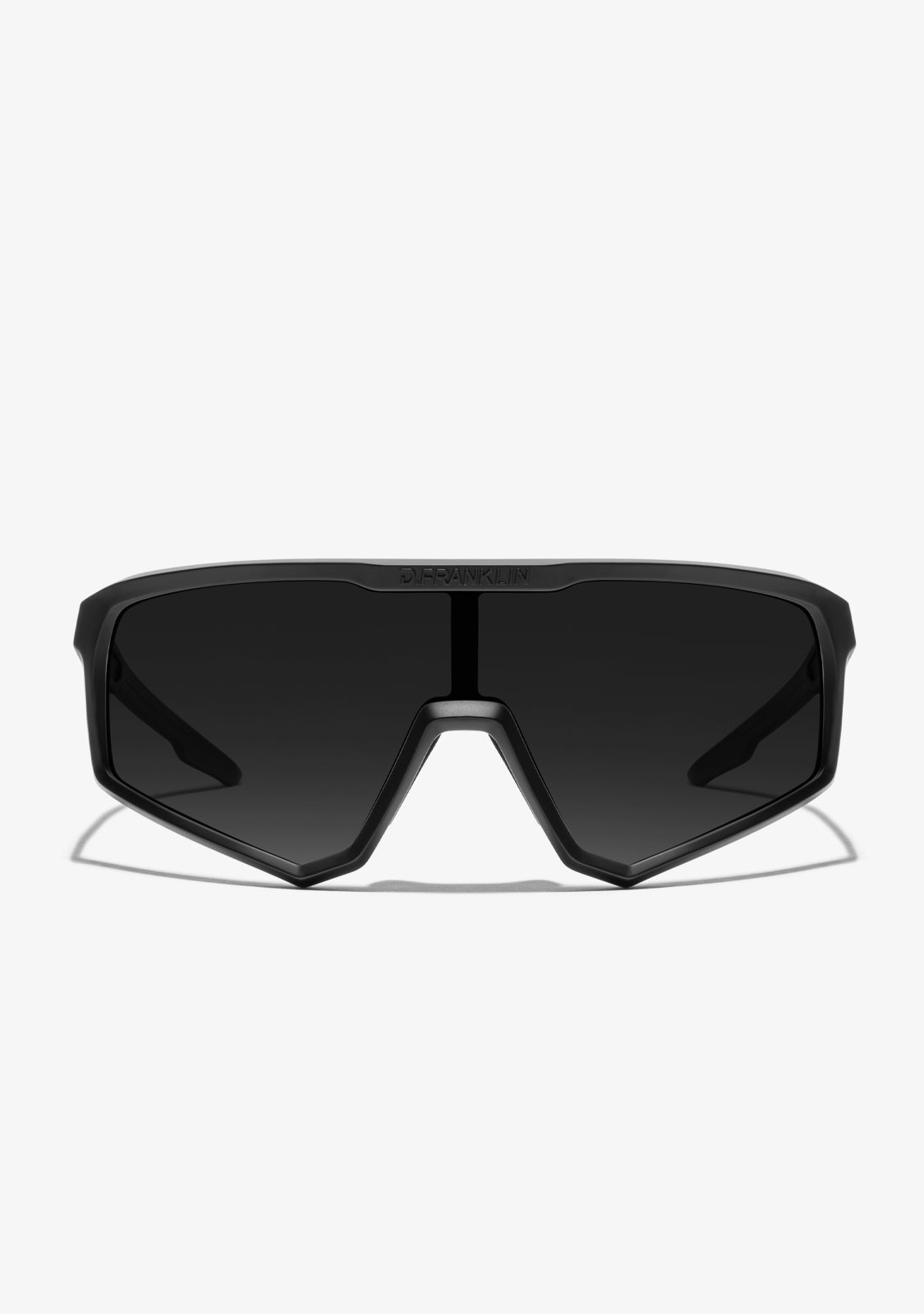
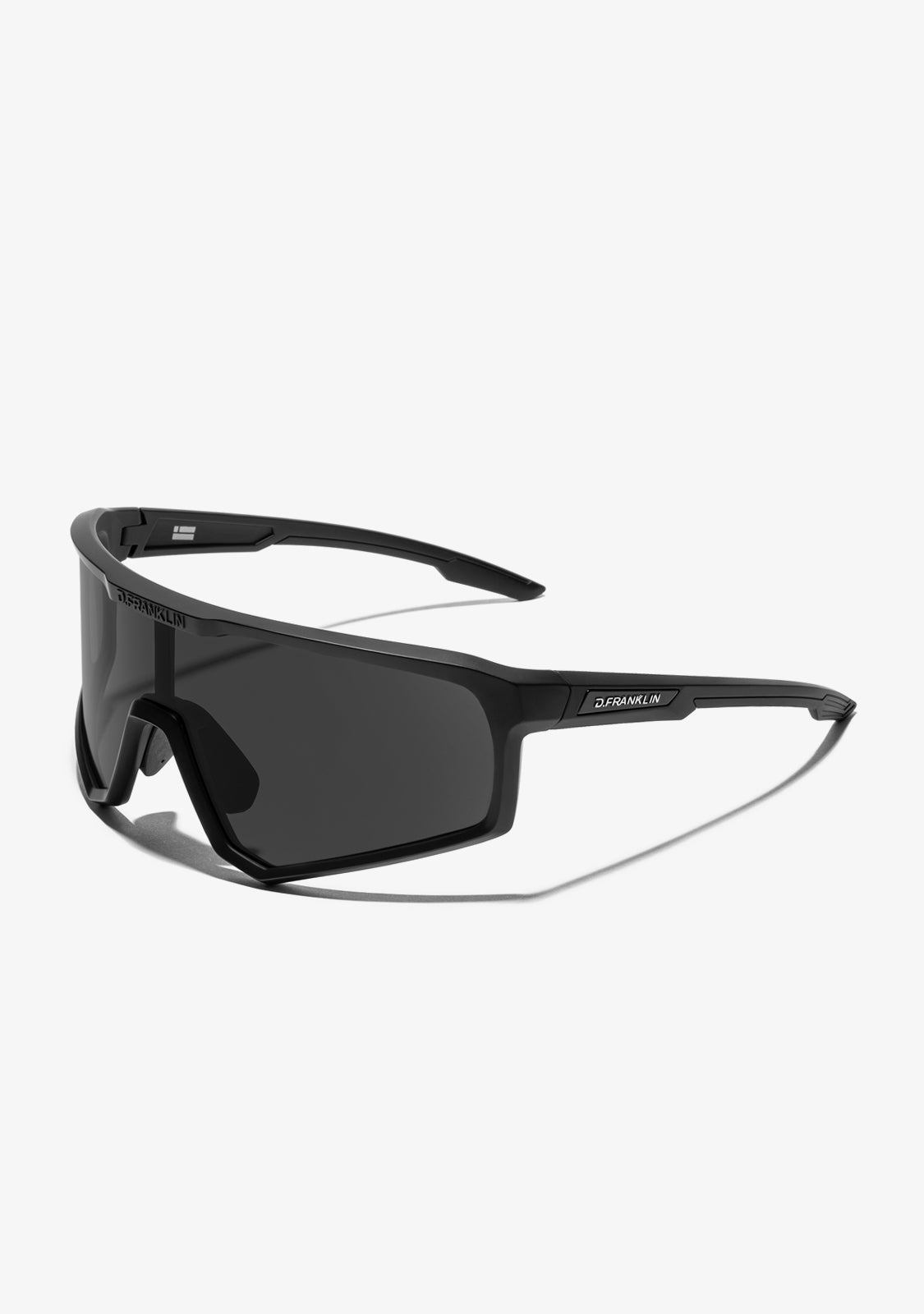


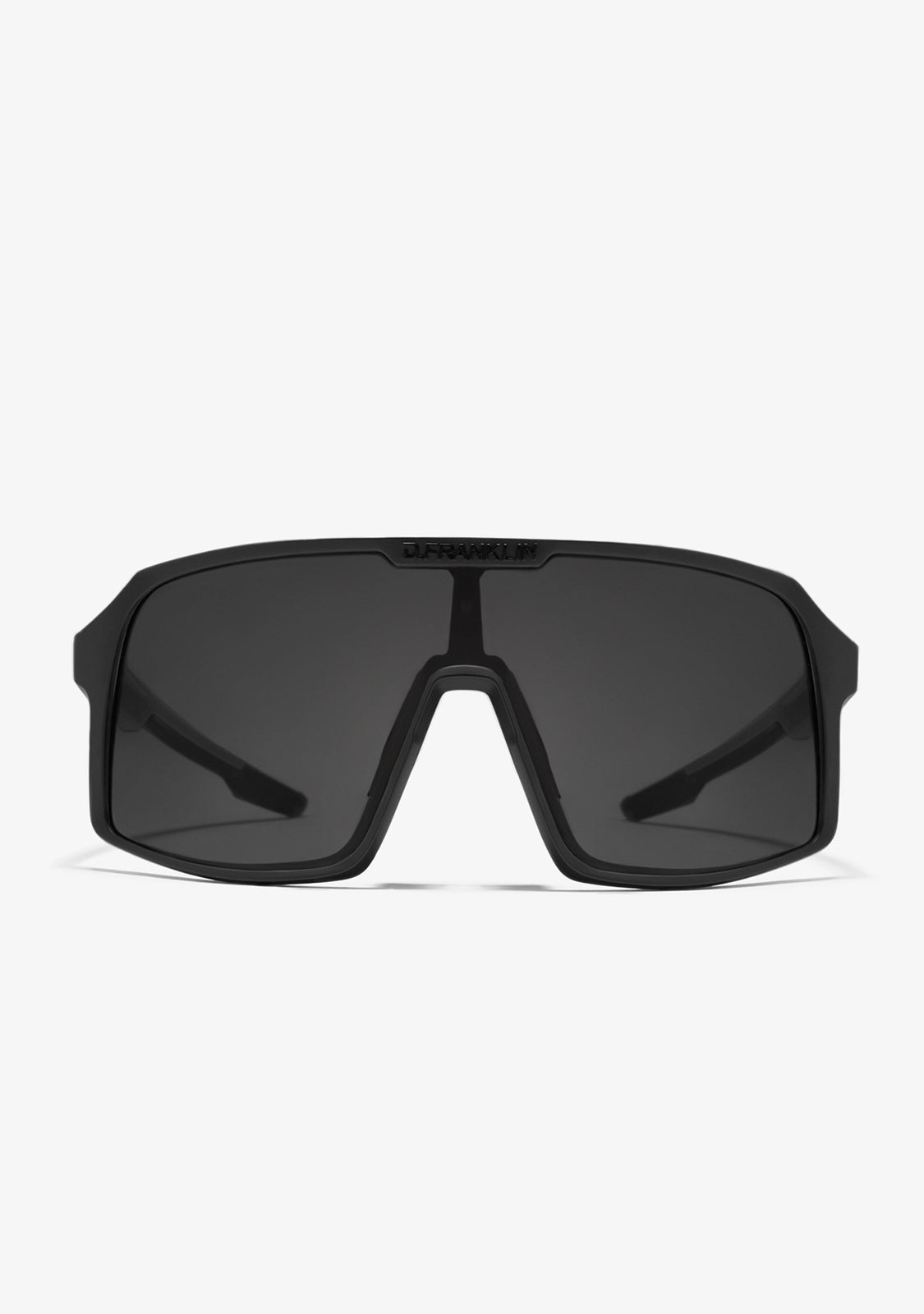
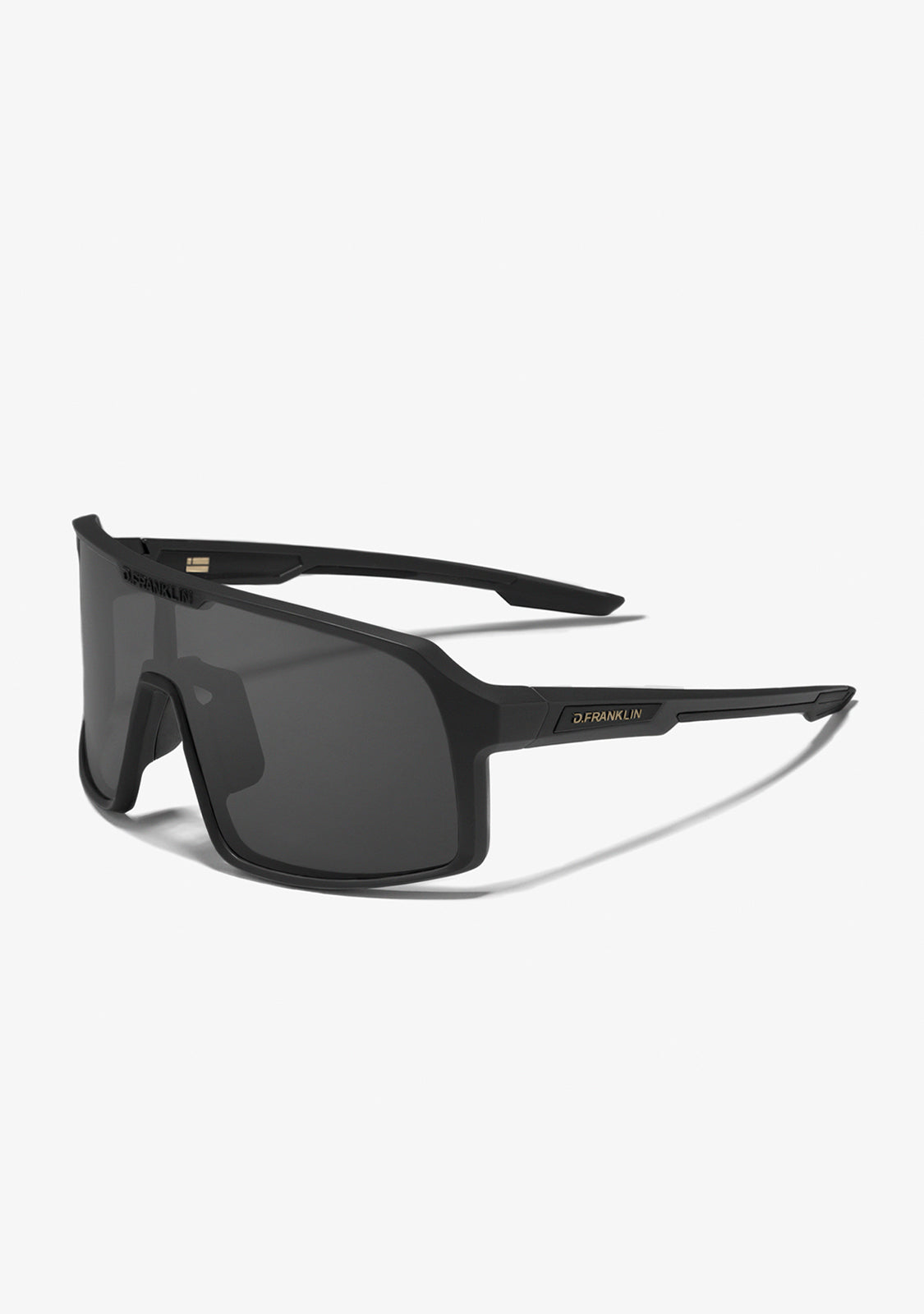


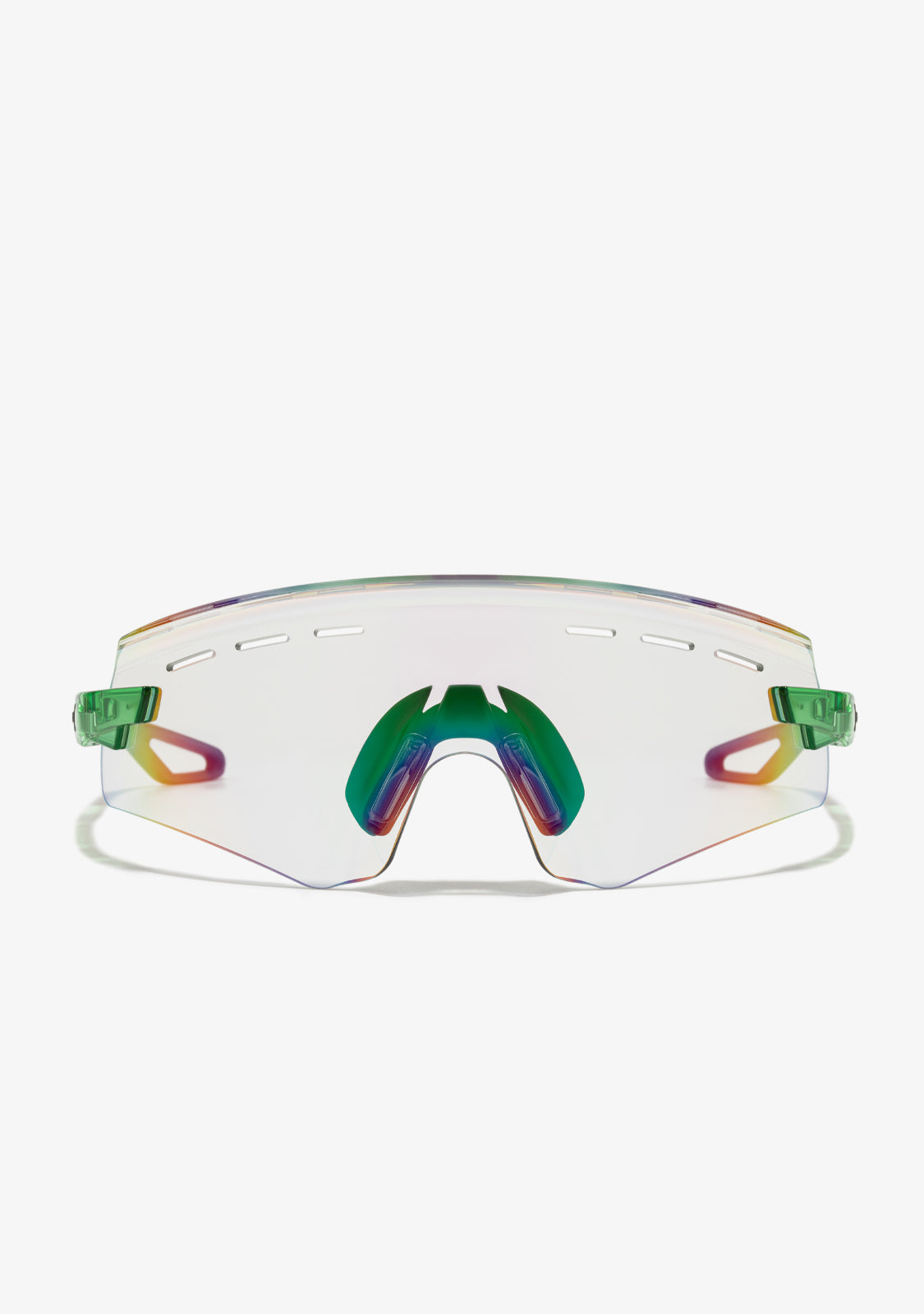

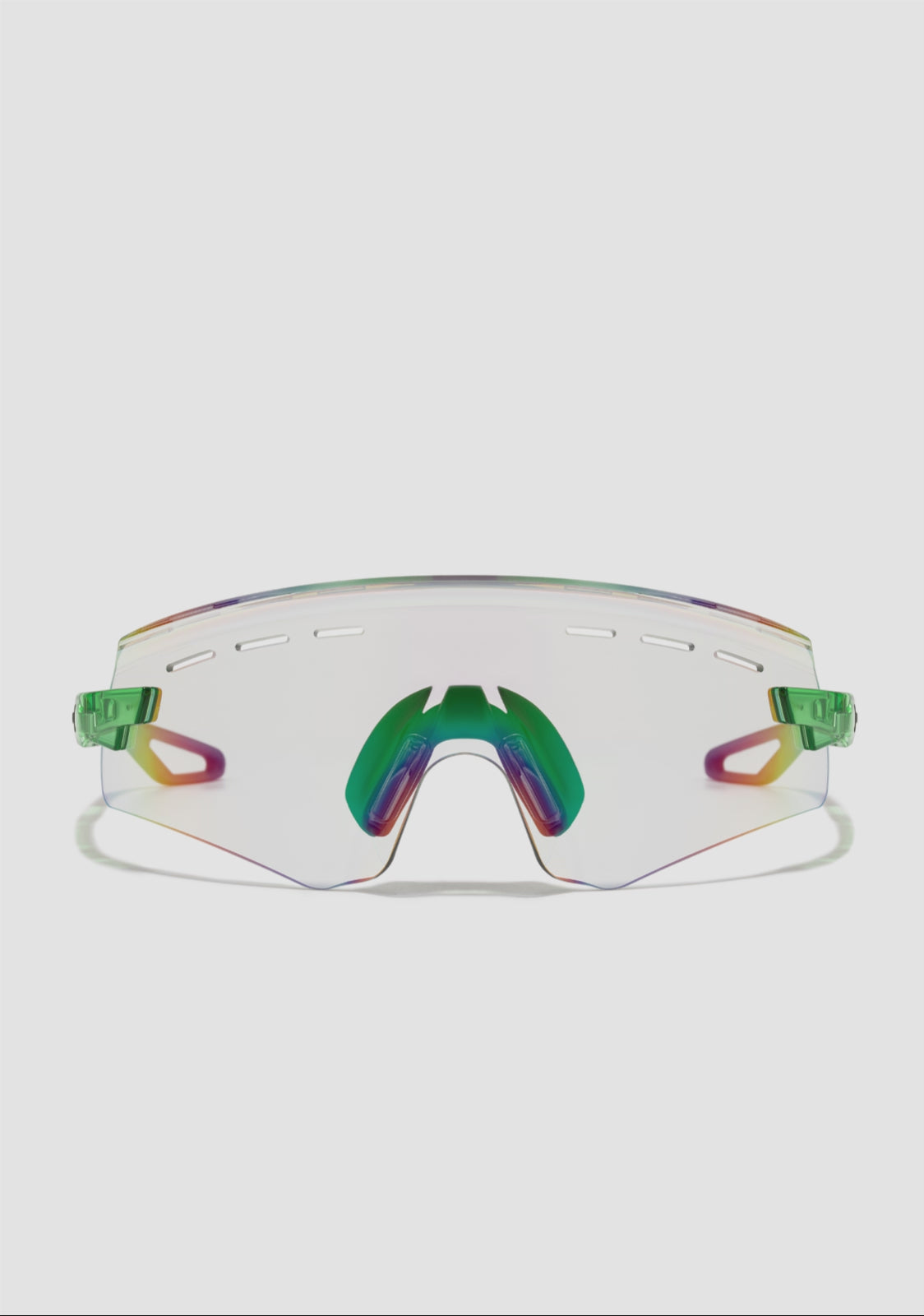
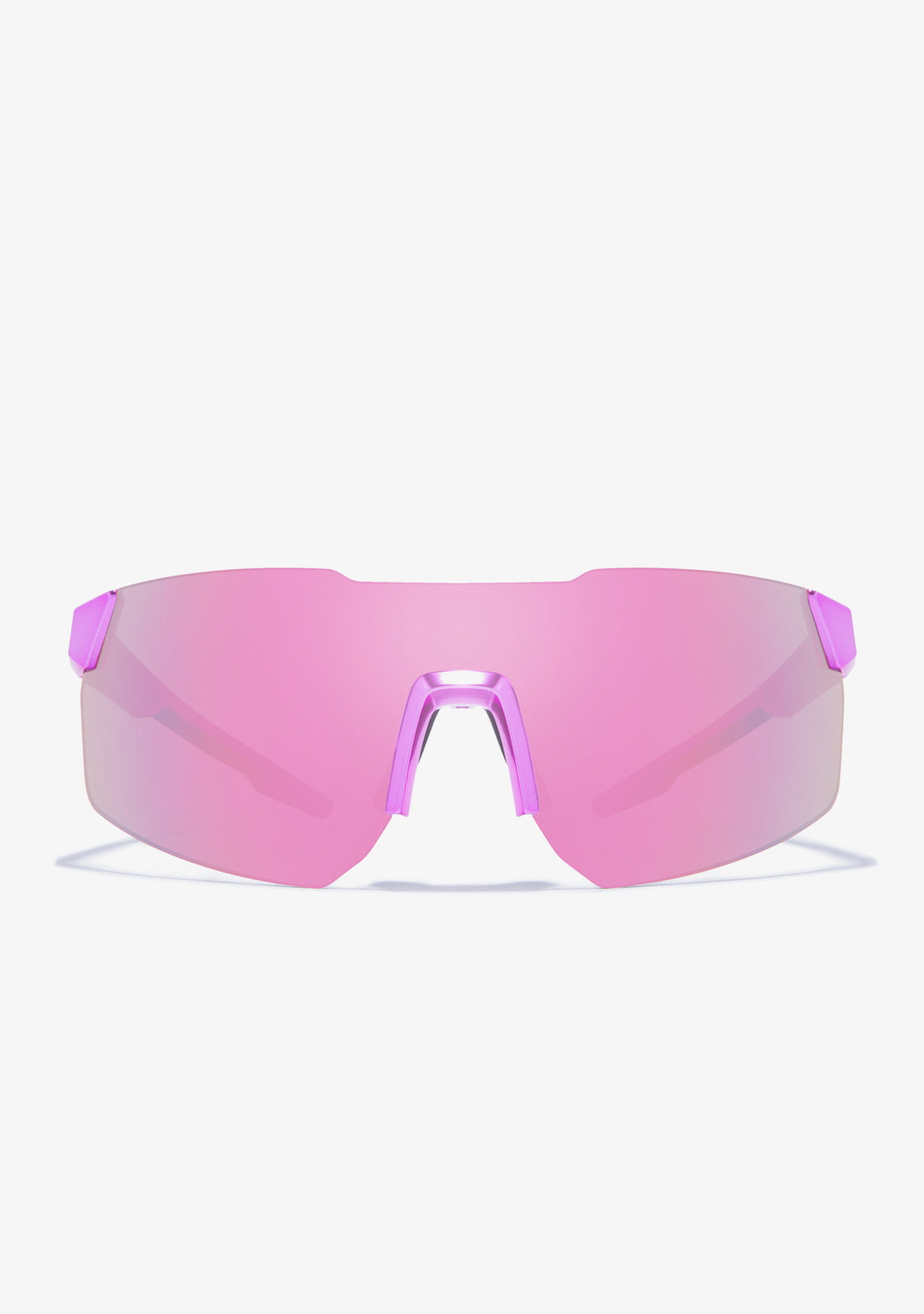
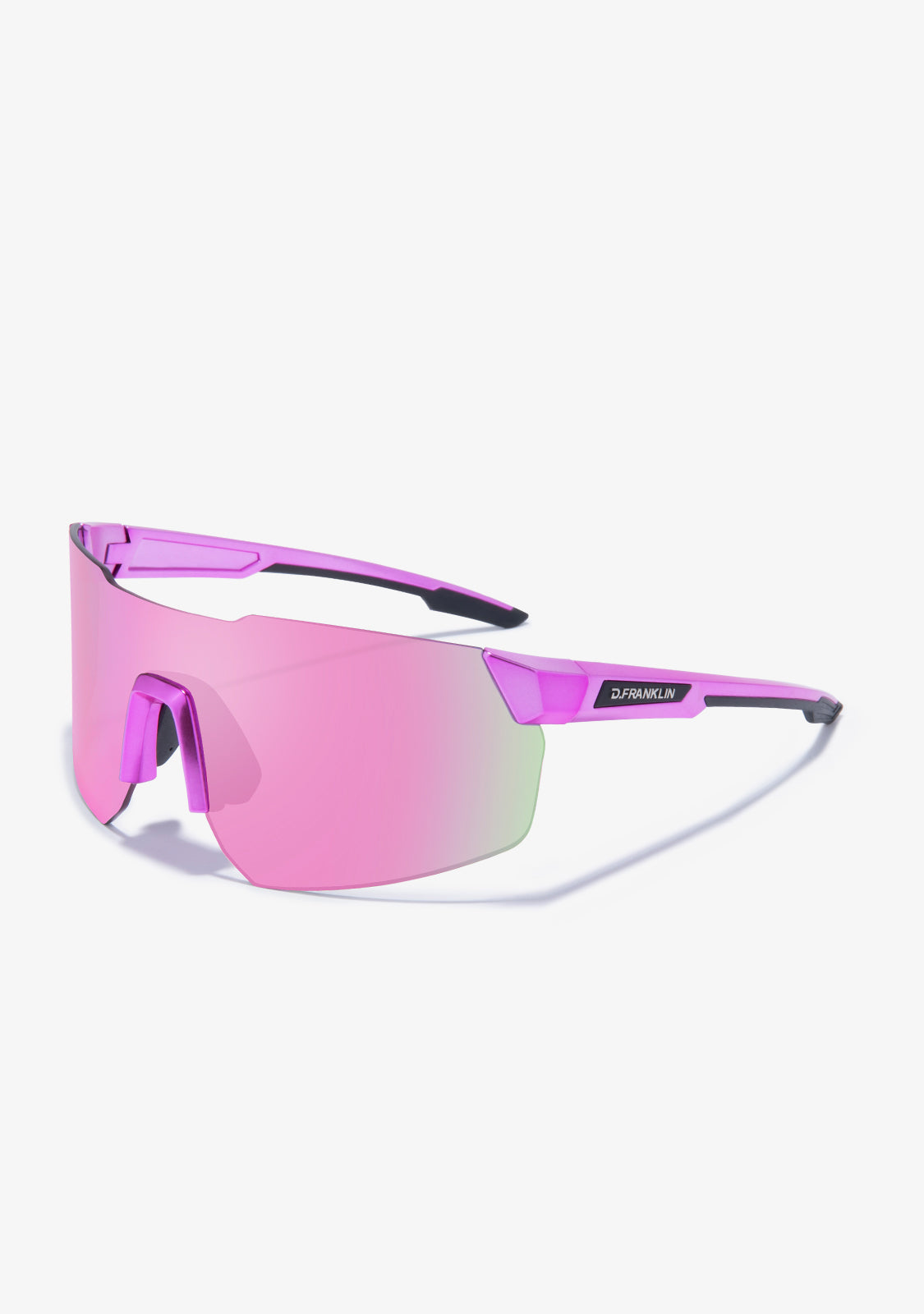


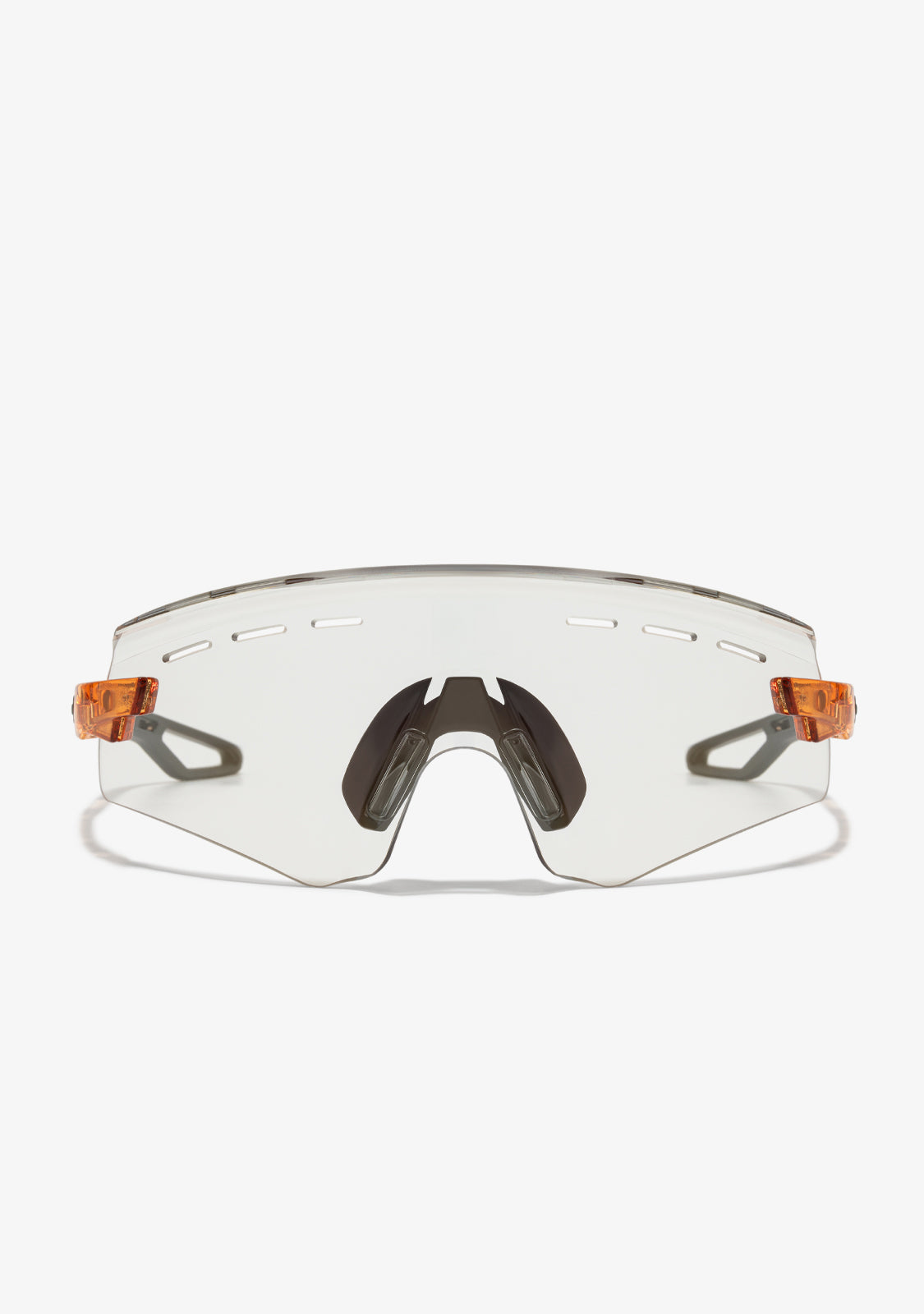

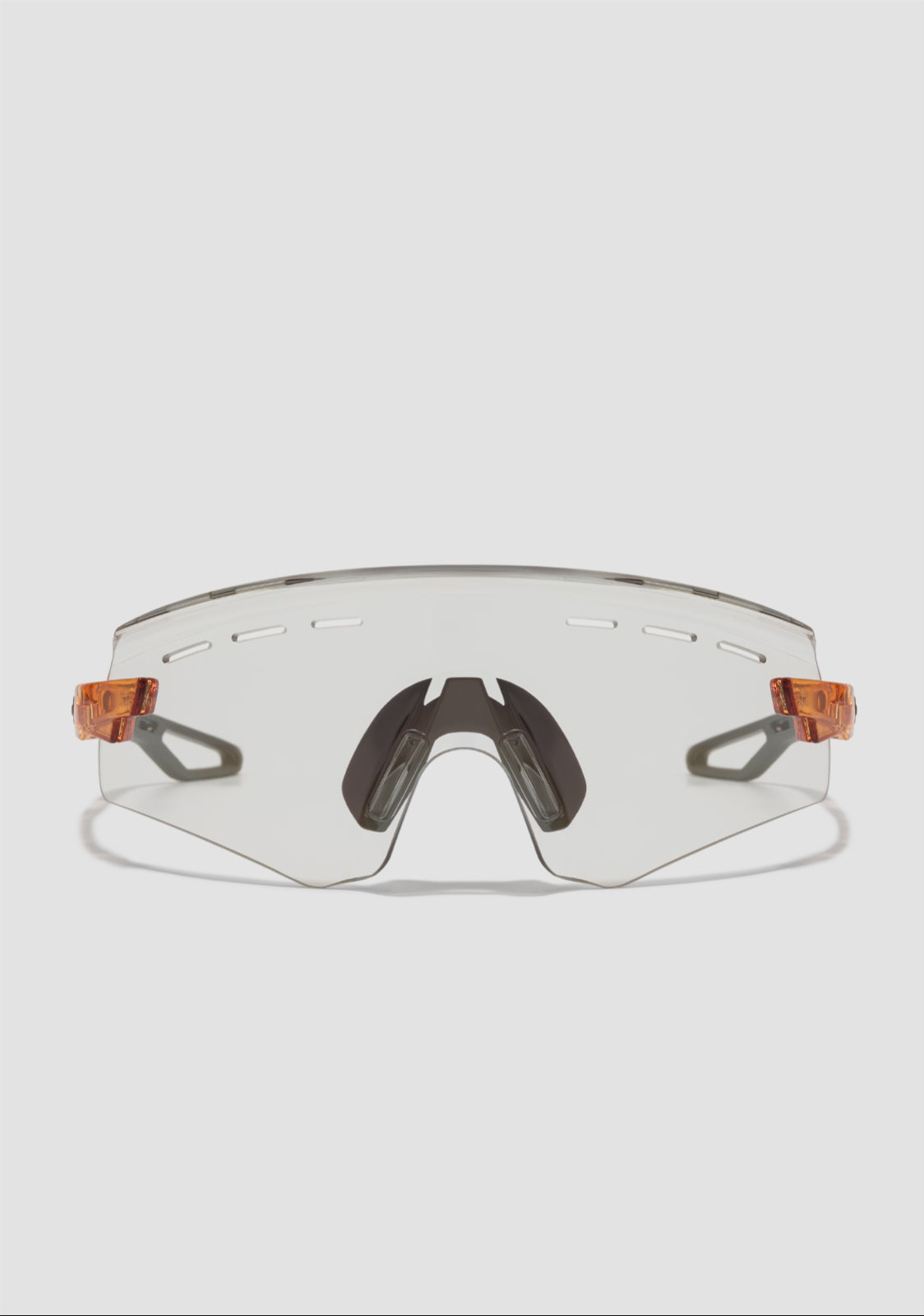
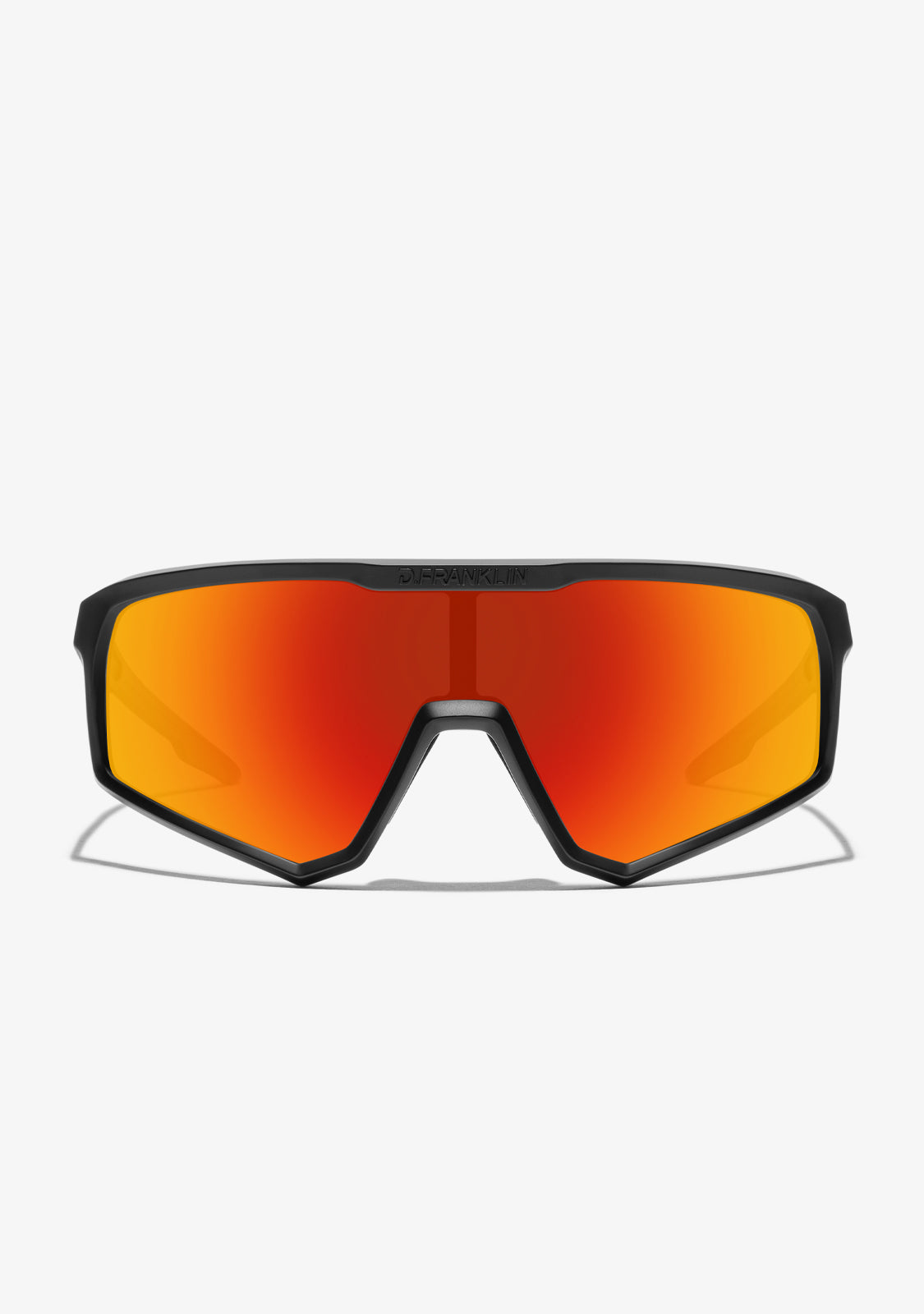
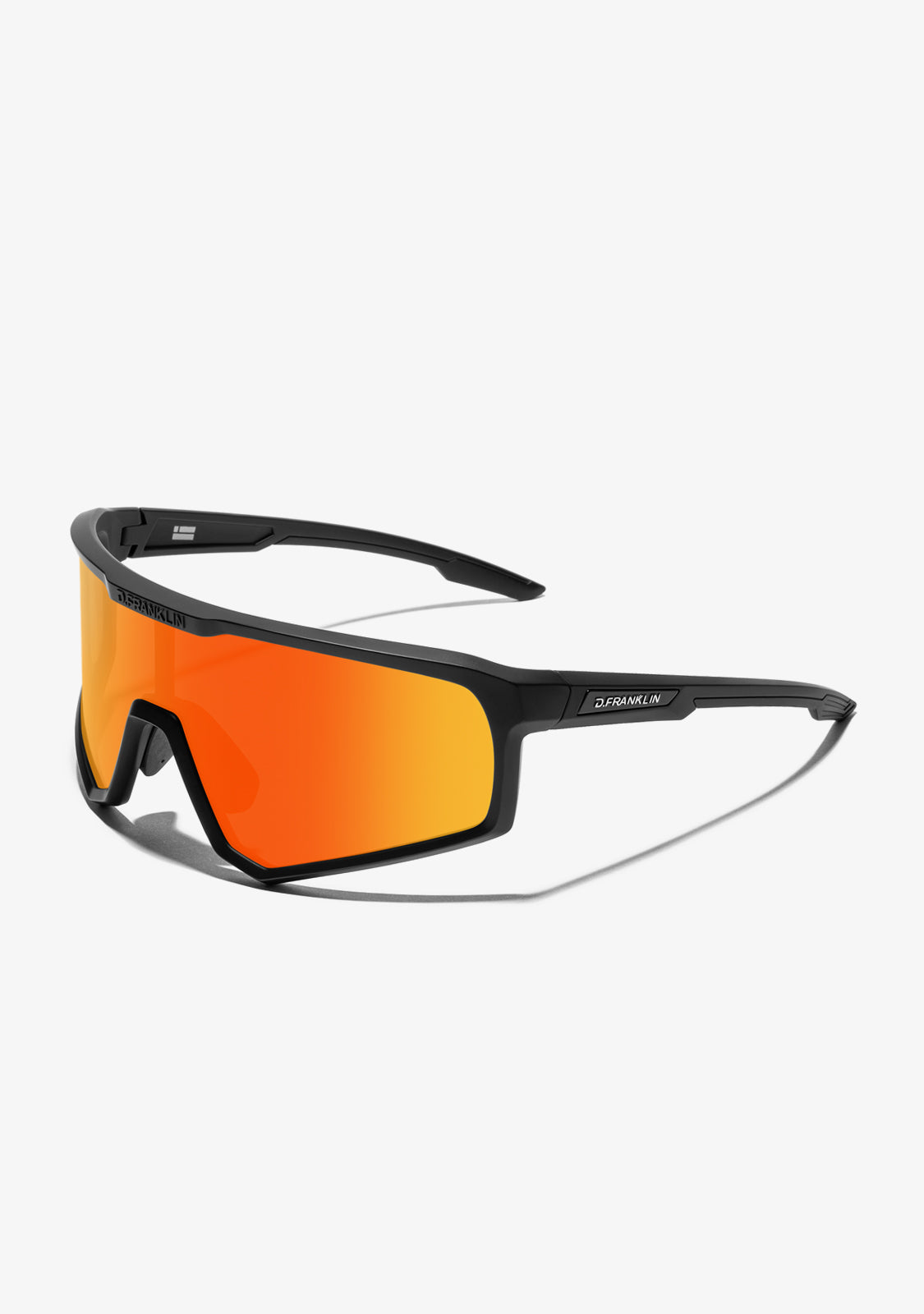

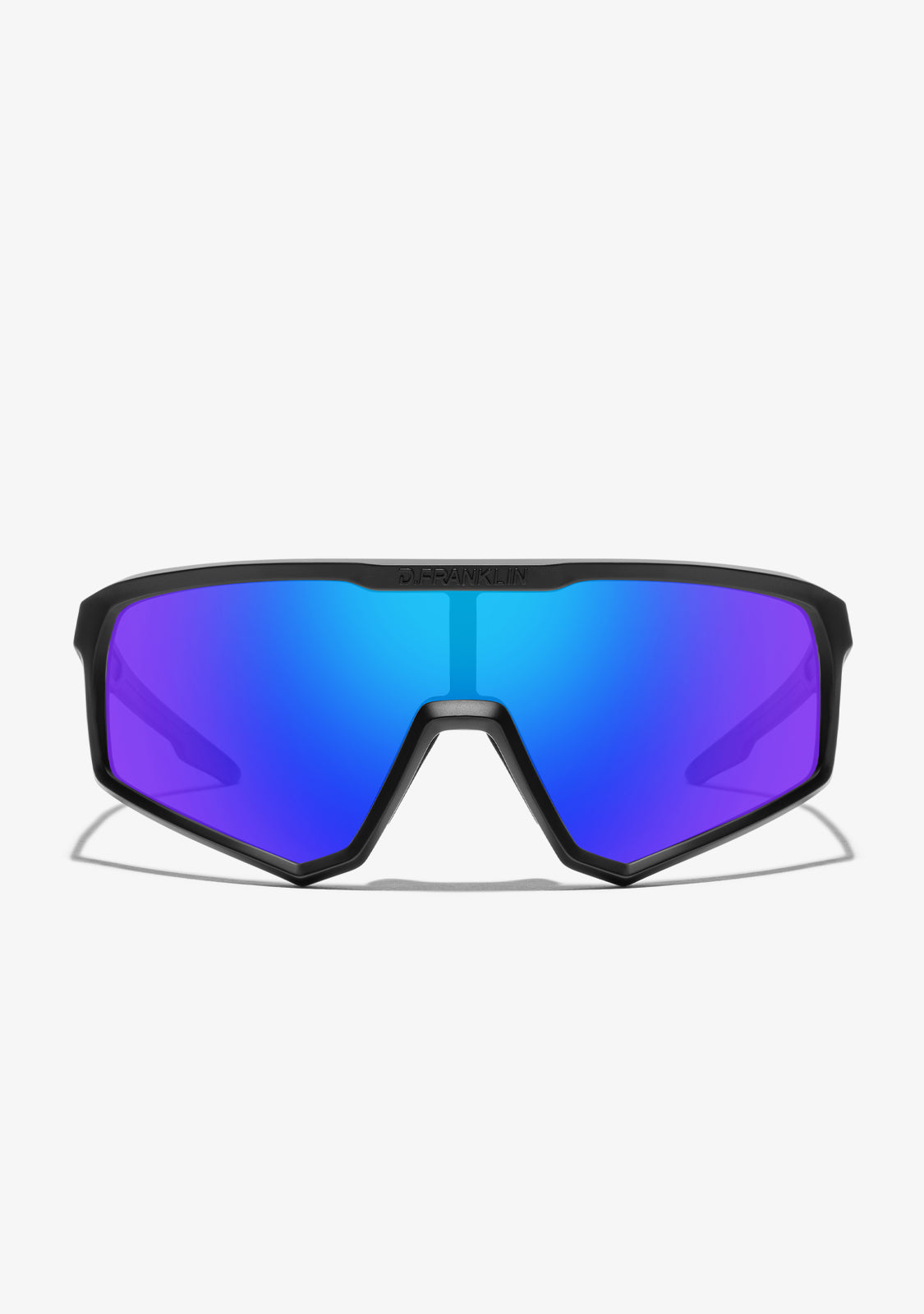
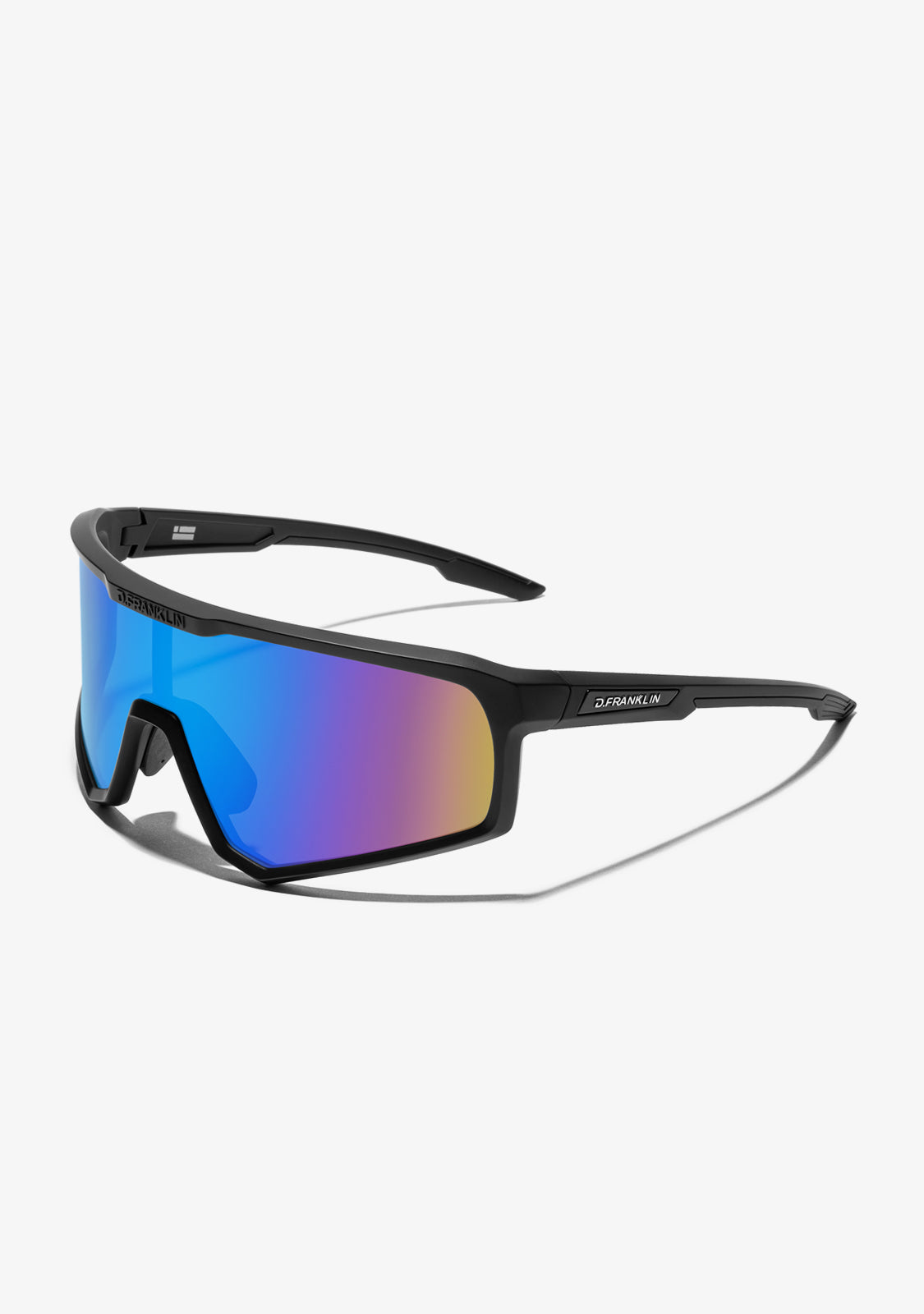

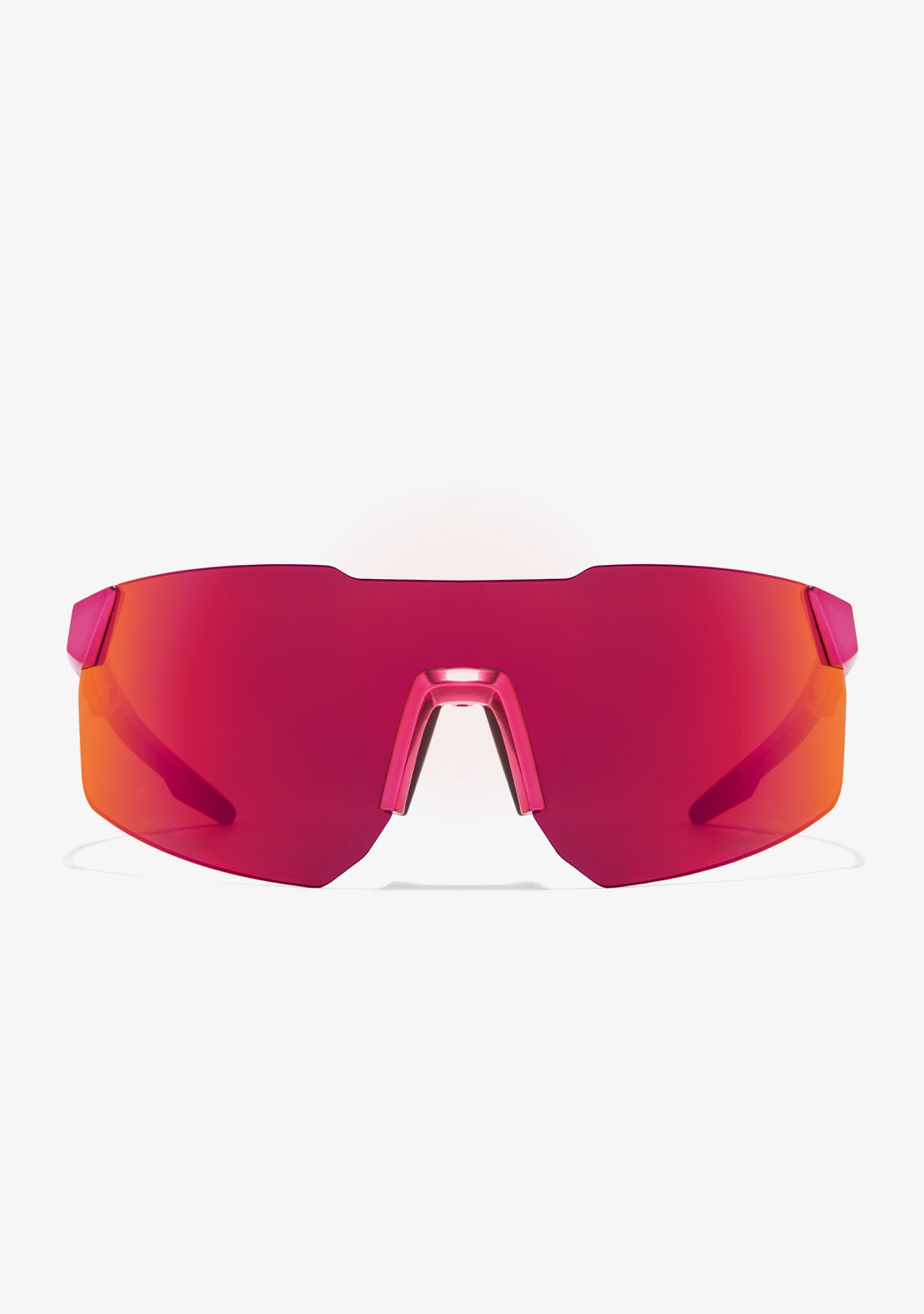
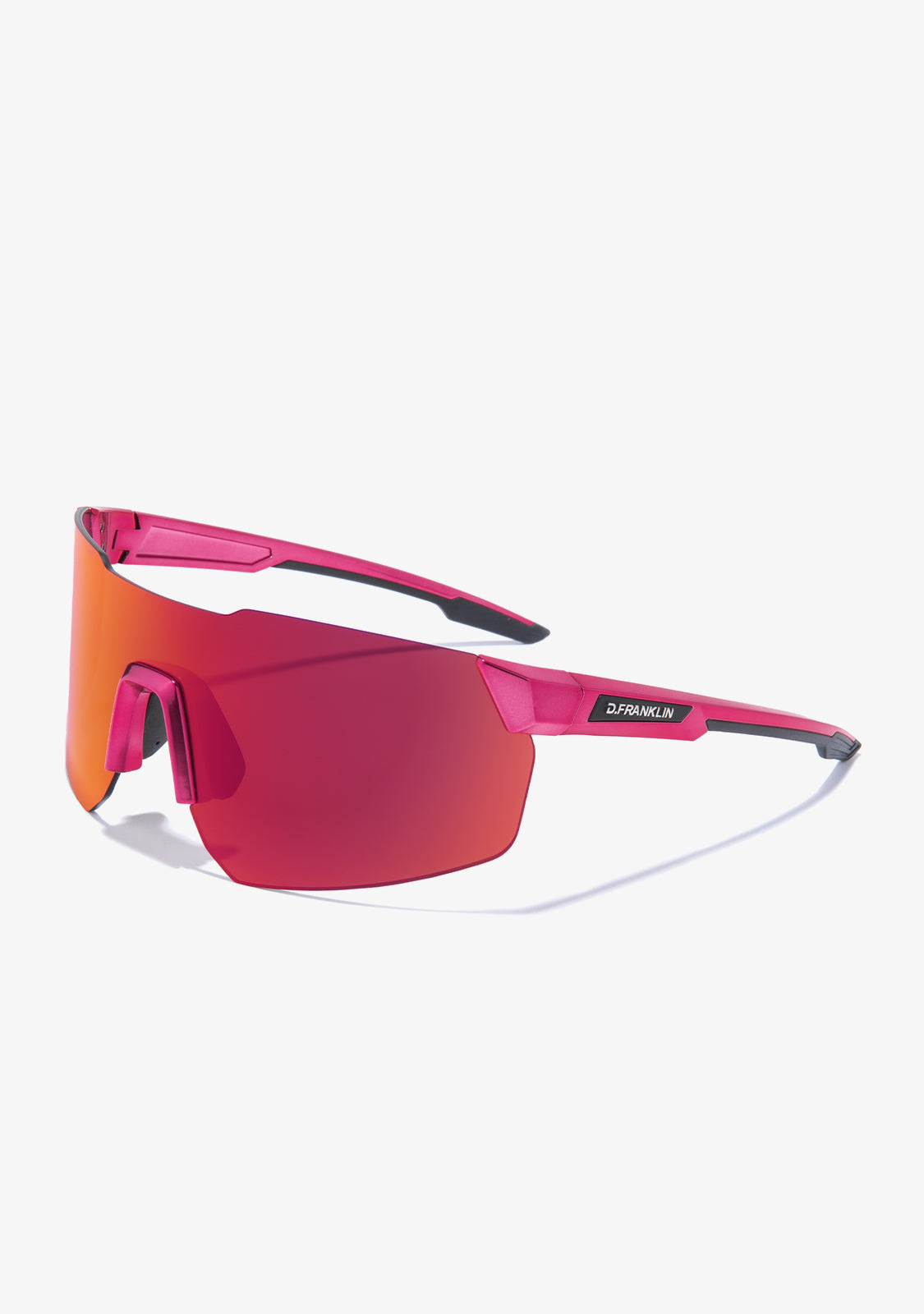

Men's Running Sunglasses
Choose D.Franklin Athletic men's running sunglasses for how they accompany your stride as well as their shape. Compare support at nose and temples, coverage and lens features for your training light conditions.
Frames that sit well when still can move when running. Try gentle head movements with your usual cap or visor; a men's label establishes neither one size nor the same fit for every face.
Fit While Running
Check the front does not bounce against your cheeks and temples do not press at the sides. Support should feel stable without excessive tightening. If you keep repositioning your glasses, compare another width or bridge rather than assuming extra weight or larger lenses will solve it.
Lenses for Your Training Light
Check category, UV protection and treatments separately. Photochromic sports sunglasses change tint under their activation conditions; ranges differ. Compare further shapes in men's sports sunglasses and explore the running collection to complete your selection for the activity.
Details Worth Comparing
- Bridge support during head movement
- Space between frame, cheeks and visor
- Lens category for expected conditions
- Materials and care of contact points
Cleaning After Training
Remove particles before cleaning lenses with suitable microfibre. Follow instructions for sweat on bridge and temples and allow drying before storing. Do not rub dusty lenses with a T-shirt or assume every household cleaner is suitable.
Men's Running Sunglasses Questions
How can I check that they do not bounce?
Try gentle movements and a short jog in suitable fitting conditions. Watch for bridge movement or contact with your cheeks. Size and geometry matter more than tightening the temples.
Can I wear them with a cap?
Yes, if both fit without pressing against each other. Check the gap between visor and upper rim and whether adjusting the cap shifts your glasses.
Are larger lenses always better?
No. They may change coverage but also how frames sit on your face and beneath a visor. Compare available space and your view ahead and towards the ground.
Do photochromic lenses work at any time of day?
Their name does not establish that. Check range, category and suitability for the expected light; do not assume complete lightening or suitability for night running.
Do all models handle sweat with the same treatment?
Do not attribute one treatment to the entire selection. Check materials and care instructions; a sports appearance does not establish a hydrophobic or anti-fog coating.
Are polarisation and UV protection the same?
No. They are distinct properties to check separately. Look for each specification on the chosen lens; a mirrored surface does not confirm polarisation either.
Can I use one pair for road and trail running?
Compare light, coverage and stability on both routes. A trail with frequent shade changes may differ from an open route; comfortable fit does not replace lens selection.
You may also like
Running Sunglasses