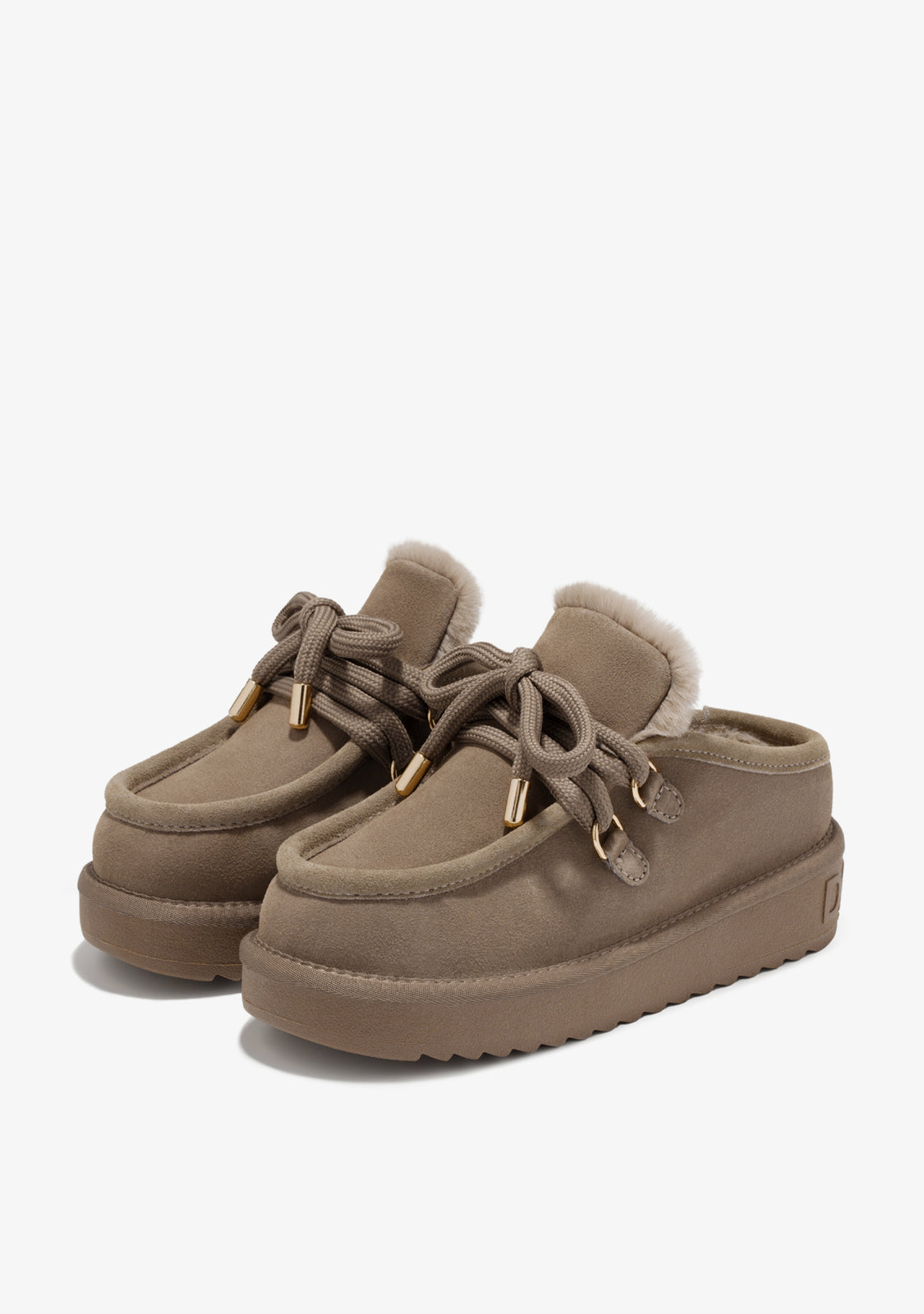
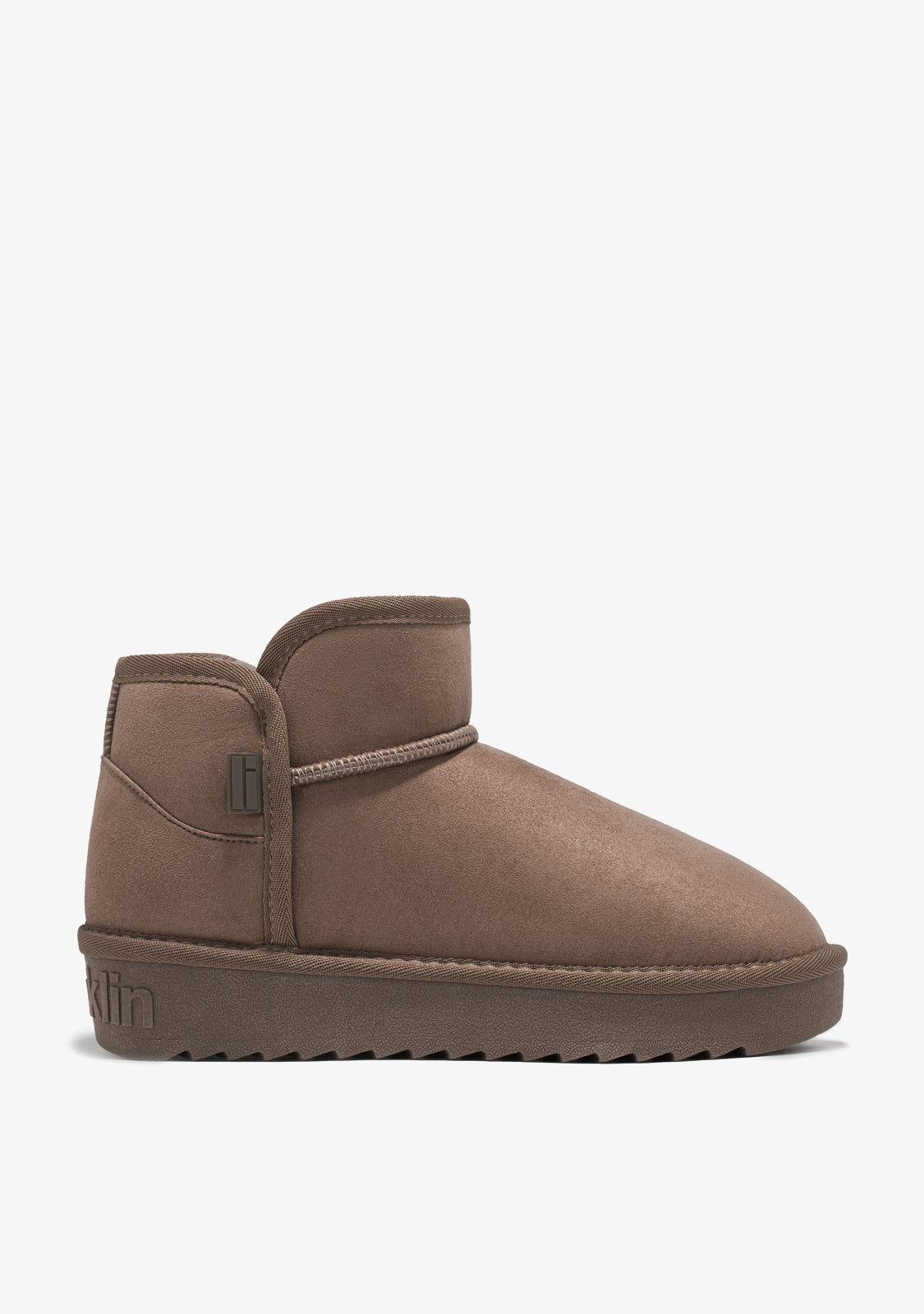
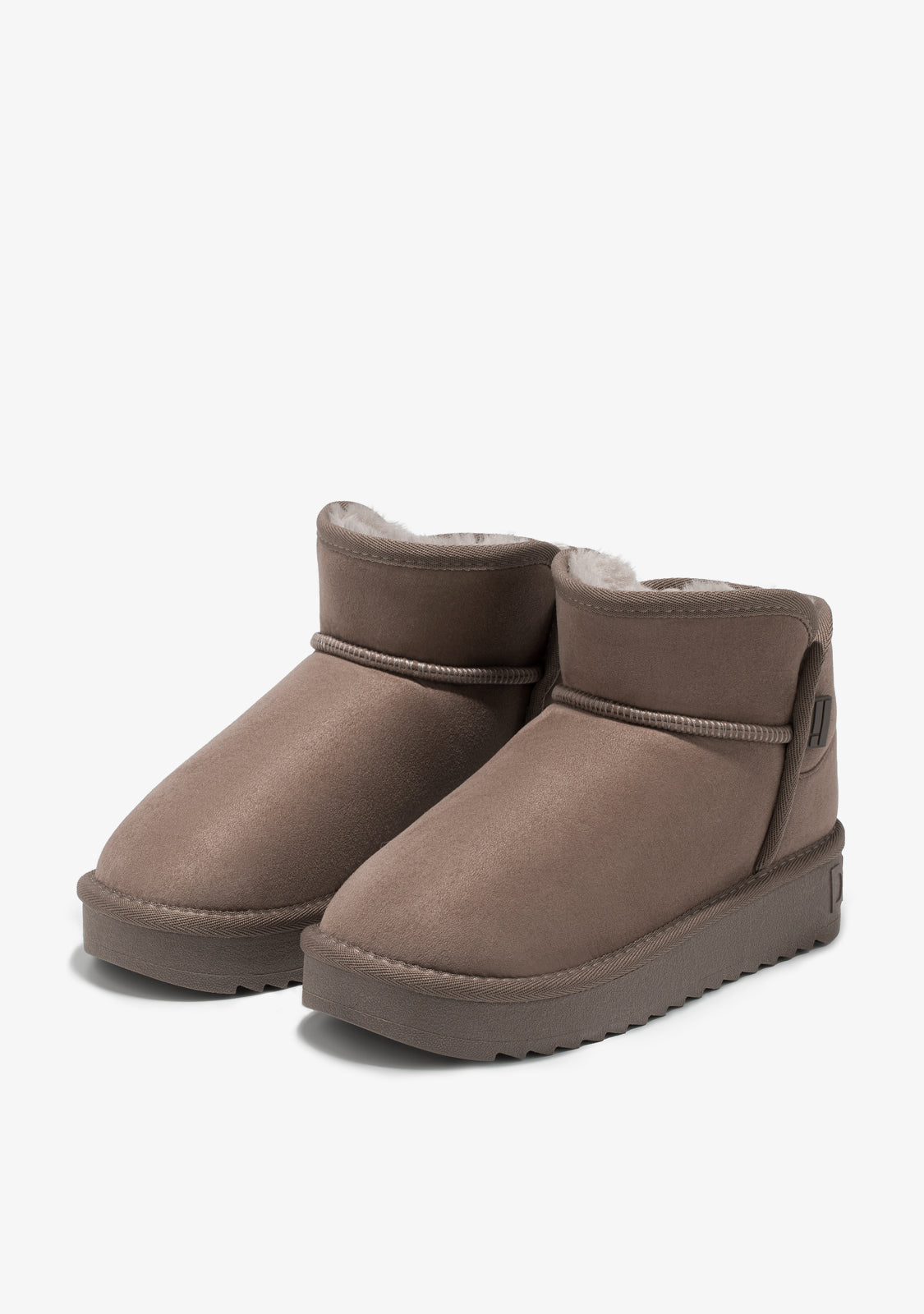
You may also like
Women's Flat Boots
Women's Flat Boots
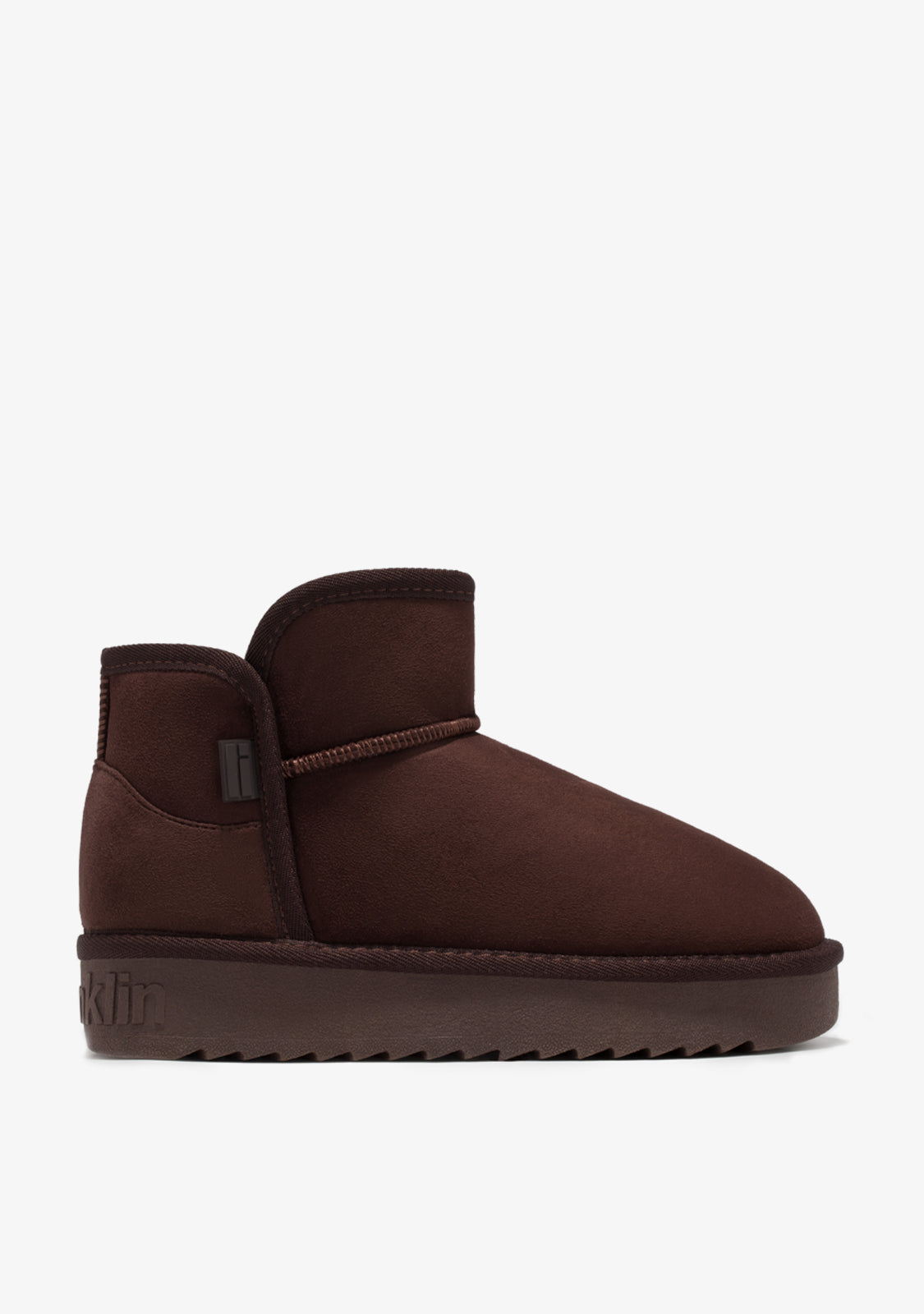
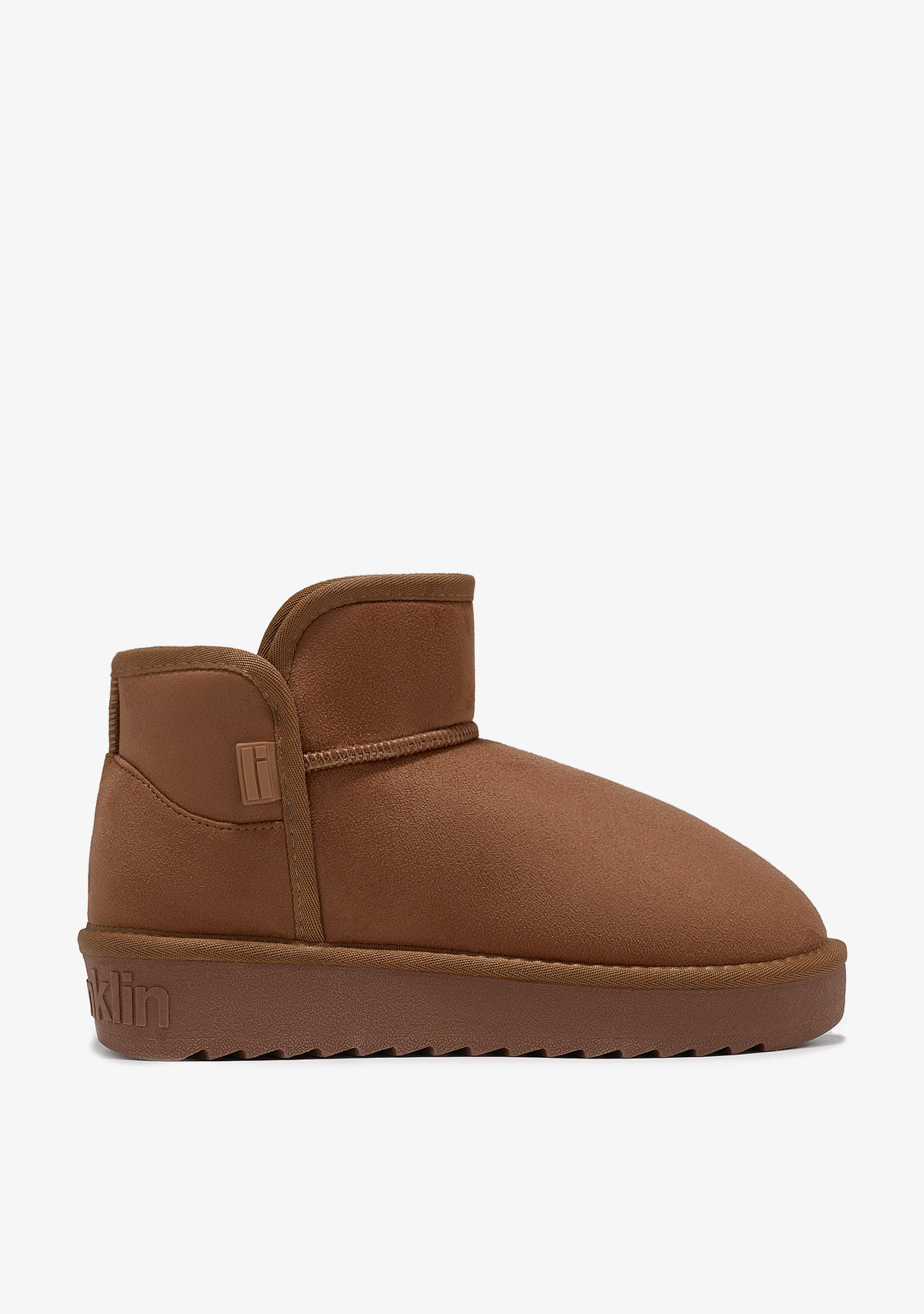
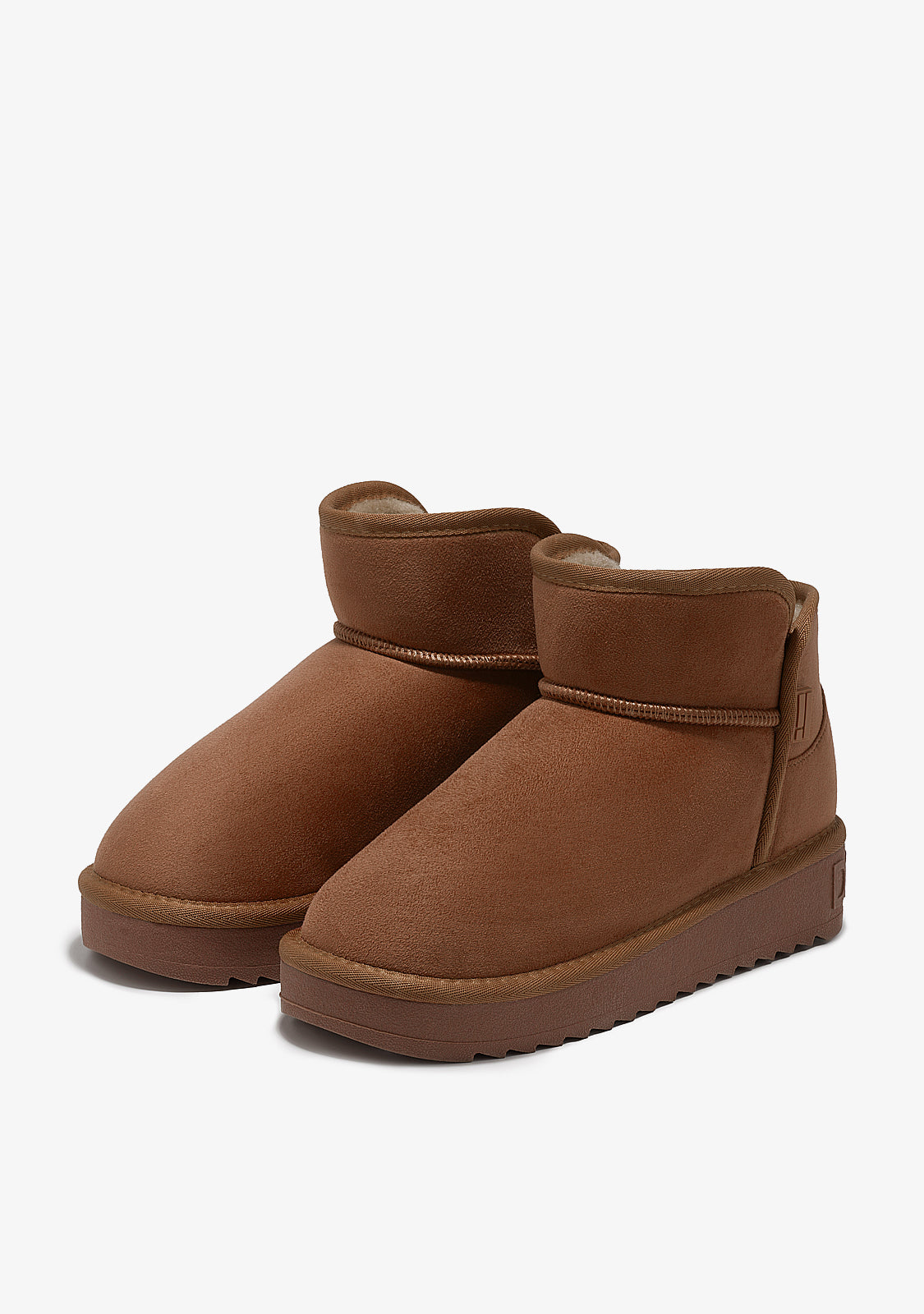
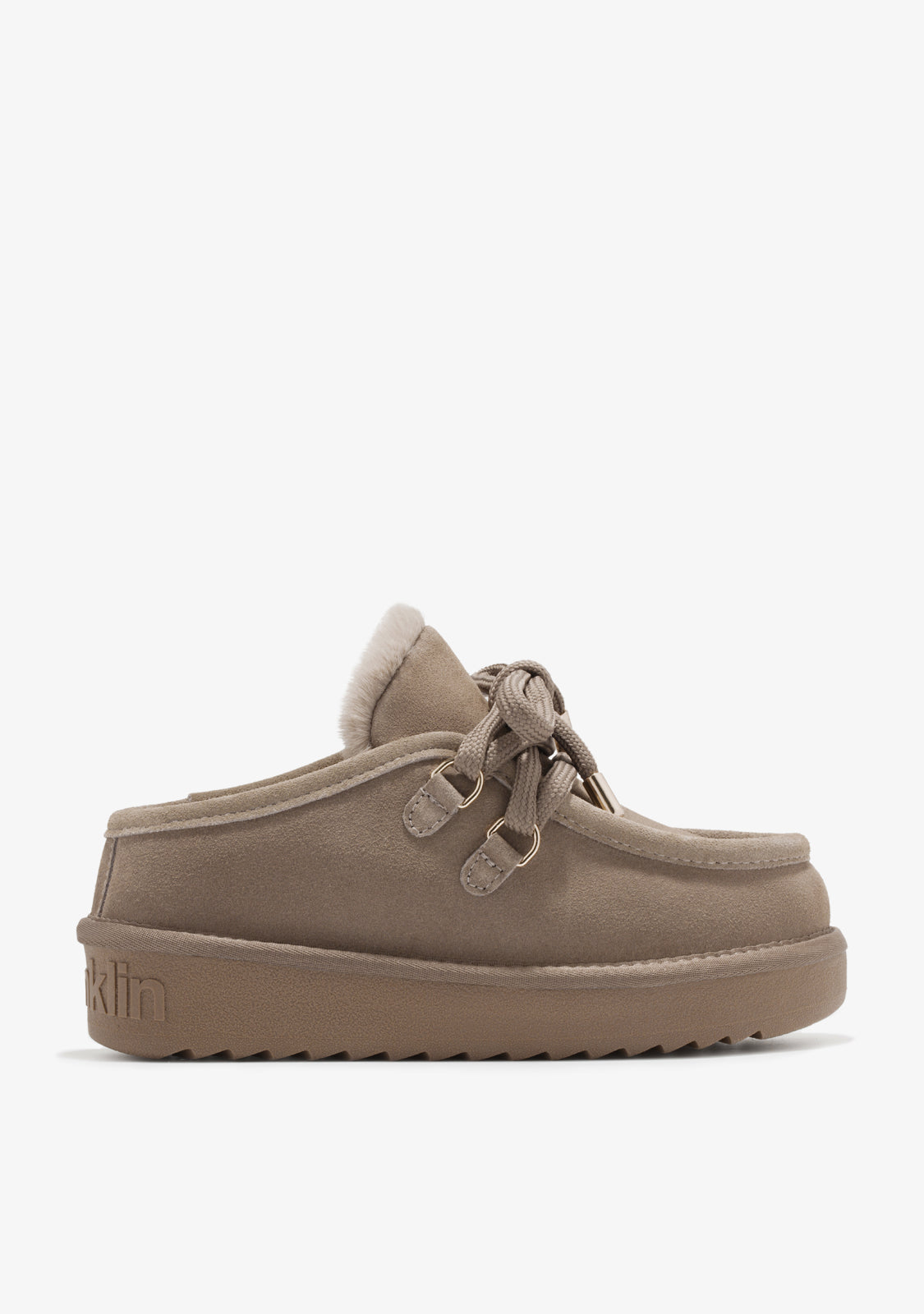
Find women's flat boots at D.Franklin. Compare shaft heights, materials and finishes to pair your chosen style with jeans, dresses and winter outfits.
Compare shaft height, upper material and fastening. Choose according to the socks and clothes you plan to wear, checking the individual model's specifications.

Read moreRead less
Choosing Your Style
When comparing flat boots, check the sole profile, shaft height and fastening. Flat does not necessarily mean zero drop; check the difference between heel and forefoot height if that is the construction you want.
When comparing flat boots, separate the absence of a pronounced heel from actual sole thickness. Look at the profile beneath both heel and toes, as well as flex during walking. A flat appearance does not automatically mean zero drop, low weight or a removable insole. For everyday use, also decide how much leg coverage you need and which socks you will wear.
Use and Outfit Ideas
For an outfit without a pronounced heel, compare the entire sole profile. A flat boot can still have thickness underfoot: flat does not mean zero drop.
Compare these related collections: Fur-Lined Ankle Boots · Leather Boots with Fur Lining · High Australian-Style Boots
Details to Compare
- Shaft height and room over the instep
- Upper material and lining composition
- Fastening and ease of dressing
- Sole thickness and model measurements
Fit and Care
Try the footwear with your usual socks and check toe room. Clean according to the material and dry away from radiators; only machine-wash if expressly permitted.
Frequently Asked Questions
Does a thinner sole make a boot more flexible?
Thickness alone cannot establish this. Material and construction also matter. During fitting, check how the boot moves with your stride and whether your foot stays secure; do not choose solely by the sole's side profile.
What should feel comfortable when I first try on boots?
Your toes should have space, your heel should stay supported and the instep should not feel pinched. Walk and bend your knees with your usual socks. Do not rely on a soft lining to compensate for pressure or on future stretching to fix a poor fit.
How do I check where a short boot rubs my ankle?
Walk and sit down during the fitting. Check where the top edge meets your ankle and whether a sock seam sits underneath it. Extra shoe length does not change the edge’s height; a different shaft shape may fit better.
Can I wear them in the rain?
Warm lining or a thick sole does not establish waterproofing. Look for that feature on the product page; without it, do not choose the style as dedicated rain footwear.
How can I combine boots with trousers or skirts?
With straight trousers, let the hem end above the shaft or fall over it without bunching. For skirts, compare the visible gap above the boot. Neutral colours connect with knitwear, while a textured finish can stand out against plain clothing.
How should I care for the lining and upper?
Remove dirt gently and use the specified method for each material. Air-dry away from direct heat before storing in a dry place.